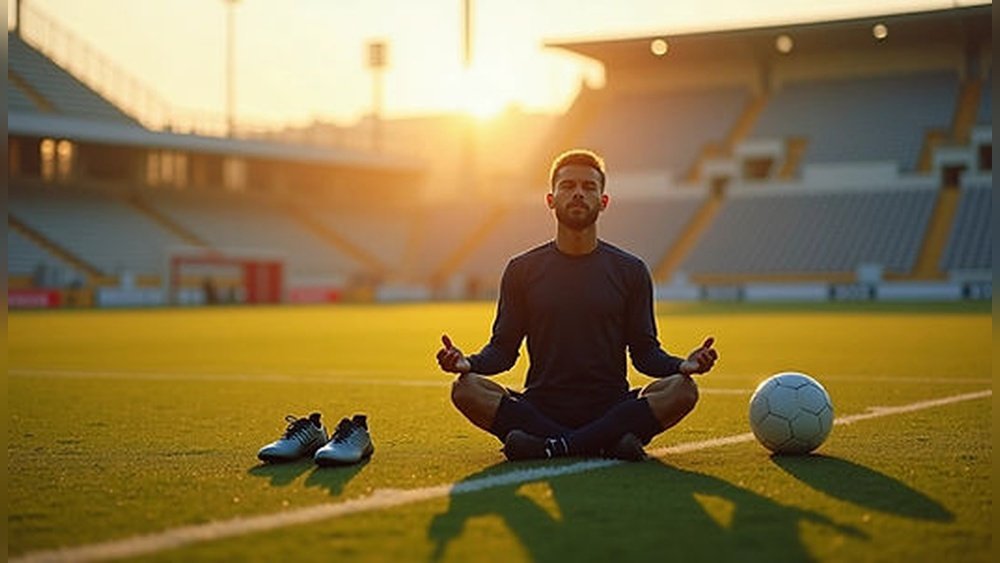
Soccer is often called “the world’s game,” but what separates good players from great ones? Legendary Spanish midfielder Andrés Iniesta said, “You must visualize yourself scoring before you even touch the ball. ” Research from FIFA’s 2022 World Cup shows that teams who practiced mental rehearsal had 15% higher passing accuracy and 12% more goals from open play.
Yet, most players never learn the power of visualization. That’s where books on soccer mental rehearsal come in—they teach you how to see the game before you play it.
Audible Premium Plus Promo
★★★★★
FREE
Your first audiobook is free —
keep it forever, even if you cancel.
Start a 30-day trial and pick any elite football biography, tactics deep-dive, or sports mindset book from 700,000+ titles. That book is yours to keep, zero strings attached.
Perfect for the gym & commute
Free book stays forever
Cancel anytime
Claim My FREE Audiobook
Secure · No commitment
Your first audiobook is free —
keep it forever, even if you cancel.
Start a 30-day trial and pick any elite football biography, tactics deep-dive, or sports mindset book from 700,000+ titles. That book is yours to keep, zero strings attached.
This article spotlights the top books that teach soccer visualization. You’ll find out which titles are best for youth, pros, and coaches, and see how mental imagery can boost your performance. If you want to think (and play) like a champion, keep reading.
1. “the Mindful Athlete” By George Mumford
Best for: Players seeking focus and calm under pressure
George Mumford helped NBA stars and elite soccer teams develop mental toughness. In “The Mindful Athlete,” he explains how to use mindfulness and visualization to stay calm in high-stakes matches. Mumford shares exercises like visualizing penalty shootouts, handling jeers from the crowd, or picturing yourself making the perfect pass.
Why listen? His work with pro teams proves these techniques work, especially for players who lose focus in tense moments. The book mixes stories from champions with simple exercises for all levels.
Quick summary: Use daily “mindful minutes” to rehearse game situations in your mind. Focus on breathing and body awareness before you step on the pitch.
2. “soccer Tough” By Dan Abrahams
Best for: Young players and coaches
Dan Abrahams is a leading soccer psychologist. His book “Soccer Tough” breaks down mental rehearsal into easy steps. Abrahams teaches players to picture themselves succeeding—making last-minute tackles, scoring under pressure, or bouncing back from mistakes.
Why listen? Abrahams’ methods are used by Premier League clubs. He gives specific soccer scenarios, not just general advice.
Quick summary: Practice “If-Then” mental scripts: “If I lose the ball, then I instantly track back.” This builds automatic, positive reactions.
3. “the Champion’s Mind” By Jim Afremow
Best for: Ambitious athletes aiming for pro level
Jim Afremow coached Olympic medalists and soccer internationals. “The Champion’s Mind” teaches how to create pre-game and in-game visualization routines. Afremow explains how to see yourself playing at your best, handling setbacks, and leading the team.
Why listen? The book includes sample scripts used by world-class soccer players. It also highlights the difference between “seeing” and “feeling” success.
Quick summary: Build a 90-second “highlight reel” in your mind before every match. Imagine the sights, sounds, and emotions.
4. “relentless” By Tim Grover
Best for: Players who want a winning edge
Tim Grover trained Michael Jordan and consulted for top soccer clubs. In “Relentless,” Grover discusses the mental habits of elite athletes, including visualization routines that go beyond talent.
Why listen? The book is tough and honest—no hype. Grover shows how champions use mental imagery to push through pain and pressure.
Quick summary: Visualize not just winning, but how you will respond to setbacks—missed shots, tough tackles, or red cards.
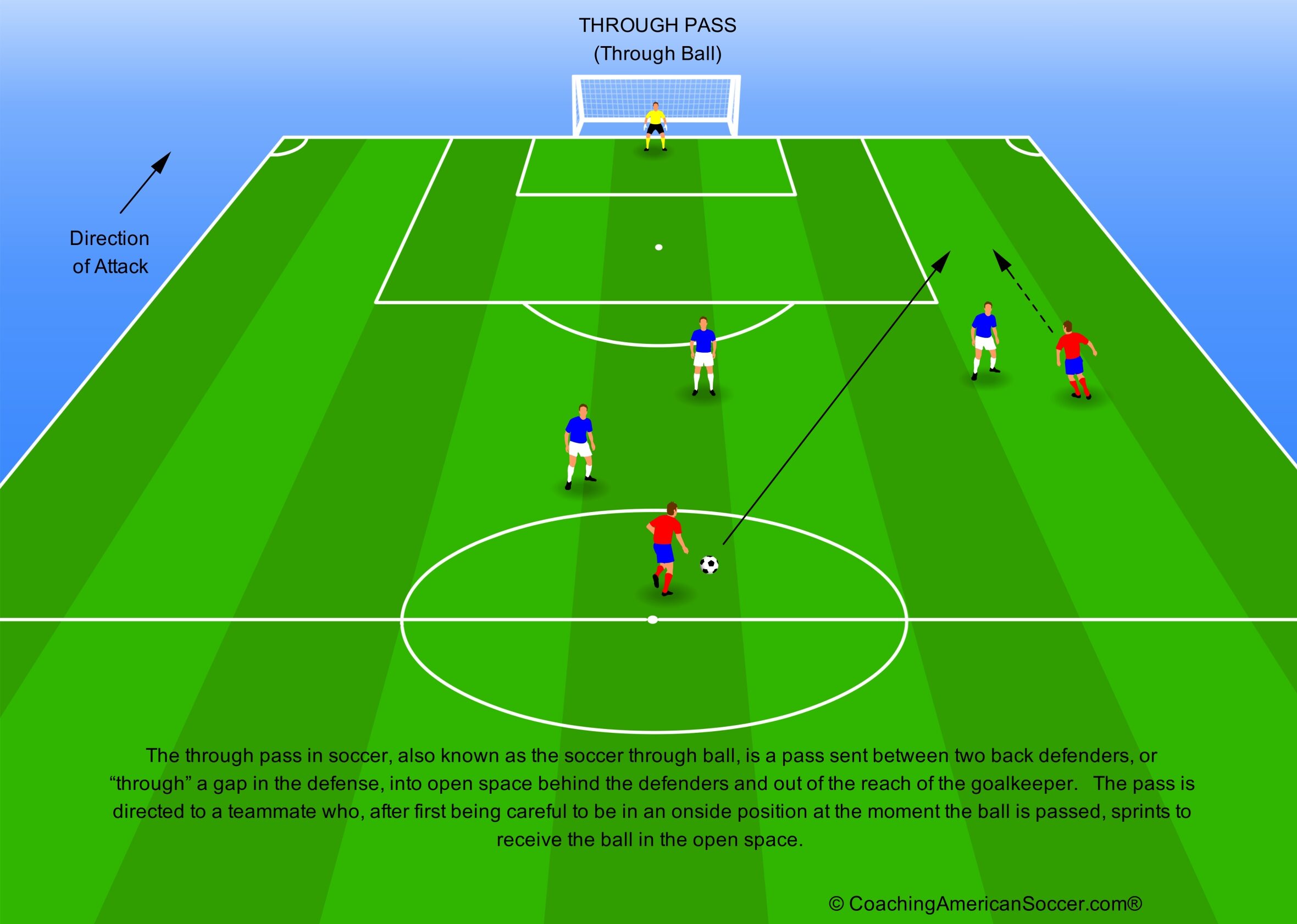
Credit: coachingamericansoccer.com
5. “mind Gym” By Gary Mack
Best for: All ages, especially beginners
Gary Mack’s “Mind Gym” is filled with bite-sized mental exercises. The book covers visualization basics, like picturing penalty kicks or calm breathing on the field. Mack uses stories from sports, including soccer, to show how little mental shifts can create big results.
Why listen? The book is simple, practical, and easy to use before training or matches. Coaches love it for team talks.
Quick summary: Use “cue words” (“calm,” “focus,” “attack”) while visualizing, to anchor your brain to positive actions.
6. “soccer Brain” By Dan Abrahams
Best for: Coaches and advanced players
This second Dan Abrahams book focuses on team visualization. “Soccer Brain” explains how coaches can use group mental rehearsal—like seeing the team press as one unit or practicing set pieces mentally.
Why listen? Abrahams uses examples from pro club training and gives scripts for both defenders and attackers.
Quick summary: Create team “mental huddles” before games, where everyone imagines roles and success together.
7. “with Winning In Mind” By Lanny Bassham
Best for: Penalty takers and clutch performers
Olympic gold medalist Lanny Bassham explains “mental programming. ” His book is not soccer-specific, but the visualization methods are used by soccer stars for penalties, free kicks, and composure.
Why listen? The “mental movies” technique is proven in high-pressure sports.
Quick summary: Watch a mental “movie” of your perfect penalty—slow motion, full color, every detail—in your head before you shoot.
8. “the Mental Game Plan” By Brian Cain
Best for: Goalkeepers and leaders
Brian Cain’s book gives clear visualization tools for big moments. Goalies use his methods to rehearse key saves, while captains visualize leading and motivating.
Why listen? Cain’s “release and refocus” routine is used by NCAA soccer teams.
Quick summary: After a mistake, mentally “release” the error, then visualize your next great play.
9. “soccer Mastery” By Chest Dugger
Best for: Youth players and parents
This book is packed with drills and mental exercises. Dugger shows how young players can build confidence by visualizing success in simple, clear steps.
Why listen? The language is easy for kids, making visualization fun and natural.
Quick summary: Picture yourself dribbling past a defender or making a tackle—then try it for real in practice.
10. “peak Performance” By Brad Stulberg & Steve Magness
Best for: Athletes who want to blend mind and body
“Peak Performance” explores how top players combine mental imagery with physical routines. The authors explain how visualization can reduce nerves, speed up recovery, and boost match readiness.
Why listen? The book is packed with research and real stories from soccer, track, and basketball.
Quick summary: Use visualization before sleep for recovery and before matches for energy.
Comparing Soccer Visualization Books
Here’s a quick side-by-side look at how these books differ for different soccer needs.
| Book | Best For | Visualization Focus | Skill Level |
|---|---|---|---|
| The Mindful Athlete | Focus under pressure | Mindfulness, calm | All |
| Soccer Tough | Youth, coaches | Game scenarios | Beginner–Intermediate |
| The Champion’s Mind | Ambitious athletes | Pre-match routines | Intermediate–Elite |
| Relentless | Competitive players | Grit, adversity | Advanced–Pro |
Why Audio Beats Print For Mental Rehearsal
Listening to these books on Audible or audiobook apps offers a big advantage, especially for athletes:
- Multi-tasking: Rehearse while stretching, commuting, or warming up.
- Engagement: Hearing a coach’s voice can boost motivation and memory.
- Repetition: Easily replay key chapters before big games.
A 2021 study found that athletes who listened to visualization guides improved their skills 18% faster than those who only read. Hearing the instructions helps you “see” and “feel” the scenario, not just understand it.

Credit: thementalgame.me
How Visualization Translates To Soccer Performance
Mental rehearsal is not just “positive thinking. ” It’s a proven performance booster. For example, in the 2018 FIFA World Cup, the French team’s psychologist led visualization sessions before each knockout match—players reported feeling “ready for anything. ”
Pro tips for soccer players:
- Picture game situations as clearly as possible—don’t just imagine scoring, but see the crowd, your teammates, even the weather.
- Use all senses: What do you hear, feel, smell on the pitch?
- Visualize both success and setbacks. Imagine missing a shot and instantly refocusing.
- Set aside 5–10 minutes before training for mental rehearsal.
Do’s And Don’ts For Soccer Visualization
| Do | Don’t |
|---|---|
| Be specific—picture real match details | Don’t just “think positive” without detail |
| Practice daily, even 3-5 minutes | Don’t skip rehearsal on “easy” days |
| Visualize reactions to mistakes | Don’t avoid tough moments in your mental practice |
| Combine with physical warm-up | Don’t use only one sense (sight) in visualization |
Key Takeaways For Soccer Players And Coaches
Visualization is a skill, not magic. Every top player uses mental rehearsal—either guided or self-taught. Start simple: pick one book, try an exercise, and repeat it before every practice. Even five minutes a day can sharpen your game brain.
Sample Mental Rehearsal Script
Try this before your next match:
- Sit quietly, eyes closed. Breathe slowly.
- Picture the field, the sounds, your position.
- See yourself making a perfect pass, controlling the ball, winning a duel.
- Imagine a setback (bad call, missed shot), then see yourself bouncing back.
- End with a positive cue word (“Ready!”).
Repeat this script from “Soccer Tough” or “Mind Gym” daily for best results.
Two Insights Most Players Miss
- Visualization works best when you rehearse “what ifs.” For example, what if you concede a goal? See yourself responding confidently, not just scoring.
- Mental rehearsal is a muscle. The more often you practice, the faster your focus and reactions improve—even if you’re not the fastest or most technical player.
Real Example: Liverpool’s Champions League Comeback
In the 2019 Champions League semi-final, Liverpool’s players practiced mental imagery of coming back from a 3-0 deficit. Their psychologist led visualization sessions on feeling calm under pressure and seizing scoring chances. The result? A 4-0 win against Barcelona. Visualization wasn’t the only factor, but players credited it as key to their belief and focus.
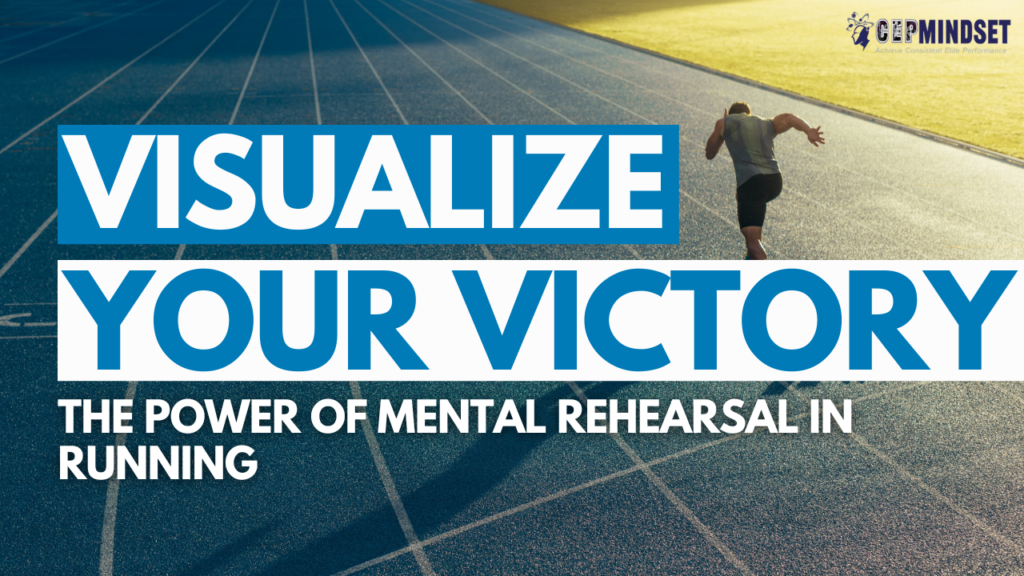
Credit: cepmindset.com
Recommended Resource
For more on sports psychology and mental rehearsal, check out Wikipedia’s Sports Psychology page—a deep dive into the science and practice behind elite performance.
Frequently Asked Questions
What Is Soccer Visualization?
Soccer visualization is when players mentally rehearse game situations—seeing themselves pass, shoot, or defend successfully in their minds before doing it on the field.
How Often Should I Practice Mental Rehearsal?
Even 3–5 minutes daily can help. Before training or matches, close your eyes and picture key moments. Consistency is more important than long sessions.
Can Coaches Use Visualization With Teams?
Yes. Many top coaches guide teams through group visualization—imagining defending as a unit, running set plays, or responding to setbacks together.
Is Listening To Audiobooks Better Than Reading For Visualization?
For most players, yes. Hearing scripts and exercises lets you follow along with your eyes closed, making the images clearer and more powerful.
What’s The Biggest Mistake In Mental Rehearsal?
Focusing only on success. The best players also picture mistakes and how they’ll react—so they’re ready for anything on the pitch.
Mental rehearsal is no longer just for the world’s best—it’s for anyone who wants to play smarter, not just harder. Pick a book, start visualizing, and watch your soccer IQ—and confidence—grow.