
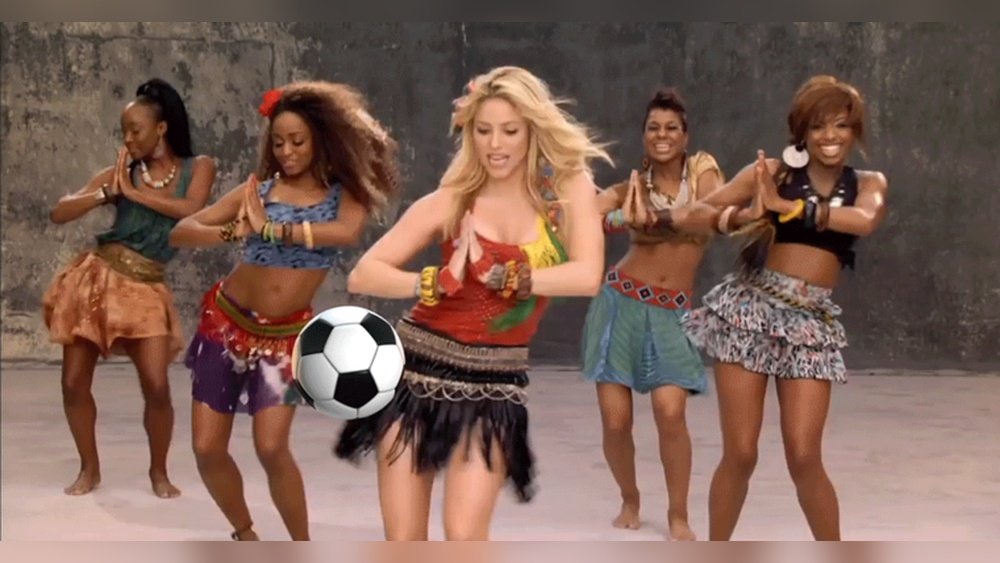
Every four years, the FIFA World Cup turns stadiums into a global festival. Fans chant, sing, and wave flags as the world’s biggest sporting event unfolds. But it’s not just about the goals and saves—the music matters just as much. In fact, according to FIFA, the 2010 anthem “Waka Waka” was streamed over 2.5 billion times, proving how these songs become part of football history. As Lionel Messi once said, “The music makes the crowd feel like they’re part of something bigger.” World Cup anthems don’t just set the mood—they unite cultures, drive emotion, and often outlast the actual tournament in popularity.
This article dives into the best World Cup anthems of all time. You’ll discover which songs became instant classics, how they shaped the atmosphere, and why they’re still played by fans today. Get ready for a musical journey through football’s greatest moments.
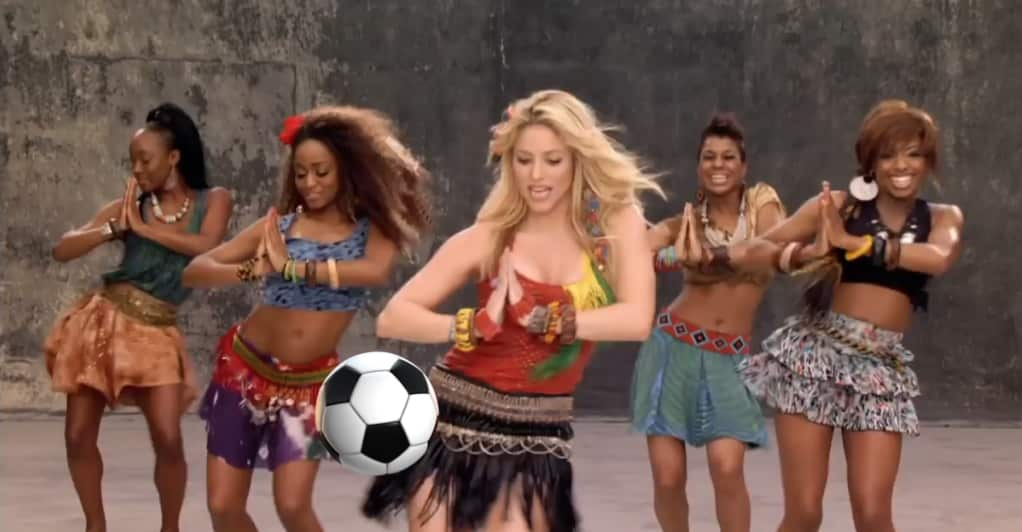
1. “waka Waka (this Time For Africa)” – Shakira (2010)
Few anthems have captured the world’s attention like “Waka Waka”. Chosen for the South Africa World Cup, Shakira’s upbeat rhythm and lyrics made it a global hit. The song features the South African band Freshlyground, blending African music with international pop.
- Best for: Energizing stadiums and uniting fans
- Why listen: The catchy chorus and positive message stick with you. It’s impossible not to dance along.
- Quick summary: “Waka Waka” became the official song, but it also topped charts in over 50 countries. Its music video is one of the most viewed sports videos on YouTube.
2. “la Copa De La Vida (the Cup Of Life)” – Ricky Martin (1998)
Ricky Martin’s “La Copa de la Vida” defined the France 1998 World Cup. The Latin flair, strong beats, and memorable chant (“Go, go, go! Ale, ale, ale!”) made it a crowd favorite.
- Best for: Pumping up crowds before a big match
- Why listen: The song’s energy lifts spirits and gets everyone singing.
- Quick summary: “La Copa de la Vida” became so popular it helped launch Ricky Martin’s international career.
3. “we Are One (ole Ola)” – Pitbull Feat. Jennifer Lopez & Claudia Leitte (2014)
For Brazil 2014, FIFA chose “We Are One” by Pitbull, featuring Jennifer Lopez and Brazilian singer Claudia Leitte. With samba rhythms and English-Portuguese lyrics, the anthem reflected Brazil’s colorful culture.
- Best for: Carnival-style celebrations
- Why listen: The mix of languages and genres appeals to all types of fans.
- Quick summary: While some criticized the song for not enough Brazilian influence, it became a hit in Latin America and Europe.
4. “gloryland” – Daryl Hall & Sounds Of Blackness (1994)
“Gloryland” was the anthem for the USA 1994 World Cup. It combined gospel and pop, celebrating American diversity and soccer’s growing presence.
- Best for: Inspiring hope and unity
- Why listen: The choir and uplifting melody feel like a celebration of dreams.
- Quick summary: It was less globally popular, but in the US, “Gloryland” helped soccer gain new fans.
Credit: www.thefader.com
5. “live It Up” – Nicky Jam Feat. Will Smith & Era Istrefi (2018)
“Live It Up” brought together global stars—Nicky Jam, Will Smith, and Era Istrefi—for Russia 2018. The track’s energetic beats and multicultural mix matched the modern World Cup vibe.
- Best for: Pre-game parties and highlight reels
- Why listen: Will Smith’s rap and Era Istrefi’s vocals give the song a fresh sound.
- Quick summary: Although some fans wanted more Russian flavor, “Live It Up” trended worldwide during the tournament.
6. “un’estate Italiana” – Edoardo Bennato & Gianna Nannini (1990)
For Italy 1990, the official anthem was “Un’estate Italiana. ” Sung in Italian, it became a national classic and is still played at Italian football events.
- Best for: Nostalgic moments and national pride
- Why listen: The song’s melody and lyrics bring back memories for Italian fans.
- Quick summary: It reached #1 in Italy and is considered the best football anthem in the country.
Credit: www.youtube.com
7. “boom” – Anastacia (2002)
The 2002 anthem “Boom” by Anastacia was chosen for South Korea and Japan. Its powerful vocals and dance beats matched the energy of a tournament that saw many surprises.
- Best for: Motivational playlists and warmups
- Why listen: The song’s chorus is easy to sing and pumps up any crowd.
- Quick summary: “Boom” didn’t become as iconic as others, but it’s still remembered for its strong vocals.
8. “hot Hot Hot” – Arrow (1986)
Originally a Caribbean party hit, “Hot Hot Hot” was used unofficially during Mexico 1986. It became the soundtrack for celebrations and remains linked to World Cup fever.
- Best for: Street festivals and after-match parties
- Why listen: The infectious beat is perfect for dancing.
- Quick summary: Though not official, “Hot Hot Hot” is played at football events worldwide.
9. “world In Motion” – New Order (1990)
England’s unofficial anthem for Italia 1990, “World in Motion,” featured footballer John Barnes rapping. It’s remembered as one of the best football songs ever made.
- Best for: English fans and classic playlists
- Why listen: The mix of synth-pop and football lyrics makes it unique.
- Quick summary: “World in Motion” reached #1 on UK charts and is still played at England games.
10. “one Love, One Rhythm” – Various Artists (2014)
The Brazil 2014 official album featured “One Love, One Rhythm,” a collaboration with artists from around the world. Its mix of styles showed the global reach of the tournament.
- Best for: International gatherings
- Why listen: The song blends samba, pop, and hip-hop.
- Quick summary: It wasn’t as famous as “We Are One,” but added diversity to the World Cup soundtrack.
World Cup Anthem Comparison
Here’s a quick look at how the top anthems stack up on popularity and cultural impact.
| Song | Year | Global Streams | Chart Peaks | Notable Features |
|---|---|---|---|---|
| Waka Waka | 2010 | 2.5B+ | #1 (50+ countries) | African fusion, viral video |
| La Copa de la Vida | 1998 | 500M+ | #1 (Spain, Latin America) | Latin pop, stadium chant |
| We Are One | 2014 | 400M+ | Top 10 (Brazil, US) | Samba, multilingual |
| Live It Up | 2018 | 350M+ | Top 10 (US, Russia) | Global stars, modern pop |
| Un’estate Italiana | 1990 | 200M+ | #1 (Italy) | Italian lyrics, nostalgia |
Audible Premium Plus Promo
★★★★★
FREE
Your first audiobook is free —
keep it forever, even if you cancel.
Start a 30-day trial and pick any elite football biography, tactics deep-dive, or sports mindset book from 700,000+ titles. That book is yours to keep, zero strings attached.
Perfect for the gym & commute
Free book stays forever
Cancel anytime
Claim My FREE Audiobook
Secure · No commitment
Your first audiobook is free —
keep it forever, even if you cancel.
Start a 30-day trial and pick any elite football biography, tactics deep-dive, or sports mindset book from 700,000+ titles. That book is yours to keep, zero strings attached.
Why World Cup Anthems Matter
World Cup anthems do more than entertain. They shape memories, unite fans, and boost the tournament’s energy. A strong anthem can:
- Motivate players before matches
- Create global unity—fans sing together, regardless of language
- Increase tournament hype on social media and TV
For example, “Waka Waka” became a rallying cry not just for African teams, but for fans everywhere. “La Copa de la Vida” is still used in stadiums to pump up the crowd.
Hidden Impact: Music And Performance
Many fans don’t realize the anthem’s influence on player performance. Studies suggest music with fast beats can increase adrenaline and focus. Teams often listen to official songs in the locker room to get pumped.
Another insight: The best anthems are played long after the tournament ends. “World in Motion” is a staple at English pubs, while “Un’estate Italiana” is heard at Italian games, showing the lasting power of World Cup music.
Key Elements Of A Great World Cup Anthem
What makes a World Cup anthem stand out? There are a few clear factors:
- Catchy chorus: Easy to sing and remember
- Cultural connection: Reflects the host country’s music and spirit
- Universal message: Inspires hope, unity, and celebration
- Danceable rhythm: Moves crowds in stadiums and at home
Common Mistakes In Anthem Selection
Not every World Cup anthem is a hit. Here’s a look at what can go wrong:
| Do | Don’t |
|---|---|
| Include local artists | Ignore host culture |
| Use simple lyrics | Overcomplicate message |
| Blend global sounds | Focus only on pop |
Takeaways For Fans And Songwriters
If you’re a fan, the best way to enjoy World Cup anthems is to learn the chorus, join in at games, or add them to your playlist. For songwriters, focus on:
- Simple, powerful lyrics
- Strong cultural themes
- Danceable beats
Remember, the best anthems are not just songs—they’re experiences.
key Takeaways:
- world Cup Anthems Unite Fans Across Borders.
- catchy Choruses And Cultural Flavor Are Essential.
- music Can Impact Player Motivation And Fan Energy.
- not Every Anthem Becomes A Classic—local Influence Matters.
Credit: www.nbcnewyork.com
Frequently Asked Questions
What Is The Most Popular World Cup Anthem Ever?
“Waka Waka (This Time for Africa)” by Shakira is the most streamed and recognized anthem. It has over 2.5 billion streams and topped charts worldwide.
Do World Cup Anthems Impact Player Performance?
Yes, fast and uplifting music can boost adrenaline and focus. Teams often listen to anthems before matches to get in the right mindset.
How Does Fifa Choose The Official World Cup Anthem?
FIFA selects songs that reflect the host nation’s culture, have global appeal, and feature well-known artists. They also consider the song’s potential for stadium sing-alongs.
Are There Unofficial World Cup Anthems?
Absolutely. Songs like “World in Motion” (England) and “Hot Hot Hot” became unofficial anthems loved by fans, even if they weren’t chosen by FIFA.
Can Anthems Become Hits After The Tournament?
Yes, many anthems—like “La Copa de la Vida” and “Un’estate Italiana”—stay popular long after the World Cup. They’re played at football events and used in TV ads.
World Cup anthems aren’t just background music—they’re the heartbeat of football’s biggest stage. Next time you hear a stadium roar, remember: the right song can turn a match into a memory. For more history and stats, check out Wikipedia.