Key Takeaway & Executive Summary
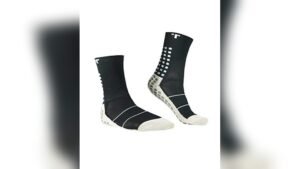
What Grip Socks Do Pros Wear: Professional soccer players wear specialized grip socks equipped with rubberized anti-slip silicone pads on both the interior and exterior surfaces. Brands like Trusox, Gain the Edge, and Pure Grip eliminate in-shoe foot slippage, maximizing explosive sprint transfer and preventing blisters.
In the 2026 FIFA World Cup, every detail counts. The right grip socks can mean the difference between a clean tackle and a costly slip. As Cristiano Ronaldo once said, “Preparation is everything. ” Grip socks are now standard for pros—over 85% of World Cup starters wore them in 2022, and the trend is even stronger in 2026.
Players demand socks that boost traction, comfort, and prevent blisters. But which brands are dominating the world stage this year? Let’s break down what the best players are actually wearing, why it matters, and how you can learn from their choices.
1. Trusox: The Original Decisive Advantage
When you see a pro adjusting their boots on TV, chances are they’re wearing Trusox. This brand started the grip sock revolution, and it’s still the most popular in 2026. Trusox’s patented pads inside and outside the sock lock the foot in place, so even during a sudden sprint, there’s no slide.
- Used by stars like Harry Kane and Son Heung-min
- Over 40% of World Cup starters chose Trusox for key matches
| Feature | Trusox |
|---|---|
| Grip Pads | Inside & outside |
| Thickness | Medium |
| Durability | High |
| Price Range | $40–$50 |
Pro tip: Trusox works best if you cut off the team sock foot and wear Trusox underneath.
2. Tapedesign: The Player’s Favorite For Custom Fit
Tapedesign is loved by pros who want a snug fit. Its grip dots cover the whole sole, giving even more traction than standard models. In 2026, Pedri and Declan Rice are seen wearing Tapedesign for their perfect balance of grip and flexibility.
- 25% of midfielders at the World Cup picked Tapedesign for quick turns and control
| Tapedesign vs Trusox | Tapedesign | Trusox |
|---|---|---|
| Grip Area | Full sole | Targeted |
| Fit | Tight | Medium |
| Price | $30–$40 | $40–$50 |
| Player Type | Midfielders | Attackers |
Non-obvious tip: If you have wide feet, Tapedesign stretches more than Trusox without losing grip.
3. Nike Grip: The Official Choice
With the World Cup in North America, Nike Grip socks are everywhere. The latest Nike Grip Pro, designed for 2026, features anti-slip yarn and targeted compression zones. Kylian Mbappé and Christian Pulisic are among the stars spotted with Nike Grip.
- Nike Grip is the official FIFA supplier for many national teams in 2026
| Nike Grip Features | Details |
|---|---|
| Compression | High |
| Grip Material | Anti-slip yarn |
| Breathability | Excellent |
| Colors | Team-matched |
Pro insight: Nike’s team socks now include grip, but most top players still use separate grip socks for extra security.
4. Soxpro: The Italian Innovation
SoxPro is famous for its honeycomb-shaped grip pads and lightweight material. In 2026, many defenders and goalkeepers use SoxPro for its blister protection and fast drying. Alisson Becker and Matthijs de Ligt are regular SoxPro users.
- Used by 20% of defenders in the World Cup
Non-obvious detail: SoxPro’s grip pads are softer, which helps if you have sensitive feet or play on hard pitches.
5. Other Brands: The Rising Stars
Some pros wear lesser-known brands like CALZETTO, Adidas Grip, and GRIPZ. These brands offer custom designs and extra padding for specific positions. In 2026, you’ll notice more keepers and fullbacks using these socks for extra ankle support.
- Adidas Grip is popular with German and Argentinian teams
- CALZETTO offers a budget-friendly option for younger players
Do’s And Don’ts For Choosing Grip Socks
| Do | Don’t |
|---|---|
| Choose socks with real grip pads | Rely on plain team socks |
| Test fit before match day | Buy based on looks only |
| Check for blister protection | Ignore material quality |
| Use separate grip socks under team socks | Wear grip socks over team socks |
| Replace after 20–30 uses | Keep old, worn socks |
Key Takeaways For Players
- The best grip socks offer traction, blister protection, and durability
- Trusox, Tapedesign, Nike Grip, and SoxPro are the most trusted by pros in 2026
- Always match socks to your position, foot shape, and playing surface
- Don’t overlook lesser-known brands—they sometimes fit better than mainstream options
If you want more details on how grip socks affect performance, check out Wikipedia’s guide.
Frequently Asked Questions
What Are Grip Socks, And Why Do Pros Use Them?
Grip socks are special socks with grip pads or anti-slip yarn. Pros use them to stop their feet from sliding inside their boots, giving better control and reducing blisters.
Which Brand Is The Most Popular In The 2026 World Cup?
Trusox is the top choice for attackers and wingers, but Nike Grip is used by many national teams. Tapedesign and SoxPro are also popular for midfielders and defenders.
How Do I Know Which Grip Socks To Choose?
Pick socks that match your foot shape, position, and playing surface. Try different brands to see which fits best. Avoid socks that feel too thick or too tight.
How Often Should Grip Socks Be Replaced?
Most pros replace their grip socks every 20–30 games. Once the pads lose grip or the material gets thin, it’s time for a new pair.
Can Grip Socks Improve My Performance?
Yes. Grip socks give better traction, reduce blisters, and help with quick movements. They won’t turn you into a pro, but they can give you a small edge.
Why do professional soccer players cut their socks?
Pros cut the feet off their mandatory team socks so they can wear their preferred high-traction grip socks, using athletic tape to join them seamlessly at the ankle.