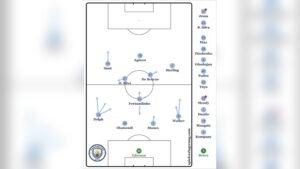
Aspiring football coaches and tactical analysts crave sharp knowledge. Whether you’re plotting your first training session or breaking down Champions League tactics, the right books can transform your understanding. But where should you start? Pep Guardiola’s teams averaged 68% possession in the 2018–19 Premier League, a stat that shows how deep tactical mastery shapes results. As Sir Alex Ferguson once said, “Football is about decision-making.” If you want to shape the game, you must first master its secrets.
Audible Premium Plus Promo
★★★★★
FREE
Your first audiobook is free —
keep it forever, even if you cancel.
Start a 30-day trial and pick any elite football biography, tactics deep-dive, or sports mindset book from 700,000+ titles. That book is yours to keep, zero strings attached.
Perfect for the gym & commute
Free book stays forever
Cancel anytime
Claim My FREE Audiobook
Secure · No commitment
Your first audiobook is free —
keep it forever, even if you cancel.
Start a 30-day trial and pick any elite football biography, tactics deep-dive, or sports mindset book from 700,000+ titles. That book is yours to keep, zero strings attached.
This guide spotlights the best books for aspiring football coaches and tactical analysts. Every recommendation is based on real football insight, clear takeaways, and practical value. You’ll find classic tactical manuals, modern coaching science, and unique perspectives from world-class managers. Ready to sharpen your pitch IQ? Let’s dive into the books every serious coach and analyst should read.
1. “inverting The Pyramid” By Jonathan Wilson
Best for: Understanding football’s tactical evolution.
Why listen/read: Jonathan Wilson’s masterpiece tracks the history of formations—from the early 2-3-5 to today’s pressing systems. It’s packed with vivid examples, like how the Dutch “Total Football” changed the world, and why Brazilian teams used a 4-2-4. Coaches learn how tactical ideas spread, adapt, and influence modern strategy.
Quick summary: Each chapter covers a new tactical era, with stories from legendary managers. You’ll see why tactics matter for every position and how smart coaches adapt their plans to win.
Key takeaway: Tactical history gives you context. To coach well, you must know where today’s tactics come from.
2. “the Mixer” By Michael Cox
Best for: Premier League tactical trends.
Why listen/read: Michael Cox explains how English football evolved after the Premier League began in 1992. From the rise of foreign managers to the spread of zonal marking, Cox uses real match data and player stories (like how Roy Keane changed midfield battles).
Quick summary: The book breaks down key tactical shifts: the arrival of Arsène Wenger, the influence of Pep Guardiola, and why pressing became the norm.
Key takeaway: Premier League coaches must adapt to fast-changing tactical trends. Understanding these shifts helps you plan smarter sessions.
3. “pep Confidential” By Martí Perarnau
Best for: Inside access to elite coaching.
Why listen/read: This book follows Pep Guardiola during his first year at Bayern Munich. Perarnau had rare access to Pep’s meetings, training sessions, and tactical notes. Coaches get a behind-the-scenes look at how one of the best prepares his team.
Quick summary: You’ll see how Pep designs his training, motivates players, and tweaks tactics. The book explains why Pep’s teams dominate possession and how he builds “positional play.”
Key takeaway: Elite coaching means constant adjustment. Pep’s methods show the value of detailed planning and flexible tactics.
4. “soccer Science” By Mark Smith
Best for: Applying sports science to coaching.
Why listen/read: “Soccer Science” covers physical training, psychology, and tactical analysis. It uses real research—like how sprint speed impacts pressing, or why sleep affects decision-making.
Quick summary: Each chapter explains how coaches can use science to boost performance. Topics include nutrition, injury prevention, and data-driven tactics.
Key takeaway: Smart coaches use science. Understanding fitness, data, and psychology is essential for modern football.

Credit: www.thefootballcoach.net
5. “coaching Soccer Tactics” By Phil Roscoe
Best for: Practical session design.
Why listen/read: Roscoe breaks down tactical concepts into drills and exercises. The book includes diagrams, session plans, and step-by-step instructions for teaching pressing, defending, and transitions.
Quick summary: You’ll find drills for all age groups, plus advice on adapting sessions for different skill levels.
Key takeaway: Practical drills turn tactical ideas into action. Coaches need clear methods to teach their plans.
6. “zonal Marking” By Michael Cox
Best for: European tactical differences.
Why listen/read: Cox explores how tactics changed across Europe—Italy’s focus on defense, Spain’s possession, Germany’s pressing. He uses real examples (like how Jürgen Klopp’s “gegenpressing” reshaped German football).
Quick summary: The book explains why different countries have unique tactical styles and how these styles mix in today’s global game.
Key takeaway: Coaches must understand tactical diversity. Studying other countries’ styles builds flexibility.
7. “the Coaching Manual” By Roger Spry
Best for: Building a coaching foundation.
Why listen/read: Spry’s manual covers everything from session planning to player development. It’s packed with practical advice, diagrams, and clear explanations.
Quick summary: Chapters include technical drills, tactical exercises, and tips for motivating players.
Key takeaway: Every coach needs a strong foundation. This manual helps you build skills, confidence, and clear sessions.
8. “soccer Analytics” By Christopher Carling
Best for: Using data in football.
Why listen/read: Data is changing football. Carling explains how coaches and analysts use statistics to scout, plan, and improve performance. You’ll see how numbers like “expected goals” and pass maps help teams win.
Quick summary: The book covers key analytics tools, common mistakes, and real success stories.
Key takeaway: Data isn’t just for analysts. Coaches must learn to use numbers to make better decisions.

Credit: www.amazon.com
9. “tactical Periodization: A Proven Successful Training Model” By Xavier Tamarit
Best for: Advanced tactical planning.
Why listen/read: Tamarit details the famous “tactical periodization” approach, used by José Mourinho. The method connects tactical goals to training sessions, so every drill fits the team’s game plan.
Quick summary: You’ll learn how to structure sessions, manage workloads, and build tactical understanding step by step.
Key takeaway: Every session should serve a purpose. Tactical periodization links drills to real match tactics.
10. “soccer Strategies: Defensive And Attacking Tactics” By Robyn Jones
Best for: Specific tactical solutions.
Why listen/read: Jones’ book covers both defending and attacking systems. It uses clear diagrams and detailed breakdowns, showing how to organize your team and solve tactical problems.
Quick summary: Chapters cover formations, pressing, overloads, and counter-attacks.
Key takeaway: Coaches must know both sides of the game. Strong defense and sharp attack are built from clear tactics.
Comparison Table: Coaching Books And Their Strengths
Here’s a quick guide to what each book offers:
| Book Title | Best For | Core Focus | Audio Version? |
|---|---|---|---|
| Inverting the Pyramid | Tactical history | Evolution of formations | Yes |
| The Mixer | Premier League tactics | Modern trends | Yes |
| Pep Confidential | Elite coaching | Behind-the-scenes | Yes |
| Soccer Science | Sports science | Fitness & psychology | No |
| Coaching Soccer Tactics | Session design | Practical drills | No |
| Zonal Marking | European tactics | Country styles | Yes |
| The Coaching Manual | Foundational coaching | Session planning | No |
| Soccer Analytics | Football data | Stat analysis | No |
| Tactical Periodization | Advanced planning | Training structure | No |
| Soccer Strategies | Defensive & attacking | System breakdowns | No |
Elite Insights: What Coaches And Analysts Learn
Coaches and tactical analysts gain much more than just tactics from these books. Here are three critical lessons:
- Adaptability: Modern football changes fast. Coaches must update their methods with new trends, as seen in “The Mixer.”
- Science & Data: Using stats, fitness science, and psychology (from “Soccer Science” and “Soccer Analytics”) boosts performance.
- Session Design: Turning tactical theory into effective training (like in “Coaching Soccer Tactics”) is essential for real progress.
Callout: Guardiola’s Training Philosophy
“If you train badly, you play badly. If you play badly, you lose.” – Pep Guardiola
Pep’s quote shows why every session matters. Elite coaches focus on details and improvement.

Credit: www.soccertutor.com
Do’s And Don’ts: Coaching And Tactical Analysis
Using the lessons from these books, here’s a quick guide for new coaches and analysts:
| Do | Don’t |
|---|---|
| Study tactical history and trends | Copy tactics blindly without context |
| Use data and science in planning | Ignore fitness and psychology |
| Design clear, purposeful sessions | Run random drills without tactical goals |
| Learn from multiple football cultures | Stick to one style regardless of players |
| Embrace lifelong learning | Stop improving after a few successes |
Actionable Takeaways For Coaches
To make the most of these books, follow these steps:
- Read with a notebook: Write down key tactical ideas, training methods, and stats.
- Apply one concept per session: Focus on just one tactical idea from a book and build your training plan around it.
- Review your sessions: After each practice, check what worked and what didn’t.
- Watch games with a tactical eye: Use book lessons to spot patterns, strengths, and mistakes in real matches.
- Join coaching forums: Discuss insights from the books with others. Learn from shared experiences.
Audio Vs Print: Which Format Is Better?
Many books are now available as audiobooks. Here’s a quick comparison:
| Format | Strengths | Weaknesses | Best For |
|---|---|---|---|
| Audio | Easy to listen on the go; Ideal for busy coaches | Harder to review diagrams; Less detailed for tactical books | History, stories, interviews |
| Detailed diagrams; Good for step-by-step drills | Requires focused reading time | Session planning, tactical breakdowns |
Pro tip: Listen to tactical history books in audio, but use print for session design and diagrams.
Player Analogies: Learning Tactics From The Best
Many books use stories from famous players to explain tactical concepts. Here are two examples:
- Johan Cruyff: His role in “Total Football” shows why flexible positions matter.
- Roy Keane: His leadership in midfield highlights pressing and transition tactics.
Learning from players helps coaches see how tactics work on the pitch.
Unique Insights Beginners Miss
Most new coaches skip these two critical areas:
- Linking tactics to player strengths: The best coaches adapt tactics to fit their players, not the other way around. “Zonal Marking” and “Soccer Strategies” stress this point.
- Long-term tactical planning: Tactical periodization (from Tamarit’s book) shows that success comes from planning months ahead—not just one match.
Where To Find More
If you want to dive deeper, check out Wikipedia’s Football Tactics and Skills page for extra reading and research.
Frequently Asked Questions
What Is The Best Book For Beginners In Football Coaching?
“The Coaching Manual” by Roger Spry is perfect for beginners. It covers basic session planning, player development, and practical drills. The language is clear and easy for new coaches.
Are Tactical Books Useful For Youth Coaches?
Yes. Books like “Coaching Soccer Tactics” include drills and exercises for young players. They help youth coaches build strong foundations and teach tactical understanding early.
How Can I Use Football Analytics In My Coaching?
Read “Soccer Analytics” by Christopher Carling. Start by learning key stats like expected goals and passing networks. Use simple data to track player progress and plan sessions.
What’s The Difference Between Print And Audio For Tactical Books?
Print books offer detailed diagrams and step-by-step drills. Audio is best for stories and tactical history. For session planning, print is better. For tactical context, audio works well.
Are There Books Focused On Women’s Football Tactics?
Yes. Some books, like “Soccer Science,” include sections on women’s football. Others, like “Coaching Soccer Tactics,” cover drills for all levels. For more, search for recent releases focused on the women’s game.
—
Football coaching and tactical analysis are complex fields. The right books make learning easier, faster, and more effective. Whether you’re planning your next session or breaking down World Cup matches, these titles offer proven methods and expert insights. Remember: great coaches are always learning. Start reading, apply what you learn, and watch your understanding—and your team—grow.