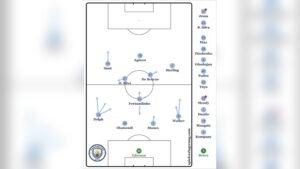

Building your own football tactics curriculum may sound complicated, but today it’s more accessible than ever. In fact, 65% of elite coaches say they regularly update their tactical plans using audio resources. As Pep Guardiola put it: “Tactics are not just written—they are lived, spoken, and shared.” If you want to create a personalized learning path for football tactics, free audio education is a powerful tool. Here’s how to build your own curriculum and make it stick.
Audible Premium Plus Promo
★★★★★
FREE
Your first audiobook is free —
keep it forever, even if you cancel.
Start a 30-day trial and pick any elite football biography, tactics deep-dive, or sports mindset book from 700,000+ titles. That book is yours to keep, zero strings attached.
Perfect for the gym & commute
Free book stays forever
Cancel anytime
Claim My FREE Audiobook
Secure · No commitment
Your first audiobook is free —
keep it forever, even if you cancel.
Start a 30-day trial and pick any elite football biography, tactics deep-dive, or sports mindset book from 700,000+ titles. That book is yours to keep, zero strings attached.
Why Audio Education Works For Football Tactics
Audio learning is changing how coaches and players understand the game. With podcasts, free lectures, and tactical breakdowns, you can learn on the go—whether you’re commuting, training, or relaxing. In the 2022 FIFA World Cup, tactical shifts were often discussed live by analysts, helping millions of fans grasp complex concepts quickly. Studies show that audio learners retain information 30% better when engaging with real match scenarios, compared to just reading tactics guides.
Audio learning isn’t just about convenience. It gives you access to expert thinking and detailed breakdowns that can be hard to find in written guides. For example, many podcasts feature coaches who explain how a tactical idea was created or changed during a real match.
You hear their tone, passion, and sometimes doubts. This makes the learning feel more personal and direct.
Audio also helps you visualize the game. When a commentator describes how a team shifts from a 4-4-2 to a 3-5-2 during play, you can picture the movement even if you don’t see it. For many learners, hearing tactics explained feels much more natural than reading pages of diagrams.
Key Advantages
- Flexibility: Listen anywhere, anytime. No need for textbooks. You can fit learning into busy schedules—while walking, cooking, or traveling.
- Real Examples: Audio often uses match commentary and interviews, making theory practical. You hear real situations: how players react, how coaches solve problems.
- Community: Many audio platforms have forums for sharing ideas and feedback. You can ask questions, join discussions, and connect with other learners.
Some podcasts also offer live Q&A sessions or follow-up episodes based on listener feedback. This means you can get answers to your questions and see how others apply tactics in their teams.
Step 1: Define Your Tactical Goals
Before you start, set clear goals. Are you training a youth team, preparing for a tournament, or simply improving your own football IQ? Write down the main tactical areas you want to cover, such as defensive shape, pressing, or attacking transitions.
Defining your tactical goals is crucial. Without clear targets, it’s easy to get lost in too much information. Think about your team’s style, strengths, and weaknesses. For example, if your players are fast but lack discipline in defense, focus first on organizing your back line and teaching pressing triggers.
Common Tactical Goals
- Build a solid defense (e.g., zonal vs man-to-man marking)
- Improve ball possession and passing patterns
- Master pressing strategies (high press, low block)
- Optimize attacking combinations and movement
- Analyze set pieces (corners, free-kicks)
- Adapt to opponents’ tactics quickly
Concrete example: If your team struggles with counter-attacks, your goal should focus on transition tactics—how to recover quickly or attack when possession changes.
Another example: If you coach youth players who often lose shape when the ball is lost, make “defensive recovery” your first module. You can then use audio lessons that explain how top teams regain structure after a turnover.
Set both short-term and long-term goals. For instance, aim to learn basic pressing in two weeks, then advanced build-up play in the next month. This step-by-step approach keeps motivation high and learning manageable.
Step 2: Find High-quality Free Audio Resources
Now, search for free audio materials that match your goals. Pitch Audible, Spotify, and YouTube are full of tactical podcasts and expert breakdowns.
Finding the right audio resources can be tricky. Not all podcasts are created equal. Some focus on entertainment, others on deep tactical analysis. To make your learning effective, look for shows that feature coaches, analysts, or former players. These hosts usually provide insights you won’t find in casual football talk.
Look for podcasts that break down recent matches, explain tactical shifts, or interview experts. For example, Tifo Football Podcast often uses real match clips to illustrate points, while Coaches’ Voice brings in managers who share tactical secrets from their own teams.
Where To Start
- Pitch Audible: Search “football tactics” or “coaching podcasts.” Many episodes focus on specific tactical themes.
- Spotify Podcasts: “The Coaches’ Voice”, “Tifo Football Podcast.” These are trusted by many coaches for their practical focus.
- YouTube Audio: Tactical analysis channels. Some channels, like “Football Made Simple,” provide clear audio breakdowns with visuals.
- Club Websites: Some pro clubs share tactical briefings and interviews for free. For example, Arsenal and Chelsea have audio segments on their sites.
Make sure the resource is reliable. Look for hosts with real coaching experience, and check if they use match examples and tactical diagrams. Avoid generic podcasts that only discuss transfers or gossip.
Check reviews and ratings. If other coaches recommend the podcast, it’s likely to be useful. Also, see if episodes are structured in series—so you can build learning step by step.
Step 3: Structure Your Curriculum
Your curriculum should have clear modules. Divide it by tactical themes, and match each theme with a relevant audio episode or series.
A structured curriculum helps you focus on one theme at a time. For instance, start with defensive organization, then move to midfield control. This makes learning systematic and easier to track.
You can use a simple spreadsheet or notebook to map your modules. Write down the episode title, the main tactical idea, and your learning goal for each week.
Example Curriculum Structure
- Defensive Organization: 3 episodes on pressing and defending
- Midfield Control: 2 podcasts on possession and build-up
- Attacking Principles: 3 audio lessons on movement and finishing
- Set Pieces: 2 breakdowns on corners/free-kicks
- In-Game Adjustments: 2 sessions on tactical flexibility
Assign each module a timeline—like one week per theme. This keeps learning focused and avoids overload.
You can also add “review weeks” after every two modules. Use this time to revisit episodes, test your understanding, and adjust your curriculum if needed.
If you’re coaching a team, share your curriculum outline with players or assistants. This builds a shared vision and makes learning more collaborative.
Step 4: Take Notes And Summarize Key Insights
Listening is good, but writing down main points makes them stick. After each episode, jot down:
- Tactical principle explained
- Real match example used
- Pro tip or mistake to avoid
For example, after a podcast on pressing, note how Liverpool uses “triggers” to start their press, and why timing matters.
Take notes in your own words. This helps you understand concepts deeply. For instance, instead of copying “use high press to win the ball,” write “instruct forwards to press after a backward pass, like Liverpool. ”
Summarizing key insights also makes it easier to share ideas with your team. You can prepare a short briefing for players before training, using points from the audio episode.
Try recording your own voice notes after listening. This method is powerful for busy coaches. You can quickly review your key takeaways before a session.
Step 5: Apply What You Learn In Practice
Theory means little without practice. Test the tactics in training sessions, or use match footage to spot them in action. Ask players to explain concepts in their own words. Record short audio reflections after games to track progress.
Applying tactics is often the hardest step. Begin with simple drills that match the audio lesson. For example, after learning about pressing triggers, run a drill where players press after a specific cue (like a sideways pass).
Watch matches together and pause at key moments. Ask: “What was the tactical trigger here?” This helps players see theory in real action.
Encourage players to listen to episodes before training. This builds anticipation and makes practice more effective. After training, discuss what worked and what didn’t.
Pro Tip
Use audio to create “mini workshops. ” Play a segment during team meetings, then pause to discuss. This boosts understanding and sparks debate.
You can also use audio in video sessions. Play a tactical explanation, then show a match clip that illustrates the concept. This combination helps players connect sound to sight.
Ask players to record their own audio reflections after matches. This builds accountability and helps you see how well they understand tactics.

Credit: www.structural-learning.com
Step 6: Review And Adjust Your Curriculum
Football is always evolving. Review your curriculum every month. Add new episodes, or drop ones that don’t fit your goals anymore. Stay open to new trends—like how the 2022 World Cup saw the rise of three-at-the-back systems.
Set a reminder to revisit your goals and modules. If your team’s needs change, shift your focus. For example, if you start conceding goals from set pieces, add more episodes on defensive corners.
Use feedback from players and assistants. Ask them which episodes helped most, and which concepts need more practice.
Keep your curriculum flexible. Sometimes, a new tactical trend or coach interview will inspire you to add a module. Don’t be afraid to adapt.
Real Match Examples: How Audio Helps Coaches
Let’s see how top coaches use audio education in real scenarios.
- Thomas Tuchel: Listens to tactical podcasts on the way to training, then tests new pressing drills with his team.
- Emma Hayes (Chelsea): Uses audio breakdowns to teach players about transitions, pausing episodes to quiz them.
- Marcelo Bielsa: Records his own tactical notes as audio clips, then shares them with staff for feedback.
These methods show how free audio isn’t just theory—it’s a practical coaching tool.
Audio also helps coaches learn from mistakes. For example, after a tough loss, Tuchel might listen to a podcast analyzing his team’s weaknesses, then adjust training. Bielsa’s habit of recording tactical notes lets him review concepts before big matches.
If you’re not a pro coach, you can still use these methods. Listen to episodes before training, discuss them with your staff, and record your own reflections.
Credit: www.resumetemplates.com
Do’s And Don’ts When Using Audio Tactics
Here’s a quick guide on what works—and what doesn’t—when building your curriculum.
| Do | Don’t |
|---|---|
| Use episodes with real match analysis | Rely on podcasts that only discuss rumors |
| Take notes and summarize after listening | Forget to track your progress |
| Apply tactics on the field | Keep learning only theoretical ideas |
| Review and update your modules | Stick to outdated concepts |
Follow these simple rules to maximize your learning. If you feel stuck, ask for feedback or try new episodes.
Elite Tactics Modules: Sample Curriculum Breakdown
You can use this template to build your own curriculum. Each module pairs with a free audio episode.
| Module | Audio Resource | Key Learning |
|---|---|---|
| Defensive Organization | Tifo Football Podcast: “Pressing Explained” | High/low press, triggers, real match clips |
| Midfield Control | Pitch Audible: “Building from the Back” | Build-up shape, progressive passing, mistakes |
| Attacking Principles | Coaches’ Voice: “Movement in Attack” | Third-man runs, off-ball movement, finishing |
| Set Pieces | YouTube: “Modern Set Piece Tactics” | Corner routines, free-kick patterns |
| In-Game Adjustments | Pitch Audible: “Changing Tactics Mid-Game” | Substitutions, tactical switches, real-time audio |
Feel free to expand this template with new modules or episodes as your team grows.
How To Judge If An Audio Tactics Resource Is Good
Not every football podcast or audio lesson is useful for tactical learning. Look for these signs of quality:
- Expert hosts: Coaches, analysts, or ex-players
- Use of match footage: Audio describes real games, not just theory
- Clear segment structure: Each episode has a focus, not random topics
- Listener engagement: Q&A, feedback, or interactive sessions
Avoid podcasts with only news or rumors. If the host does not explain tactics with real examples, move on.
Check if the podcast has regular updates. If episodes are old or infrequent, tactics may be outdated. Also, see if the show invites guest coaches—this brings fresh perspectives and new ideas.
Common Mistakes Beginners Make
When starting out, many learners miss these points:
- Jumping between too many podcasts without focus
- Not writing down main ideas after listening
- Ignoring club-specific tactics (every team is unique)
- Overloading with too many episodes at once
- Not linking learning to real matches or practice
To avoid these, stick to one module at a time, and always connect audio insights to what happens on the pitch.
Another mistake: Some beginners skip episodes that seem “too basic.” But simple concepts are often the foundation for advanced tactics. Make sure you understand the basics before moving on.
Don’t feel pressured to finish every episode quickly. Take your time, pause often, and practice what you learn.

Credit: thedispatch.com
Actionable Takeaways For Building Your Curriculum
- Start small: Pick 2–3 tactical themes first
- Listen actively: Pause, rewind, and take notes
- Apply lessons: Test tactics in training or games
- Update regularly: Add new trends or episodes
- Share: Discuss insights with coaches or teammates
If you’re stuck, ask for recommendations from coaching forums or other teams. There’s always someone who has found a great episode or resource.
Concrete Soccer Examples: Audio Tactics In Action
Let’s break down how audio education helped real teams.
Example 1: High Press At Liverpool
Jurgen Klopp’s team is famous for “gegenpressing. ” Coaches can find audio breakdowns of how Liverpool uses triggers to press. These episodes show the importance of timing—if one player presses too early, the team shape breaks down.
Audio podcasts often explain how Klopp teaches his forwards to wait for a cue—like a backward pass—before pressing. You learn how spacing and communication matter, and why mistakes can lead to conceding goals.
Example 2: Pep Guardiola’s Build-up Play
Guardiola’s teams use a “positional play” system. Free audio lessons detail how full-backs invert, and midfielders rotate. Listeners learn why spacing matters, and how to counter teams that press high.
Some episodes explain how City’s wingers stay wide to create space, and how midfielders use short passes to build confidence. You also hear about common errors—like losing shape when pressured.
Example 3: Chelsea’s Set Piece Strategies
Emma Hayes’ Chelsea women’s team uses audio breakdowns to teach set piece patterns. By listening, players learn specific routines—like blocking defenders at corners—and practice them on the field.
Audio segments highlight how Hayes designs new corner routines based on opponents’ weaknesses. You hear why each player’s movement is planned, and how mistakes are corrected in training.
Comparing Audio Vs Written Tactics Learning
Is audio better than reading? Let’s compare.
| Audio Learning | Written Learning |
|---|---|
| Learn anywhere (on the move) | Needs time and focus (sit and read) |
| Real match examples, lively discussion | Static diagrams, less context |
| Community Q&A, feedback | Limited interaction |
| Easy to revisit and pause | Hard to scan quickly |
Audio learning is more flexible and engaging. But written guides are useful for deep study and reviewing diagrams.
Some coaches combine both methods. They listen to audio for practical examples, then use written guides for tactical diagrams. This “dual learning” approach gives a fuller understanding.
Pro Tips For Making Audio Tactics Stick
- Create a routine: Listen at a set time each day
- Use team meetings: Play segments and discuss as a group
- Record your own tactical notes: Use your phone to keep ideas fresh
- Follow top analysts: Find experts like Michael Cox or Jonathan Wilson
- Join online forums: Share insights and get feedback
Try pairing audio learning with on-field practice. For example, listen to a segment before training, then run a drill based on what you learned.
How Audio Tactics Curriculum Helps Different Roles
Audio learning isn’t just for coaches. Players, analysts, and fans benefit too.
For Coaches
- Discover new drills and tactical ideas
- Learn from pro interviews and real match breakdowns
For Players
- Understand team shape and roles
- Hear explanations from experts
For Analysts
- Stay updated on trends and tactical shifts
- Compare club strategies with audio examples
For Fans
- Deepen knowledge of the game
- Join discussions and forums
Fans who want to analyze games can use audio to spot tactical shifts during live matches. Players can use podcasts to understand their roles better and improve communication.
Building A Curriculum For Youth Teams
If you coach young players, audio can simplify complex tactics.
- Use short episodes (under 15 minutes)
- Pick themes like “defending as a unit” or “basic pressing”
- Test ideas in training, then review as a group
Youth coaches find that audio learning helps players remember tactical ideas better than reading alone.
Try using storytelling. Some podcasts use stories from famous matches to explain tactics. Youth players enjoy these stories and remember lessons longer.
Tracking Your Progress And Measuring Impact
How do you know your curriculum is working? Set simple metrics.
- Quiz players or teammates on tactical terms
- Watch match footage and spot learned tactics in action
- Record training sessions, then review
- Adjust curriculum based on team performance
If your team starts pressing better or makes fewer defensive mistakes, your audio tactics plan is paying off.
You can also use surveys or feedback forms. Ask players which episodes helped most, and which concepts need more practice.
Where To Find The Best Free Football Audio Education
Here are some top sites and platforms:
- Pitch Audible: Wide range of tactical breakdowns
- Spotify: Coaches’ Voice, Tifo Football, Football Weekly
- YouTube: Tactical analysis channels
- Club Websites: Some teams share coaching talks and interviews
- Forums: Reddit, Soccer Coaching Community
For a full directory of football podcasts, visit Wikipedia’s Football Podcasts List.
You can also ask for recommendations in online coaching groups. Many coaches share links to their favorite episodes and explain how they use them.
Non-obvious Insights: What Beginners Miss
- Audio is best for context: Hearing match commentary helps learners understand why a tactic works in real time.
- Segmented learning beats binge-listening: Short, focused modules help retention more than marathon sessions.
- Sharing audio clips improves teamwork: Playing tactical lessons for your team builds shared understanding and sparks new ideas.
Another insight: Audio resources often include mistakes and corrections. Hearing how a coach fixes errors helps you avoid them in your own team.
Elite Coaches’ Quotes On Audio Tactics
“Sometimes you understand football better when you hear it explained, not just see it. ” — Pep Guardiola
“Audio learning connects us. It’s like being in the locker room, hearing the plan. ” — Emma Hayes
These quotes remind us that audio learning builds real connection and understanding—not just theory.
Frequently Asked Questions
What Is A Football Tactics Curriculum?
A football tactics curriculum is a structured plan for learning and teaching tactical concepts. It covers themes like defending, attacking, pressing, and set pieces. Using audio education, you build modules with podcasts and expert breakdowns.
How Do I Choose The Best Audio Resources?
Look for podcasts and episodes hosted by real coaches or analysts. Check if they use match examples and focus on tactical principles. Avoid resources that only discuss news or rumors.
How Can I Apply Audio Tactics In Practice?
Test learned tactics in training sessions or games. Play audio segments for your team, discuss ideas, and review performance. Track progress with notes and real match footage.
Is Audio Better Than Written Guides For Tactics?
Audio is flexible and engaging, letting you learn on the move. It uses real match examples and expert interviews. Written guides are useful for diagrams and deep study, but audio often connects theory to practice better.
Can Youth Teams Benefit From Audio Tactics Learning?
Yes. Short, focused audio episodes help young players understand tactical ideas. Coaches can play segments during meetings, then practice drills based on what was learned.
Final Thoughts
Building your own football tactics curriculum with free audio education is not only possible—it’s smart. By combining expert episodes, practical examples, and focused modules, you create a learning plan that grows with the game. Remember to start with clear goals, pick reliable audio resources, and always link learning to real practice.
Whether you’re a coach, player, or fan, audio tactics make football strategy accessible and lively. With the right approach, your curriculum will help you—and your team—play smarter, adapt faster, and love the game even more.