
Best Soccer Manager Biographies: Ferguson, Klopp, Pep & Wenger
Some say managing a soccer team is harder than playing. Sir Alex Ferguson once joked, “Football management is not a democracy—it’s a dictatorship!” His record? 49 trophies across four decades. If you want to understand what makes the world’s best coaches tick, their biographies hold the answers. These books aren’t just stories—they’re lessons in leadership, tactics, and human psychology.
Audible Premium Plus Promo
★★★★★
FREE
Your first audiobook is free —
keep it forever, even if you cancel.
Start a 30-day trial and pick any elite football biography, tactics deep-dive, or sports mindset book from 700,000+ titles. That book is yours to keep, zero strings attached.
Perfect for the gym & commute
Free book stays forever
Cancel anytime
Claim My FREE Audiobook
Secure · No commitment
Your first audiobook is free —
keep it forever, even if you cancel.
Start a 30-day trial and pick any elite football biography, tactics deep-dive, or sports mindset book from 700,000+ titles. That book is yours to keep, zero strings attached.
Whether you’re a fan, a player, or a student of the game, diving into the lives of Ferguson, Klopp, Guardiola, and Wenger gives you a rare, inside look at soccer’s highest level. Each biography offers unique insights—some focus on building team spirit, others on tactical innovation, and some on the ethical side of coaching.
You’ll discover how these managers influenced not just matches, but entire generations of players and fans. Let’s break down the best biographies, what makes each unique, and why listening might beat reading for absorbing these stories.
1. “leading” By Sir Alex Ferguson With Michael Moritz
Best for: Leadership lessons, motivation, and long-term success.
Ferguson’s career spanned 39 years, from Aberdeen to Manchester United. His biography “Leading” focuses less on tactics and more on the mental side—how he handled stars like Beckham, Ronaldo, and Rooney. Ferguson’s mantra: “Control, discipline, and trust.” He describes his daily routines, how he built winning cultures, and the importance of adapting to change.
He shares how he transformed Manchester United from a mid-table club into a global powerhouse. One example: when he joined, the club lacked modern facilities. Ferguson pushed for upgrades, hired new staff, and changed the team’s diet. These details show how he always looked for small improvements.
Key Lessons
- Consistency wins: Ferguson’s teams rarely dropped standards. He credits constant learning and clear expectations. For example, he enforced strict punctuality and made sure every player knew their role, even off the pitch.
- Managing egos: Handling superstars is about respect and boundaries. Ferguson reveals how he dealt with conflicts directly. When David Beckham became too focused on fame, Ferguson brought him back to team values by clear, tough conversations.
- Adapting quickly: He explains his switch from old-school training to modern sports science in the late 1990s. The book details how he embraced new technology and analytics, which helped keep United ahead.
He often talks about the importance of small rituals, like sharing a meal with his staff or walking around the training ground to chat with players. These habits built trust and unity.
Why Listen?
His Scottish accent, direct style, and real-life anecdotes make the audio version gripping. You’ll hear his passion and frustration—something print can’t capture. Listening to Ferguson’s voice gives you a sense of his authority and warmth, helping you connect with his leadership style.
Quick Summary
- Focus: Leadership, not just soccer tactics.
- Best chapters: Building a team, handling pressure, learning from mistakes.
- Unique insight: How Ferguson used psychology to motivate players. For example, he tailored his feedback to each player’s personality—some needed tough love, others needed encouragement.
Comparison Table
| Book | Author | Main Focus | Best Format | Unique Value |
|---|---|---|---|---|
| Leading | Sir Alex Ferguson, Michael Moritz | Leadership, Team Culture | Audio | Practical management advice |
| Klopp: Bring the Noise | Raphael Honigstein | Personality, Motivation | Audio | Energy & emotional intelligence |
| Pep Confidential | Martí Perarnau | Tactics, Philosophy | Detailed tactical breakdowns | |
| My Life in Red & White | Arsène Wenger | Personal journey, Ethics | Audio | Honest reflections |
2. “klopp: Bring The Noise” By Raphael Honigstein
Best for: Understanding team spirit, emotional intelligence, and modern soccer.
Jürgen Klopp led Liverpool to their first league title in 30 years. Honigstein’s biography dives into Klopp’s methods—his famous hugs, bold speeches, and “heavy metal football.” It’s packed with interviews from former players and staff. The book captures how Klopp’s personality transformed clubs, fans, and even cities.
Klopp is known for connecting deeply with his players. He remembers birthdays, family events, and often sends personal messages. Honigstein writes about Klopp’s ability to lift spirits after tough losses. For example, after losing the Champions League final in 2018, Klopp gave a passionate speech that motivated the team to win the tournament the next year.
Key Lessons
- Authenticity wins: Klopp’s players say his honesty and openness build trust. He never hides his emotions—whether celebrating or admitting mistakes.
- Energy matters: He brings excitement to every training session. The book explains how he uses music, humor, and emotion to inspire. Klopp often uses playful competitions during practice to keep spirits high.
- Tactical evolution: Klopp’s transition from gegenpressing at Dortmund to a more controlled style at Liverpool. He learned to balance intense pressing with patient build-up play, adapting his tactics to his squad.
The biography also shows how Klopp uses media to protect his players. He takes pressure off them by facing reporters himself and uses press conferences as tools to send messages to his team.
Why Listen?
Honigstein’s storytelling style is fast-paced—perfect for audio. You’ll feel the energy and optimism Klopp brings to every challenge. Hearing stories from Klopp and his staff adds authenticity and emotion.
Quick Summary
- Focus: Personality and motivation.
- Best chapters: Turning Dortmund around, changing Liverpool’s mentality.
- Unique insight: How Klopp uses emotion as a tactical weapon. One example is his emotional speeches before big matches, which often become viral videos.
Pro Tips
- Pay attention to Klopp’s approach to setbacks. He turns losses into learning moments. He often says, “We learn more from defeat than victory.”
- Notice how he keeps a close bond with players, even after they leave. Many former players speak highly of Klopp, showing his lasting impact.
Credit: www.bakersfield.com
3. “pep Confidential” By Martí Perarnau
Best for: Tactical detail, coaching philosophy, and inside access.
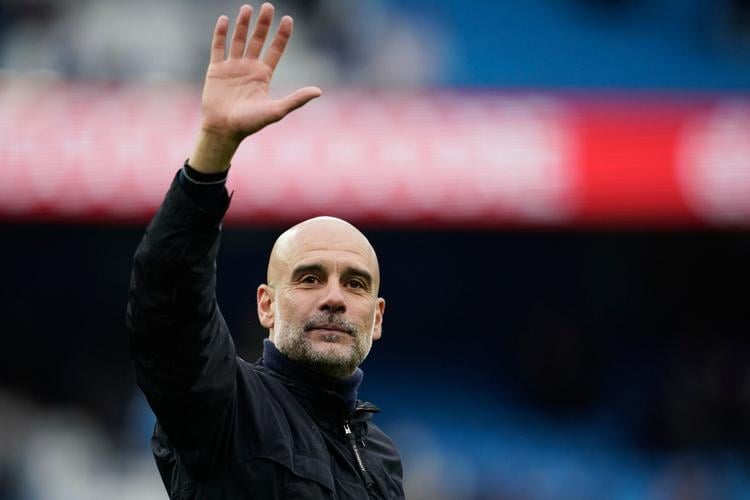
Pep Guardiola is famous for his “positional play”—the system behind Barcelona’s treble and Manchester City’s record-breaking seasons. Perarnau was given rare access to Pep’s first year at Bayern Munich. This biography is full of diagrams, match analyses, and daily routines.
Pep’s approach is scientific. He studies opponents for hours and often adjusts his tactics at the last minute. The book describes how he changed Bayern Munich’s style, focusing on ball possession and fast transitions. Perarnau shows Guardiola’s daily schedule: meetings, tactical sessions, and even moments of self-doubt.
Key Lessons
- Details matter: Guardiola’s obsession with tiny adjustments—player positioning, passing angles, and movement. He sometimes moves a player by just a meter to create space.
- Communication: Pep holds hundreds of one-on-one meetings. He believes every player needs a clear role. Guardiola asks for feedback and listens carefully, creating a culture of continuous improvement.
- Constant innovation: He changes formations to surprise opponents. At Manchester City, Pep introduced inverted full-backs, a tactic now copied worldwide.
The biography also reveals Pep’s emotional side. He often worries about his decisions and feels pressure to succeed. This vulnerability makes him relatable.
Why Listen?
The print version shines for diagrams and tactical notes. But audio brings out Perarnau’s excitement and Pep’s own words—great for absorbing the emotional side. Listening helps you understand Pep’s passion and intensity.
Quick Summary
- Focus: Tactical innovation.
- Best chapters: Explaining “positional play,” adapting to German football.
- Unique insight: How Pep builds trust through constant feedback. He shares stories of correcting mistakes in private, never in public.
Data Table: Guardiola’s Impact
| Club | Trophies Won | Win % | Key Tactic |
|---|---|---|---|
| Barcelona | 14 | 72% | Positional play |
| Bayern Munich | 7 | 75% | Flexible midfield |
| Manchester City | 13 | 74% | High pressing |
4. “my Life In Red & White” By Arsène Wenger
Best for: Ethics, cultural change, and personal growth.
Wenger revolutionized English soccer. He brought science to Arsenal—nutrition, fitness, and calm leadership. His autobiography is more personal than tactical. Wenger discusses his upbringing in France, his love for the game, and how he handled criticism.
Wenger describes how he struggled to adapt in England. He faced skepticism from media and players. Instead of giving up, he focused on values—respect, fair play, and education. He introduced healthy meals, banned junk food, and set higher fitness standards.
These changes improved performance and longevity.
Key Lessons
- Culture change: Wenger explains how he fought for healthy food, better training, and fair play. He shares how he convinced players to trust science, even when it felt strange.
- Resilience: He stayed at Arsenal for 22 years, winning 3 Premier League titles and 7 FA Cups. Wenger often faced criticism for his methods, but he stayed true to his philosophy.
- Global vision: Wenger stresses soccer’s power to unite across borders. He recruited players from many countries and created a multicultural team.
Wenger also talks about his regrets—missing out on big transfers, tough defeats, and moments when he could have changed his approach. These honest reflections make his biography relatable.
Why Listen?
Wenger’s gentle tone and thoughtful reflections make the audio format soothing and inspiring. You feel his humility. Listening brings out his philosophical side and helps you understand his calm leadership style.
Quick Summary
- Focus: Personal journey and ethics.
- Best chapters: Arriving in England, battling rivals, building a legacy.
- Unique insight: How Wenger balanced soccer with philosophy. He often quotes philosophers and relates their ideas to soccer.
Why Audio Beats Print For Soccer Biographies
Listening to a soccer manager’s story, especially in their own voice, adds emotion you can’t get from text. Accents, passion, and pauses reveal personality. Audio books are also easier for non-native English readers—hearing intonation helps with understanding.
Player Analogy
Imagine learning tactics from Cristiano Ronaldo by watching video, not just reading a manual. The same applies to manager biographies. Audio gives you tone, context, and energy.
Key Takeaways
- audio Books Reveal The Passion Behind The Words.
- hearing Managers Speak Brings Their Lessons To Life.
- audio Is More Accessible For Global Fans.
What Makes A Soccer Manager Biography Great?
Not all soccer biographies are equal. The best ones share certain traits:
- Honest storytelling: Real struggles, not just victories. The best biographies reveal failures and doubts.
- Practical lessons: Leadership, communication, resilience. Stories you can use in your own life or job.
- Tactical insight: How managers build winning teams. Good biographies explain not only what happened, but why.
- Personal growth: How setbacks shape character. Look for reflections on mistakes and lessons learned.
Common Mistakes In Choosing
- Picking a book that’s too technical—missing the human side. Beginners often get lost in tactical jargon.
- Choosing a biography with little input from the manager. Books written only by journalists may lack depth.
- Ignoring audio versions if you struggle with English. Audio can make complex ideas clearer.
Manager Styles: Ferguson Vs. Klopp Vs. Pep Vs. Wenger
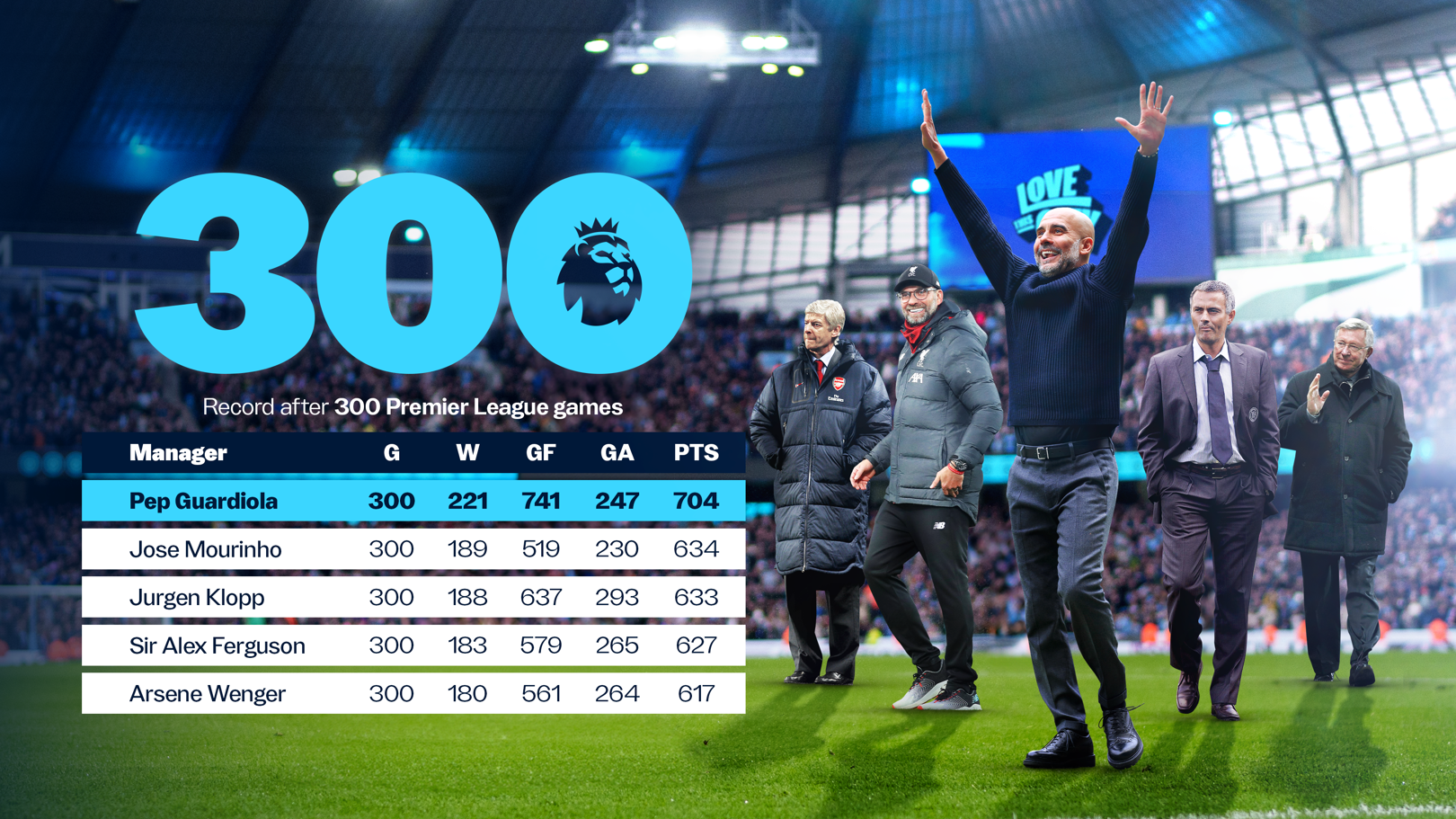
Each manager has a unique style. Comparing their approaches helps you decide which biography fits your interest.
| Manager | Leadership Style | Best For | Key Strength | Weakness |
|---|---|---|---|---|
| Sir Alex Ferguson | Discipline, Control | Building dynasties | Motivation | Reluctant to change quickly |
| Jürgen Klopp | Emotion, Connection | Turning teams around | Energy | Sometimes overly optimistic |
| Pep Guardiola | Detail, Innovation | Modern tactics | Tactical intelligence | Can overwhelm players with info |
| Arsène Wenger | Ethics, Calm | Culture change | Vision | Stubborn on principles |
Best Biographies: Quick List
- “Leading” by Sir Alex Ferguson – Practical advice, leadership secrets, Manchester United stories.
- “Klopp: Bring the Noise” by Raphael Honigstein – Behind-the-scenes at Liverpool and Dortmund, personality-driven.
- “Pep Confidential” by Martí Perarnau – Tactical deep dive, daily routines, Bayern Munich insights.
- “My Life in Red & White” by Arsène Wenger – Personal reflections, Arsenal transformation, ethical leadership.
Credit: www.mancity.com
Actionable Takeaways For Soccer Fans
- Choose audio if you want to hear managers’ passion. It helps you understand their mindset.
- Focus on lessons, not just match stories. Look for practical advice you can use.
- Compare styles to find a biography that matches your interests. Some managers are strict, others emotional, some philosophical.
- Look for honest books—not just PR material. Real stories teach more than polished narratives.
Pro Insight: Managers often reveal their biggest mistakes in their biographies. Learning from their regrets is just as important as learning from their victories.
Do’s And Don’ts Table For Soccer Biography Selection
| Do | Don’t |
|---|---|
| Pick biographies with direct input from the manager | Choose books written only by journalists |
| Try audio format for emotion and clarity | Ignore audio if you struggle with English |
| Look for practical lessons and stories | Read books that focus only on statistics |
| Read multiple biographies for comparison | Judge a manager’s career by one book |
Real-life Impact: How Biographies Shape Fans And Coaches
Many young coaches say Ferguson’s book helped them handle pressure. Klopp’s biography inspires fans to stay positive after defeats. Guardiola’s methods are copied by amateur teams worldwide. Wenger’s focus on ethics is now standard at top clubs.
Biographies also shape thinking about soccer outside the game. Many business leaders use Ferguson’s methods to motivate employees. Teachers use Klopp’s lessons to inspire students. Pep’s attention to detail is popular in creative industries. Wenger’s calm approach helps people manage stress.
Stat: Over 60% of Premier League coaches say they’ve read Ferguson or Guardiola’s biographies for inspiration.
Hidden Insights Beginners Often Miss
- Managers fail often: Ferguson, Klopp, Pep, and Wenger all had losing streaks. Their biographies discuss how they handled setbacks. These stories show that failure is part of the journey.
- Personal life matters: Family, upbringing, and outside interests shape their management style—often more than tactics. Wenger’s love for philosophy, Ferguson’s roots in Scotland, Klopp’s humor, and Pep’s artistic side all influence their decisions.
Another overlooked insight: Many managers have mentors. Ferguson learned from his father, Klopp from his previous coaches, and Pep from Johan Cruyff. These mentors taught values and methods that shaped their careers.

Credit: www.youtube.com
Where To Buy Or Listen
Most biographies are available on Audible, Kindle, and print. For more detailed info, check the official sites or Wikipedia for reviews and links. One trusted source is Wikipedia, which offers summaries and book details.
Frequently Asked Questions
What’s The Best Soccer Manager Biography For Beginners?
For beginners, “Klopp: Bring the Noise” is easy to follow, full of energy, and gives clear lessons on motivation and teamwork.
Are Audio Versions Better Than Print For Non-native English Readers?
Yes, audio books help with understanding by delivering tone, emotion, and context. They are often easier to follow than text.
Which Biography Has The Most Tactical Detail?
“Pep Confidential” offers deep tactical breakdowns, diagrams, and inside access to coaching sessions—ideal for tactical fans.
How Do Manager Biographies Help Fans And Coaches?
They reveal leadership secrets, mistakes, and practical lessons. Coaches learn to handle pressure, motivate teams, and adapt tactics.
What’s The Main Difference Between Ferguson, Klopp, Pep, And Wenger?
Ferguson focuses on discipline and motivation, Klopp on emotion and connection, Pep on tactical innovation, and Wenger on ethics and culture change.
Soccer manager biographies are not just stories—they’re manuals for success, failure, and growth. Whether you pick Ferguson’s discipline, Klopp’s energy, Pep’s tactics, or Wenger’s philosophy, you’ll find inspiration to apply both on and off the pitch.