Key Takeaway & Executive Summary
Firm Ground Soccer Cleats: Evaluated across pitch surfaces for soleplate responsiveness, upper material elasticity, and lockdown stability. Delivers reliable traction and optimized ball feel for competitive match play.
Soccer cleats are your secret weapon on the field—they’re the difference between gliding past defenders and face-planting in the mud. But not all cleats are created equal. Firm ground (FG) soccer cleats, engineered specifically for natural grass, are like precision tools for players who want speed, grip, and control. This guide dives into why FG cleats dominate on grass, how to pick your perfect pair, and answers every question you’ve ever had about these game-changers. Let’s lace up and get started.
What Are Firm Ground Soccer Cleats?
FG simply stands for “Firm Ground”. This designation tells you that the cleat is optimized for natural grass pitches in dry to slightly damp conditions. The specific stud pattern and soleplate stiffness of FG cleats provide the best balance of traction and maneuverability on these surfaces.
- Conical or Bladed Studs: 6–14 strategically placed studs (usually 10–13mm long) that pierce grass for explosive traction.
- Lightweight Construction: Prioritizes speed and agility.
- Flexible Outsoles: Designed to move with your foot during cuts and sprints.
Why They Matter: These cleats are the workhorses of the soccer world, built for performance and durability on natural grass surfaces. Wear turf cleats on grass, and you’ll slip. Wear FG cleats on turf, and you’ll stress your joints. Match the cleat to the surface, and you’ll play sharper and safer.
FG vs. AG vs. TF: What’s the Difference?
Let’s clear the confusion with a quick showdown:
| Type | Studs | Best For | Example |
|---|---|---|---|
| FG | 6–14 long studs | Natural grass | Adidas Predator Edge |
| AG | 13–15 shorter studs | Synthetic turf | Nike Mercurial Vapor |
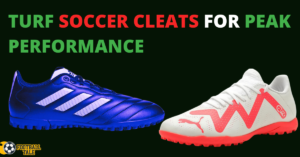
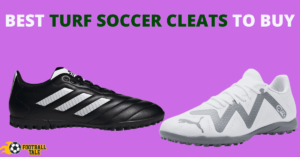
| TF | 30+ rubber nubs | Hard turf/concrete | Puma Future Play |
FG on Artificial Grass? Possible, but risky. FG studs are too long for synthetic turf, increasing injury risk.
Benefits of Firm Ground Soccer Cleats
✅ Unmatched Traction: The prominent studs provide exceptional grip, allowing for quick cuts, explosive acceleration, and confident changes of direction on natural grass. This enhanced traction helps prevent slips and falls, especially during intense gameplay.
✅ Stability and Balance: The strategic arrangement of studs provides a stable base, promoting balance and control during tackles, shots, and quick movements. This added stability helps reduce the risk of ankle injuries.
✅ Optimized for Natural Grass: FG cleats are purpose-built for natural grass pitches. Their stud pattern and soleplate stiffness are perfectly suited for the give and texture of natural turf.
✅ Wide Variety: The most common type of soccer cleat, FG options abound. You can find a wide array of brands, styles, colors, and price points to suit your individual needs and preferences.
✅ Lightweight Speed: Less material = faster sprints.
✅ Ankle Support: Higher cut options stabilize during pivots.
✅ Weather Adaptability: Perform well in dry or slightly wet conditions.
How to Choose FG Cleats: 4 Factors
☑ Fit: Your cleats should fit snugly but allow enough room for your toes to wiggle comfortably. A tight fit maximizes control and precision, while too much space can lead to blisters and instability.
☑ Material: Leather cleats offer a classic feel and conform to your foot over time. Synthetic materials are typically lighter and more durable. Consider your preferences and playing style when selecting a material.
☑ Stud Pattern and Shape: Different stud patterns and shapes cater to various playing styles and positions. Conical studs offer versatility, while bladed studs provide enhanced grip for acceleration and sharp turns.
☑ Budget: FG cleats are available at a variety of price points. Determine your budget and look for cleats that offer the best value for your needs.
Story Time: I once wore turf cleats to a grass tournament. Slipped during a breakaway, missed the goal, and became the team meme.
Maintenance: Keep Your FG Cleats in Top Shape
✔ Cleaning: After each use, remove any dirt or mud with a brush and damp cloth. Avoid submerging your cleats in water.
✔ Drying: Allow your cleats to air dry naturally. Avoid direct heat or sunlight, which can damage the materials.
✔ Storage: Store your cleats in a cool, dry place away from direct sunlight. Stuffing them with newspaper can help maintain their shape.
Never: Toss them in the washing machine—it warps soles.
FAQs: Firm Ground (FG) Cleat Questions, Answered
Q: Can I wear FG cleats on artificial grass?
A: Not ideal. FG studs are too long for turf, risking ankle injuries. Use AG cleats instead.
Q: Can I wear artificial ground soccer cleats on firm ground?
A: While you can wear AG cleats on firm ground, they may not offer the same level of grip and stability as FG cleats. For optimal performance and injury prevention, it’s always best to wear cleats designed for the specific surface you’re playing on.
Q: What are firm ground soccer cleats used for?
A: Firm ground cleats are designed for use on natural grass soccer fields that are dry or slightly damp. They provide optimal traction and stability for playing on these surfaces
Q: Do pros use FG cleats?
A: Yes! Most elite players wear FG on natural grass. They switch to SG (metal studs) for wet conditions.
Q: How long do FG cleats last?
A: 6–12 months with regular use. Rotate pairs to extend their life.
Q: Are FG cleats good for wide feet?
A: New Balance and Mizuno offer wider toe boxes. Avoid narrow brands like Nike if you have wide feet.
Q: Can I replace worn studs?
A: Some models (like Adidas Predator) allow stud replacement. Check the brand’s specs.
The Science Behind FG Stud Patterns
Studs aren’t random—they’re engineered for physics. Conical studs offer 360° grip, while bladed studs propel you forward faster. Most FG cleats mix both:
- Heel: Conical studs for stability.
- Forefoot: Bladed studs for acceleration.
Fun Fact: Nike’s Vapor line uses a “chevron” stud shape to reduce pressure on joints.
Final Whistle
Firm ground soccer cleats aren’t just shoes—they’re your connection to the game. The right pair lets you own the pitch, whether you’re dodging defenders or threading a perfect pass. Invest in FG cleats that fit your play style, and you’ll feel the difference in every step.
Check out our expertly curated Soccer Equipment Buying Guide and Soccer Insights to enrich your soccer cleat knowledge and build your ultimate kit.
Frequently Asked Questions
What pitch surface is this soccer cleat engineered for?
Firm Ground (FG) models perform best on natural grass, while Turf (TF) and Artificial Grass (AG) models use rubber micro-studs or rounded conical studs to reduce rotational knee strain on synthetic turf.
How does the upper material feel and adapt during play?
Modern synthetic microfibers deliver a razor-sharp, barefoot-style strike touch with zero water uptake, while natural leather versions soften and mold organically to your foot contours over time.