
Key Takeaway & Executive Summary
Indoor Vs Outdoor Soccer Shoes: Evaluated across pitch surfaces for soleplate responsiveness, upper material elasticity, and lockdown stability. Delivers reliable traction and optimized ball feel for competitive match play.
Soccer is played in many places—gyms, streets, fields, and stadiums. No matter where you play, the right shoes can make a huge difference. Many players ask: what’s the real difference between indoor soccer shoes and outdoor soccer shoes? Choosing the wrong type can cause discomfort, slipping, or even injury. Let’s break down everything you need to know to pick the best shoes for your game.
What Makes Indoor And Outdoor Soccer Shoes Different?
At first glance, soccer shoes might all look similar. But the way they’re built is very different. The main difference comes from the kind of surface you play on. Indoor soccer is played on hard, flat floors—like gym floors or futsal courts. Outdoor soccer is usually played on grass or artificial turf. This changes everything: the grip, the feel, and how the shoe supports your foot.
Key Features Of Indoor Soccer Shoes
Outsole
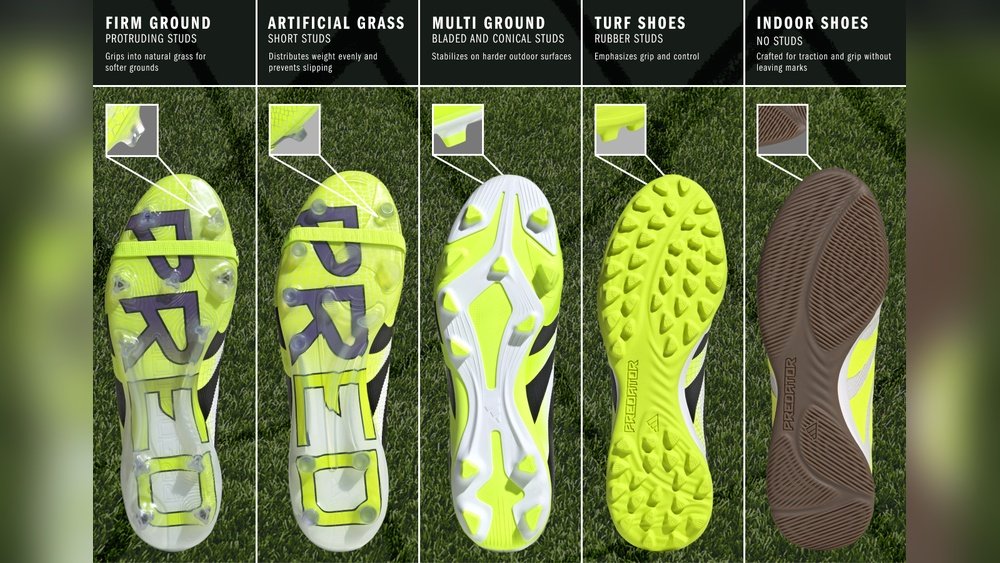
Indoor shoes use a flat, rubber outsole. This sole is designed for hard surfaces and does not have studs or spikes. Instead, it gives you smooth grip for quick movements and fast direction changes. The rubber is usually non-marking, so it doesn’t leave black marks on gym floors.
Upper Material
Most indoor shoes have a thin, flexible upper. It’s often made from synthetic leather, mesh, or natural leather. This lets players feel the ball better, which is important for control in tight spaces.
Cushioning And Support
Indoor courts are hard. So, indoor soccer shoes include extra cushioning in the midsole to absorb shock. The shoe shape is usually low-profile, so your foot stays close to the ground for better stability.
Weight
Indoor shoes are usually lightweight. This makes it easier to move quickly, make sharp turns, and play fast-paced games.
Traction
The sole pattern is made for multi-directional grip. You’ll see small grooves or patterns that help keep you from sliding, even on smooth surfaces.
Key Features Of Outdoor Soccer Shoes
Studs Or Cleats
The most obvious feature: studs (also called cleats). These are little spikes on the outsole that dig into the ground. They help prevent slipping on grass or turf.
- Firm ground (FG) studs: For natural grass, not too wet or dry.
- Soft ground (SG) studs: For muddy or very wet fields. Usually longer and sometimes metal.
- Artificial ground (AG) studs: For synthetic turf. These are shorter and more numerous.
Upper Material
Outdoor shoes often use more durable materials. This includes strong synthetic or kangaroo leather. The extra strength helps protect your foot from other players’ tackles.
Midsole And Cushioning
Outdoor shoes have less shock absorption than indoor shoes. The ground itself gives some cushion. But many shoes still add a small foam layer for comfort over long games.
Weight And Construction
Outdoor soccer shoes can be heavier than indoor shoes. This is because of the studs and extra protection. However, modern designs focus on keeping them light for speed and agility.
Side-by-side Comparison: Indoor Vs Outdoor Soccer Shoes
Seeing the features side by side makes things clearer:
| Feature | Indoor Soccer Shoes | Outdoor Soccer Shoes |
|---|---|---|
| Outsole | Flat, rubber, non-marking | Studded (cleats) for grass/turf |
| Grip | Multi-directional, for smooth surfaces | Penetrates ground for traction |
| Weight | Lighter | Heavier (due to studs) |
| Cushioning | More, for hard floors | Less, ground absorbs shock |
| Protection | Basic | Often reinforced |
| Best Used On | Indoor courts, gym floors | Grass, artificial turf |
Why Playing Surface Matters
The wrong shoes on the wrong surface can ruin your game. Here’s what happens:
- Indoor shoes on grass: You’ll slip and have poor grip. The flat sole cannot dig into the grass.
- Outdoor shoes on gym floors: The studs won’t grip. You’ll feel unstable and might even damage the floor.
Different surfaces change how the ball moves and how your feet interact with the ground. That’s why shoe design matters so much.
Fit And Comfort: What To Look For
No matter where you play, comfort is key. But indoor and outdoor shoes fit a bit differently.
Indoor Shoe Fit
- Should fit snugly, almost like a sock.
- Your toes should not touch the end.
- The heel should not slip.
- There’s less padding, so a good fit is important.
Outdoor Shoe Fit
- Slightly more padding, but still a close fit.
- Space for thick socks (for cold or wet games).
- The upper material may stretch over time, especially leather.
A non-obvious insight: Many players buy outdoor shoes too large, thinking they need lots of toe space. This causes blisters and poor ball control. Both shoe types should fit closely, but not squeeze.
Durability And Lifespan
Indoor shoes usually last longer if only used indoors. The rubber sole wears down slowly on smooth floors. But if you wear them outside, they wear out fast.
Outdoor shoes face more abuse—mud, water, and rough contact. Studs can wear down or even break. High-quality outdoor shoes can last a full season with care, but cheap ones may not.
A tip most beginners miss: Rotate between two pairs if you play often. This lets each pair dry out and keeps the material from breaking down too quickly.
Price Differences: Is One More Expensive?
Price depends on brand, material, and features. However, outdoor soccer shoes are often more expensive. This is due to the extra construction for studs and protection.
Let’s look at a price comparison:
| Shoe Type | Entry Level ($) | Mid Range ($) | High End ($) |
|---|---|---|---|
| Indoor | 35-60 | 60-100 | 100-180 |
| Outdoor | 45-80 | 80-150 | 150-300+ |
Note: Prices can change based on sales, special editions, or new releases.
Performance: How Shoes Affect Your Game
The right shoes can help you play better and reduce injury risk. Here’s how:
- Indoor shoes: Offer better ball control and fast footwork for tight spaces. The grip pattern helps with sudden stops and starts.
- Outdoor shoes: Help you run, turn, and stop on grass without slipping. The studs are critical for safety when fields are wet.
A common mistake: Some players think they can use running shoes for indoor soccer. Running shoes are built for straight lines, not side-to-side movement. This increases the chance of ankle twists.
Care And Maintenance Tips
To make your shoes last, regular care is important. Here’s what you should do:
- Clean after use: Wipe mud and dirt off outdoor shoes with a damp cloth. For indoor shoes, brush off dust and sweat.
- Dry naturally: Never put shoes near heaters or in a dryer. High heat can damage glue and warp the shape.
- Remove insoles and laces: Let them dry out separately.
- Store in a cool, dry place: Avoid leaving shoes in your bag, especially if wet.
- Check studs regularly: Replace worn or broken studs before they cause injury.
Surprising tip: Stuffing shoes with newspaper can help absorb moisture and keep their shape after a rainy game.
When You Might Need Both Types
Some players only play on one surface. But many switch between outdoor and indoor soccer, depending on the season. If you play year-round, you’ll need both types. Using the wrong shoes can lead to poor performance and even get you banned from some indoor courts (because outdoor studs can damage the floor).
If you’re on a budget, buy the right shoe for your main playing surface first. Add the second type when possible.
Top Brands And Models For Each Type
Several brands make high-quality soccer shoes. Here are some well-known choices:
Indoor Soccer Shoes
- Nike Tiempo Legend 9 Academy IC: Good grip and ball control.
- Adidas Samba Classic: A classic, popular for futsal and indoor.
- Puma Future Z 4.4 IT: Lightweight and flexible.
Outdoor Soccer Shoes
- Adidas Predator Accuracy.3 FG: Good for firm ground, strong strike zone.
- Nike Mercurial Vapor 15: Lightweight, built for speed.
- Puma King Top FG: Classic leather feel, durable.
Remember, the best shoe is the one that fits your foot and playing style.
Indoor Vs Outdoor Soccer Shoes: Quick Reference Table
Here’s a simple overview for when you need a fast answer:
| Indoor Shoes | Outdoor Shoes | |
|---|---|---|
| Best Surface | Hard, smooth (gyms, futsal) | Grass, artificial turf |
| Main Feature | Flat, rubber sole | Studded sole |
| Key Focus | Quick turns, ball control | Traction, safety |
| Price Range | $$ | $$$ |
Common Mistakes When Choosing Soccer Shoes
- Wearing outdoor shoes inside: Damages floors and reduces grip.
- Picking the wrong stud type for outdoor: Firm ground shoes on muddy fields lead to slips.
- Choosing based on looks, not fit: Cool colors are nice, but comfort and performance matter more.
- Ignoring shoe width: Some brands run narrow or wide. Try before you buy if possible.
- Not breaking in new shoes: Wear them around the house before your first match to avoid blisters.
Not-so-obvious Insights
- Indoor shoes work well for street soccer: Their grip and low profile help with control on concrete.
- Outdoor shoes with molded studs can sometimes be used on artificial turf, but only if the turf is long-pile. Short-pile turf needs special turf shoes (TF), which are closer to indoor models.
For more information on soccer shoe types and playing surfaces, the Football boot Wikipedia page offers more in-depth details.
Frequently Asked Questions
What Happens If I Wear Indoor Soccer Shoes Outside?
Indoor shoes wear down quickly on rough outdoor surfaces. Their grip disappears, and the shoe won’t last long. You’ll also have poor traction on grass, which can cause slips and injuries.
Can I Use Running Shoes For Indoor Soccer?
It’s not recommended. Running shoes are designed for forward movement, not the quick turns and sideways motion in soccer. You risk ankle injuries and have less control over the ball.
How Often Should I Replace My Soccer Shoes?
For regular players, shoes can last a season (6-12 months). If you play often or on rough fields, you may need to replace them sooner. Check the sole and upper for signs of wear.
Are There Shoes Made For Both Indoor And Outdoor Soccer?
Some brands make “multi-ground” shoes, but they are usually a compromise. It’s best to have a dedicated pair for each surface to get the right grip and support.
Do Professional Players Use Special Shoes?
Yes. Pros get custom shoes designed for their foot shape and playing style. But the main difference is in fit and performance, not just looks. Regular players should focus on fit and comfort.


