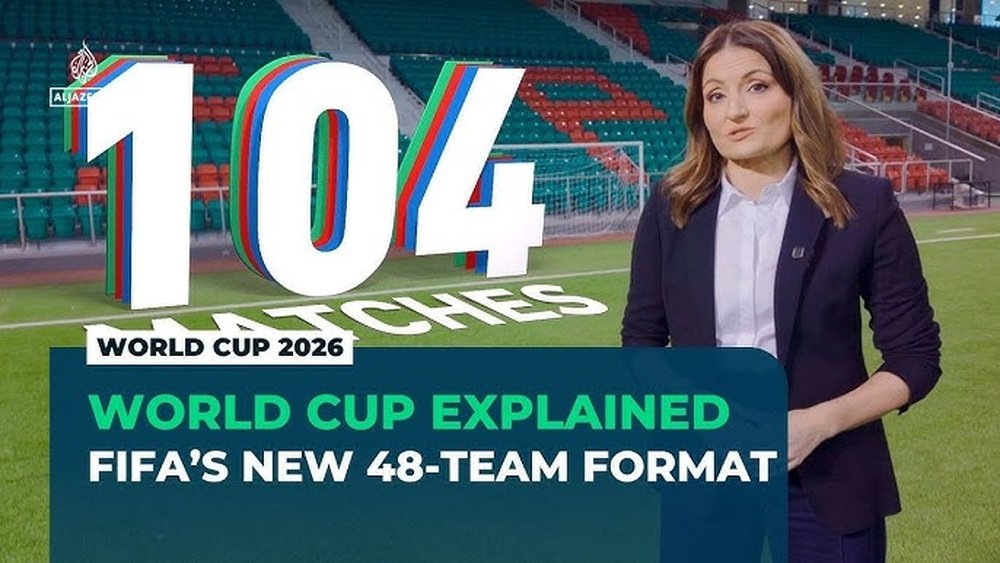
Are you ready to dive into the biggest change in World Cup history? The 2026 tournament is shaking things up with a new format, featuring 48 teams spread across three host countries.
This means more matches, new rules, and a fresh way to experience the world’s most thrilling soccer event. If you want to understand how this expanded World Cup works, who qualifies, and what it means for your favorite teams, keep reading.
We’ll break down everything you need to know so you won’t miss a single moment of the action. Your ultimate guide to the World Cup 2026 starts here!
Expansion To 48 Teams
The World Cup 2026 marks a major change with its expansion to 48 teams. This growth offers a fresh and inclusive approach to the tournament. More nations will get a chance to compete on football’s biggest stage. This shift reflects the sport’s global popularity and the desire to involve more countries.
Reasons For Expansion
One key reason is to include more teams from underrepresented regions. This helps develop football in countries with less exposure. The expansion also increases global interest and viewership. Hosting more teams allows FIFA to promote the sport worldwide. It creates opportunities for new talents to shine. This change supports football’s growth and diversity.
Impact On Global Football
The increase to 48 teams will boost football’s reach and popularity. More countries will gain experience playing at the highest level. This can improve the quality of football in those nations. Fans from all over the world get to enjoy more matches. The tournament will showcase a wider range of playing styles. It encourages unity and passion for the sport across continents.
Host Countries And Venues
The 2026 World Cup will be a unique event hosted by three countries. The United States, Canada, and Mexico will share the honor of holding matches. This joint hosting will bring soccer excitement to new cities and stadiums across North America.
The tournament’s venues will showcase diverse locations and rich football cultures. Fans can expect stadiums filled with energy and vibrant crowds. Each host country will contribute its own style and atmosphere to the event.
United States
The United States will host the majority of matches in 2026. It has many large stadiums with modern facilities. Cities like New York, Los Angeles, and Dallas will welcome teams and fans. The U.S. offers a variety of climates and cultures, enriching the tournament experience.
Canada
Canada will host several games for the first time in World Cup history. Cities such as Toronto, Vancouver, and Montreal will be key locations. Canadian stadiums are known for their excellent infrastructure and fan-friendly settings. This will be a milestone for soccer in Canada.
Mexico
Mexico has a strong World Cup tradition and will host many matches. Cities like Mexico City, Guadalajara, and Monterrey are planned venues. Mexican fans are passionate and create an electric atmosphere. The country’s stadiums combine history with modern upgrades.
Stadiums And Cities
The 2026 World Cup will use 16 stadiums across the three host countries. Each stadium meets FIFA’s standards for capacity and safety. The cities selected offer easy access and vibrant local cultures. Fans can enjoy world-class soccer alongside unique city experiences.
New Group Stage Format
The World Cup 2026 introduces a new group stage format to fit 48 teams. This change aims to keep the tournament exciting and fair. The format adjusts group sizes, match scheduling, and how teams advance. It ensures every team gets a chance to prove itself on the world stage.
Group Size And Number
The tournament will feature 16 groups with three teams each. This is different from the previous 32-team format with groups of four. Smaller groups mean fewer matches per team in the group stage. Each team plays two matches instead of three. This setup helps manage the larger number of teams efficiently.
Match Scheduling
Matches will be scheduled to allow rest days between games. Each group’s teams will play against each other once. The scheduling avoids teams playing back-to-back games. This helps players stay fresh and maintain high performance. The schedule also fits well with multiple host countries and venues.
Advancement Criteria
The top two teams from each group will move to the knockout stage. Points earned from wins and draws decide the rankings. If teams tie, goal difference and goals scored come next. This clear system ensures the best teams advance. It creates strong competition from the start of the tournament.
Knockout Stage Changes
The 2026 World Cup brings major changes to the knockout stage. With 48 teams competing, the format expands beyond the traditional 16-team knockout round. This update creates new opportunities and challenges for teams and fans.
The knockout stage will begin with a Round of 32. This extra round adds intensity and excitement. Teams must now navigate an additional elimination match to reach the deeper rounds.
Round Of 32 Introduction
The Round of 32 is a new first knockout round. It follows the group stage, which now has 16 groups instead of 8. The top two teams from each group advance to this round. This change means more teams play in the knockout phase.
Each match in the Round of 32 is a single elimination game. The winner moves on, and the loser leaves the tournament. This setup keeps the tension high right from the start of the knockouts.
Match Progression
The knockout rounds continue with the Round of 16, quarterfinals, semifinals, and final. Each stage cuts the number of teams in half. Matches remain single elimination, requiring teams to perform at their best every game.
This progression means 31 matches in the knockout phase instead of the usual 16. Fans can expect more thrilling matches and longer tournament excitement.
Tie-breaking Procedures
If a knockout match ends in a tie after 90 minutes, teams play 30 minutes of extra time. If still tied, the game goes to a penalty shootout. This method ensures a clear winner for every match.
These tie-breaking rules stay the same as previous World Cups. They add drama and test players’ skills under pressure.
Qualification Process Updates
The qualification process for the 2026 World Cup has significant updates. The tournament will feature 48 teams for the first time. This change affects how teams qualify and how many spots each region gets. The new process aims to be fair and include more countries from around the world.
Slot Allocation Among Confederations
The 48 spots are divided among six football confederations. Each confederation receives a set number of slots based on football strength and development. For example, UEFA gets the largest share, while smaller confederations gain more places than before. This allows more teams from Africa, Asia, and other regions to compete.
Intercontinental Playoffs
Ten teams will fight for the last two World Cup spots in intercontinental playoffs. These playoffs involve teams from different confederations. They will play knockout matches to secure a place in the tournament. This adds extra excitement and opportunity for teams just missing direct qualification.
Automatic Qualification For Hosts
The 2026 World Cup is hosted by three countries: the United States, Canada, and Mexico. All three host nations qualify automatically. This means they do not need to take part in the qualification matches. It is the first time three countries will host and qualify together automatically.

Credit: www.youtube.com
Scheduling And Duration
The 2026 World Cup brings a new scheduling plan to handle 48 teams across three countries. This section explains how the tournament’s timing and match setup will work. Organizers aim to keep the event exciting and manageable for players and fans.
Tournament Length
The tournament will last about 32 days, similar to past World Cups. Despite more teams, the event will not extend much longer. This keeps the competition intense and fans engaged without long breaks.
Match Frequency
Matches will be played almost every day during the group stage. Fans will have many games to watch, with teams playing multiple times each week. The schedule balances excitement with enough time for teams to perform well.
Rest Days
Teams will get rest days between matches to recover. Usually, there will be at least two days off after each game. This helps players stay healthy and play their best throughout the tournament.
Broadcasting And Viewership
The 2026 World Cup promises a fresh experience in broadcasting and viewership. With 48 teams competing across three countries, the event will attract a vast global audience. Broadcasters face new challenges to deliver seamless coverage that captures every moment.
Fans expect high-quality streams, multiple camera angles, and real-time updates. The expanded format means more matches, requiring extensive coordination among media providers. Viewers want easy access on various devices, from TVs to smartphones.
Global Audience Expectations
Viewers worldwide anticipate inclusive and accessible coverage. Many seek broadcasts in their native languages and culturally relevant commentary. Interactive features, like live stats and social media integration, enhance engagement.
Fans expect quick highlights and expert analysis during breaks. The diverse fan base includes new countries joining the tournament, increasing demand for localized content. Broadcasters must adapt to different time zones and viewing habits.
Media Rights Distribution
Media rights for the 2026 World Cup will be split among several key broadcasters. The distribution aims to maximize reach and revenue across participating countries. Rights holders will offer varied packages for TV, online streaming, and mobile apps.
This split ensures local broadcasters can serve their audiences effectively. It also encourages competition, improving broadcast quality and innovation. Coordinating rights across three host nations adds complexity but broadens market access.

Credit: en.wikipedia.org
Challenges And Criticisms
The World Cup 2026 brings a new format with 48 teams across three countries. This expansion raises several challenges and criticisms. The changes affect many parts of the tournament. Organizers, players, and fans all face new hurdles. Understanding these issues helps prepare for the event ahead.
Logistical Issues
Hosting matches in three countries creates complex travel plans. Teams and fans must move between the United States, Canada, and Mexico. This increases costs and travel time. Scheduling games to avoid long trips is difficult. Stadium readiness and local infrastructure will be tested. Coordinating security across borders adds more challenges. These factors could strain resources and affect the tournament’s flow.
Competitive Balance
The new format increases the number of teams from 32 to 48. This allows more countries to participate. Some worry this may lower the quality of matches. Smaller or weaker teams might face stronger teams early. The group stage could become less balanced. There is a risk of uneven competition. Top teams might have easier paths to the later rounds. This could affect the tournament’s overall excitement and fairness.
Fan Experience
Fans may find it harder to follow all matches. More games mean a longer tournament and more choices. Traveling to multiple countries can be expensive and tiring. Language and cultural differences may create barriers. Ticket availability might become limited due to high demand. Fans might miss some key matches because of overlapping schedules. These factors can reduce the enjoyment for many supporters.
Legacy And Future Impact
The 2026 World Cup promises a lasting legacy beyond the matches. Hosting the tournament across three countries with 48 teams brings unique opportunities. It will shape the future of soccer in many ways. The event’s impact will reach players, fans, and communities for years to come.
Development Of Soccer In Host Countries
The World Cup will boost soccer’s growth in the US, Canada, and Mexico. New stadiums and training centers will improve local sports facilities. Youth programs will gain more attention and funding. This will inspire young athletes to pursue soccer seriously. The event will also attract global coaches and scouts. This helps raise the skill level in host countries. Soccer culture will grow stronger in areas where it was less popular.
Influence On Future Tournaments
The 48-team format sets a new standard for upcoming World Cups. More teams mean a wider global reach and fan base. The shared hosting model may become more common. It shows how countries can work together to host large events. New rules and formats tested here could be adopted later. This tournament will serve as a blueprint for future soccer events worldwide. Fans can expect more diverse and exciting competitions ahead.

Credit: en.wikipedia.org
Frequently Asked Questions
How Does The World Cup 2026 Work With 48 Teams?
The 2026 World Cup features 48 teams split into 16 groups of three. Top two from each group advance to a 32-team knockout stage. This format increases matches and global representation while maintaining a clear progression system to the final.
Why Is The 2026 World Cup In Three Countries Explained?
The 2026 World Cup is hosted by three countries to share costs, boost regional cooperation, and increase global fan engagement.
What Is The Layout Of The Fifa World Cup 2026?
The FIFA World Cup 2026 features 48 teams divided into 16 groups of three. Top two from each group advance to a 32-team knockout stage. Matches will be held across the United States, Canada, and Mexico. This format expands the tournament and increases global participation.
What Is The Format For The World Cup 2026?
The 2026 World Cup features 48 teams divided into 16 groups of three. The top two teams from each group advance to a 32-team knockout stage. The tournament will take place in the United States, Canada, and Mexico.
Conclusion
The World Cup 2026 brings a fresh and exciting format. Forty-eight teams will compete across three host countries. Groups will be smaller, making every match crucial. More teams mean more chances for new nations to shine. Fans can expect thrilling games and diverse cultures.
The tournament promises unforgettable moments on a global stage. Prepare for a World Cup like never before.