
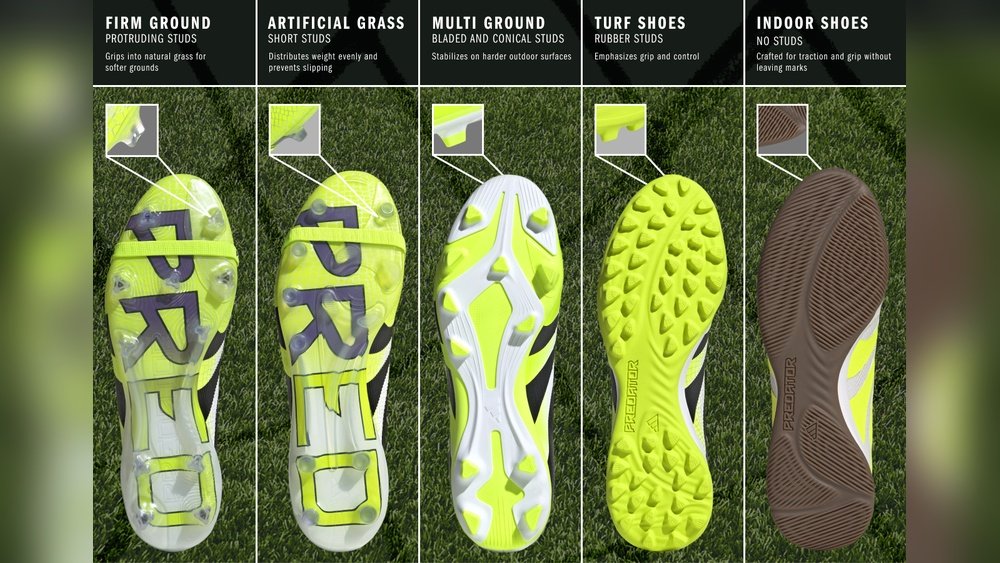
Key Takeaway & Executive Summary
Fg Vs Ag Soccer Cleats: Evaluated across pitch surfaces for soleplate responsiveness, upper material elasticity, and lockdown stability. Delivers reliable traction and optimized ball feel for competitive match play.
Choosing the right soccer cleats can change your game, protect you from injuries, and boost your confidence on the field. If you’re deciding between FG (Firm Ground) and AG (Artificial Ground) soccer cleats, you’re not alone. Many players, from beginners to experienced athletes, wonder which type is best for them. The answer depends on the surface you play on, your playing style, and even your budget. Understanding the differences will help you make a smart investment that matches your needs and avoids common mistakes.
What Are Fg And Ag Soccer Cleats?
FG and AG are short for Firm Ground and Artificial Ground cleats. These names are based on the type of field they are designed for.
- FG (Firm Ground) cleats are made for natural grass fields that are dry or slightly wet. These are the most common type for outdoor play.
- AG (Artificial Ground) cleats are specially designed for artificial turf surfaces, like synthetic grass or 3G/4G fields.
The key difference is in the stud configuration—the shape, length, and number of the studs on the sole. This affects grip, comfort, and safety on different field types.
Why Surface Type Matters
The surface you play on is the most important factor when choosing between FG and AG cleats. Using the wrong type can lead to poor performance and even injury.
Natural grass fields are often soft or slightly firm, while artificial turf is harder and sometimes abrasive. FG cleats have longer, fewer studs for sinking into real grass. AG cleats have more, shorter studs to spread pressure and prevent slipping on synthetic turf.
Some beginners miss that using FG cleats on artificial turf can cause stud pressure, discomfort, and even soleplate cracks. On the other hand, AG cleats can feel unstable on soft grass.
Key Differences Between Fg And Ag Cleats
To see the main differences at a glance, check this comparison:
| Feature | FG Cleats | AG Cleats |
|---|---|---|
| Designed For | Natural grass (firm/dry) | Artificial turf (3G/4G) |
| Stud Length | Longer (10-15mm) | Shorter (6-10mm) |
| Stud Count | 10-13 | More than 15 |
| Stud Shape | Bladed/Conical | Rounded/Multiple |
| Pressure Distribution | Less even on hard surfaces | Even, reduces stud pressure |
| Durability on Turf | Low (may crack/tear) | High (reinforced sole) |
When To Choose Fg Soccer Cleats
FG cleats are the classic choice for most outdoor soccer. They are ideal if you mostly play on:
- Well-maintained natural grass fields
- Dry or slightly wet pitches
- Firm but not rock-hard ground
Advantages Of Fg Cleats
- Optimal grip on natural grass: The longer studs dig into the surface, giving you traction for sprints, cuts, and turns.
- Better ball feel: Many players prefer the touch and control FG cleats offer on real grass.
- Versatility: FG cleats can sometimes be used on newer, softer artificial turf, but this is not always recommended.
Disadvantages Of Fg Cleats
- Risk of injury on turf: Longer studs can “stick” in artificial grass, risking knee and ankle injuries.
- Soleplate cracking: FG cleats are not built to handle the harder, abrasive artificial surfaces.
- Poor comfort on hard ground: Stud pressure can hurt your feet if the field is very hard or dry.
Real-world Example
Imagine you play in a local league that uses city parks with real grass. In this case, FG cleats are usually the best fit—unless the field is very hard or often muddy.
When To Choose Ag Soccer Cleats
AG cleats are designed for artificial fields. These are becoming more common, especially in cities and schools.
You should choose AG cleats if you often play on:
- Modern artificial turf (3G/4G)
- Synthetic training pitches
- Hard or abrasive surfaces
Advantages Of Ag Cleats
- Less stud pressure: The increased number of shorter studs spreads your weight, making them comfortable for long games.
- Reduced injury risk: The studs are designed to release from turf, preventing your foot from getting “stuck.”
- Durability: AG soleplates are reinforced to resist splitting and cracking on hard turf.
Disadvantages Of Ag Cleats
- Less grip on soft grass: AG studs can slip on muddy or soft natural fields.
- Slightly heavier: The reinforced sole can add a few grams to the shoe.
- Cost: AG cleats can be more expensive due to their special design.
Real-world Example
If your team practices on artificial turf but plays matches on natural grass, you might need both FG and AG cleats. Some leagues even require AG cleats for turf games for safety reasons.
Performance Comparison: Fg Vs Ag Cleats
How do FG and AG cleats compare in real play? Here’s what you’ll notice:
| Performance Factor | FG Cleats | AG Cleats |
|---|---|---|
| Acceleration | High on grass, can slip on turf | Consistent on turf, less grip on grass |
| Turning & Cutting | Sharp on grass, risk of twist on turf | Safe, controlled on turf |
| Comfort (Long Play) | Excellent on grass, poor on turf | Very good on turf, average on grass |
| Injury Risk | Low on correct surface, high on turf | Low on turf, moderate on grass |
Durability And Cost
Many players forget to consider durability and price. Here’s a comparison to help:
| Aspect | FG Cleats | AG Cleats |
|---|---|---|
| Expected Lifespan | 8–12 months (on grass) | 12–18 months (on turf) |
| Price Range | $60–$300 | $80–$350 |
| Repairability | Low (soleplate often fails first) | Low (studs and sole wear evenly) |
Non-obvious insight: Using the wrong cleat type on the wrong surface can wear out your shoes twice as fast. For example, FG cleats used on turf may only last a few months before splitting.
Can You Use Fg Cleats On Ag Fields (and Vice Versa)?
Many players try to save money by using one pair for everything. Is this a good idea?
- FG on AG: Not recommended. Can cause discomfort, soleplate cracks, and injury. Some artificial turf facilities ban FG cleats for safety.
- AG on FG: Usually safe, but you may get less grip on wet or muddy grass. For casual play, this is possible, but not ideal for serious matches.
Tip: Some brands offer FG/AG hybrid cleats, but always check the label and ask your coach if you’re unsure.
How To Choose: Key Questions To Ask
Before buying, answer these:
- Where do you play most games? If the answer is artificial turf, choose AG. If it’s natural grass, choose FG.
- How often do you play? Frequent play on tough turf demands AG cleats for comfort and durability.
- What is your injury history? If you have ankle or knee issues, avoid FG cleats on turf.
- What is your budget? Buying two pairs is better but not always possible. If you must choose one, match the surface you play on most.
Non-obvious insight: Even if you only play on turf 30% of the time, using AG cleats can save you money and foot pain in the long run if those sessions are intense.
Mistakes To Avoid When Buying
- Buying only by looks: Many new players pick cleats for style or color. Always check the stud pattern and ask if they’re FG or AG.
- Ignoring surface labels: Each brand marks cleats clearly (FG, AG, MG, SG, etc.). Don’t guess—ask or research.
- Choosing the wrong size: A tight fit may feel good at first but can cause blisters, especially on hard surfaces.
Top Brands And Models
Several brands offer both FG and AG options. Some of the most popular include:
- Nike Mercurial (available in both FG and AG)
- Adidas Predator (FG, AG versions)
- Puma Future
- New Balance Furon
Always check the product label. For more about product lines and reviews, check the official Nike Soccer Cleats page.
Maintenance Tips For Longer Life
- Clean after each game: Remove mud, grass, or rubber pellets.
- Dry naturally: Never use a heater; air dry at room temperature.
- Store properly: Avoid leaving cleats in hot cars or wet bags.
- Rotate pairs: If you play often, having two pairs (FG and AG) will make each last longer.
Frequently Asked Questions
What Happens If I Use Fg Cleats On Artificial Turf?
FG cleats can feel uncomfortable, cause stud pressure, and even damage the soleplate on turf. There’s also a higher risk of injuries, especially to knees and ankles.
Can Ag Cleats Be Used On Natural Grass?
AG cleats can work on firm, dry natural grass, but they may not give as much grip as FG cleats. Avoid using AG cleats on wet or muddy grass, as you may slip.
Are There Cleats For Both Surfaces?
Yes, some brands make MG (Multi-Ground) or FG/AG hybrid cleats. These are designed for both grass and artificial turf, but they may not be perfect for either. Always check if your league allows them.
How Can I Tell If A Cleat Is Fg Or Ag?
Check the sole. FG cleats have longer, fewer studs, often with a mix of bladed and conical shapes. AG cleats have more, shorter, rounded studs. The label inside the shoe or the box also says “FG” or “AG. ”
Do Professional Players Use Ag Cleats?
Most professionals use FG cleats on natural grass and AG cleats on synthetic turf. Even top brands design special AG versions for pro athletes to reduce injury and improve performance.


