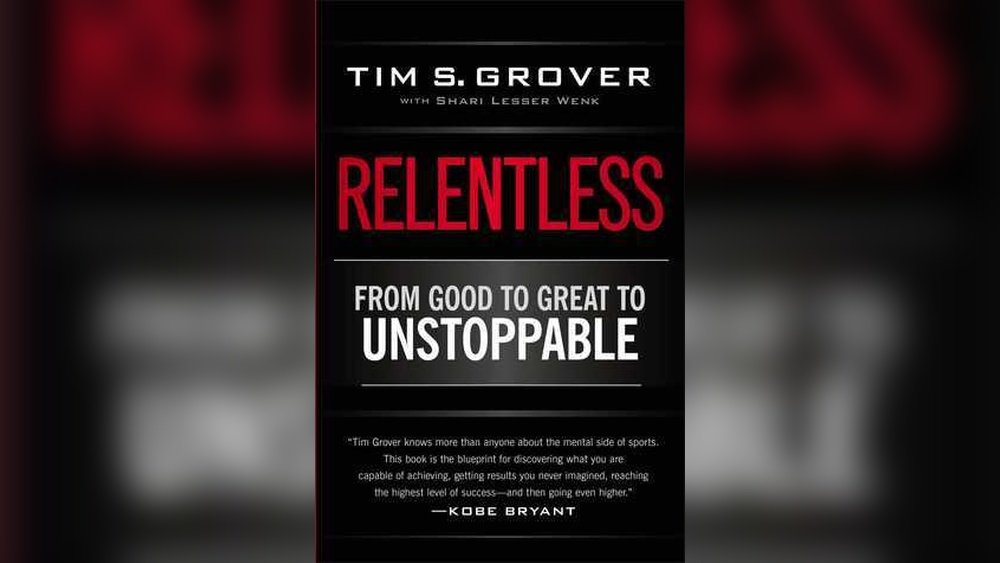
Every year, only about 0.012% of youth soccer players reach the professional level. That’s roughly 1 out of every 8,000. What separates stars like cristiano ronaldo or Lionel Messi isn’t just talent—it’s mindset. In Relentless, Tim Grover reveals the mental habits behind elite performance. Grover, who trained legends like Michael Jordan and Kobe Bryant, shows that greatness is not an accident. It’s a choice, repeated every day. The book is full of stories that show how true champions push past comfort, ignore distractions, and build their own paths to the top. It’s not about luck or a few lucky breaks—it’s about daily decisions, even when no one is watching.
Audible Premium Plus Promo
★★★★★
FREE
Your first audiobook is free —
keep it forever, even if you cancel.
Start a 30-day trial and pick any elite football biography, tactics deep-dive, or sports mindset book from 700,000+ titles. That book is yours to keep, zero strings attached.
Perfect for the gym & commute
Free book stays forever
Cancel anytime
Claim My FREE Audiobook
Secure · No commitment
Your first audiobook is free —
keep it forever, even if you cancel.
Start a 30-day trial and pick any elite football biography, tactics deep-dive, or sports mindset book from 700,000+ titles. That book is yours to keep, zero strings attached.
Core Ideas From Relentless
Relentless breaks down what it means to think, act, and compete like the best. Grover’s lessons are about more than basketball—they apply to any sport, especially soccer. He says elite athletes are not born “coolers,” “closers,” or “cleaners.” They become them through actions and mindset. Grover stresses that you can grow into these roles by changing how you approach practice, setbacks, and even success. Many young athletes think success is about natural skill, but Grover disagrees. He insists it’s about how you handle pressure, deal with failure, and stay focused on your ultimate goal.
| Type | Description | Soccer Example |
|---|---|---|
| Cooler | Does well, follows others’ lead | Solid midfielder, rarely takes risks |
| Closer | Handles pressure, finishes games | Penalty taker in finals—think Luka Modrić |
| Cleaner | Sets the standard, wins consistently | Cristiano Ronaldo raising performance every match |
The Cleaner Mentality
Grover’s top category is the Cleaner. Cleaners don’t just play to win—they expect to dominate. They thrive under pressure and never accept “good enough.” In soccer, this is the forward who scores when it matters most, or the captain who lifts a struggling team. Cleaners shape the culture of the team. They demand more from themselves and quietly set the pace for everyone else. Even when the team is losing, Cleaners focus on what they can control. They look for the next opportunity to make an impact, not excuses. Cleaners like Ronaldo often set new records, but what makes them different is their hunger to do it again and again, never resting on past success.
Chapter Breakdown: Lessons For Soccer Players
Trust Your Obsession
Grover argues that obsession is not a weakness. Elite players are obsessed with winning and improving. For example, Cristiano Ronaldo is famous for training hours after his teammates leave. In Relentless, Grover tells how Michael Jordan used small failures as fuel, never letting anything slide. Most people see obsession as unhealthy, but Grover says it’s the only way to reach the top. He describes how elite athletes analyze their diet, recovery, and even sleep patterns to gain an edge. They watch replays of their own games, looking for mistakes that most people ignore.
- Key insight: Obsession with details—diet, rest, recovery—separates the best.
- For soccer: Track your sprints, shots, and passes after each game. Small edges add up.
- Non-obvious tip: Write down what you did well and what you missed after every practice. Over time, you’ll see hidden patterns that help you improve faster than your peers.
Control Your Dark Side
Grover introduces the idea that every elite has a “dark side”—a drive others don’t understand. It’s not about being negative, but harnessing emotions for performance. Sometimes, it means using anger, frustration, or even jealousy to push yourself harder. Many parents and coaches tell players to “stay positive,” but Grover says real champions accept their full range of emotions.
- Example: Many top soccer players use criticism as motivation. zlatan ibrahimović famously said, “I eat criticism for breakfast.”
- Practical tip: Use negative moments—a missed goal, a tough loss—as reasons to train harder, not excuses to quit.
- Insight: If you’re always comfortable, you’re not growing. Allow yourself to feel upset, but then channel that energy into action. Some of the world’s best players turned early rejection or being cut from teams into fuel for their success.
Never Turn It Off
Cleaners keep their edge year-round. They don’t just work hard when the cameras are on. Grover writes that Kobe Bryant would practice at 4 am—even in the off-season. The best don’t wait for the season to improve; they look for chances every day.
They study new tactics, watch other leagues, and look for any way to get ahead. Cleaners even find ways to train when injured, focusing on mental skills or strategy.
- Soccer translation: Off-season is for growth. Review your FIFA stats, set new targets, and train when others rest.
- Non-obvious example: Watch how top players move without the ball—not just what they do when they have it. Learn from their anticipation and reading of the game. This separates advanced players from the rest.
| Do | Don’t |
|---|---|
| Use setbacks as motivation | Blame teammates or refs for losses |
| Set clear, daily goals | Rely only on talent |
| Analyze your own performance | Ignore mistakes |

Credit: www.youtube.com
Why Audio Beats Print For Relentless
Listening to Relentless on Audible can be more powerful than reading. The energy in Grover’s voice pushes you to take action. Many athletes listen to audiobooks while training, making lessons stick better. Some say they feel like Grover is coaching them directly, which can help you remember key ideas in tough moments—like before a big game or after a hard loss.
- Practical reason: You can listen while running or driving to practice.
- Science: People remember stories and lessons more when they hear them, according to research from the Journal of Verbal Learning and Verbal Behavior.
- Tip: Try listening to a key chapter before training. It can shift your mindset from “just another practice” to “time to level up.” Some athletes use short audio notes or motivational speeches to boost focus before games.
Key Takeaways For Soccer Players
relentless Takeaways:
- mindset Is As Important As Skills
- small, Daily Habits Create Stars
- obsession Leads To Breakthroughs
- pressure Is A Privilege For The Best
- growth Happens Outside Your Comfort Zone

Credit: www.amazon.com
Player Analogies: Relentless In Action
Think of N’Golo Kanté. He wasn’t born a star. His work rate and discipline made him a world champion. Or consider Megan Rapinoe—she pushes her limits, speaks up, and owns big moments. Both are examples of Grover’s mindset in real life. These players prove that you don’t need to be flashy to be relentless. Kanté’s quiet style and consistent effort often go unnoticed by casual fans, but coaches and teammates know he is the backbone of the team.
Another example is Virgil van Dijk. He was not rated highly as a young player, but his focus on improvement and leadership turned him into one of the world’s best defenders. He leads by example, both on and off the pitch. These athletes show that “relentless” is a way of life, not a one-time effort.
| Player | Relentless Trait | Impact |
|---|---|---|
| Cristiano Ronaldo | Obsession with improvement | Wins across leagues, late-career dominance |
| Megan Rapinoe | Performs under pressure | World Cup heroics |
| N’Golo Kanté | Consistency and humility | Key role in club and country victories |
| Virgil van Dijk | Leadership and focus | Transformed defenses, led teams to titles |
Frequently Asked Questions
What Does Tim Grover Mean By “relentless”?
Grover means never settling for average. Being “relentless” is about pushing yourself when others stop, and never being satisfied with just being good. He believes relentless people always look for the next challenge and never waste time blaming circumstances. It’s a refusal to be distracted or discouraged by failure.
Can The Relentless Mindset Help Youth Soccer Players?
Yes. Starting young with strong habits—like reviewing every performance—builds resilience and confidence, which are as critical as skill. Even if you’re not the biggest or fastest, you can outwork and outthink others by applying the Relentless approach. Coaches notice players who show up early, ask questions, and respond to setbacks with action.
How Can I Develop A Relentless Mindset In Daily Soccer Training?
Set a small goal each day. Track your progress, learn from mistakes, and don’t let setbacks slow you down. Consistency is key. For example, try to improve your non-dominant foot or aim for one extra sprint each session. Over time, these habits become automatic, and your confidence grows.
Is The Audiobook Version Better Than The Print For Athletes?
For most, yes. You can listen during workouts, and Grover’s tone adds motivation. But some prefer print for note-taking. If you learn best by listening or want extra motivation, the audiobook is a strong choice. For deep study, use both formats—listen first, then review key points in print.
What Is One Common Mistake Soccer Players Make That Relentless Can Fix?
Many focus only on talent, not attitude. Relentless shows that mindset and discipline are what separate the good from the great. Another mistake is fearing mistakes—Grover teaches that setbacks are part of the journey, not reasons to give up.
Relentless isn’t just a book—it’s a blueprint for how to think, act, and win like the elite. If you’re serious about soccer, this mindset can be your edge. The real difference is not just how much you want it, but how far you’re willing to go, every single day, to make it happen.

Credit: marloyonocruz.com