Key Takeaway & Executive Summary
Understanding Football Tactics Books: Why 0 explores the deep cultural, tactical, and emotional dimensions of global football. Our editorial analysis highlights essential takeaways, historical significance, and why every devoted fan should add this to their reading list.
Few things in football split fans more than a 0-0 draw. Many see it as boring—a waste of ninety minutes and popcorn. But if you know the tactical secrets behind these matches, a goalless game can be pure drama. Just ask pep guardiola, who said, “Sometimes the 0-0 is the most beautiful.” In the 2018 FIFA World Cup, there were eight 0-0 draws—each filled with tension, clever defending, and strategic battles.
🎧 Official Audio Edition · 100% Free
Listen to the Complete Audio Version Free
You can listen to this complete football audiobook for free with an Audible 30-day trial. The book is yours to keep forever — even if you cancel anytime.
Listen to the Complete Audio Version Free
You can listen to this complete football audiobook for free with an Audible 30-day trial. The book is yours to keep forever — even if you cancel anytime.
If you want to unlock the excitement hidden in these so-called dull matches, you need to read the right tactical books. Here are five that will change how you watch 0-0 draws. You’ll see the pitch differently, spot hidden battles, and enjoy every chess move.
Let’s kick off.
1. “inverting The Pyramid” By Jonathan Wilson
Best For: Understanding Tactical History
This book is legendary among football fans. Jonathan Wilson maps out how tactics evolved—from classic formations to complex systems like tiki-taka. He explains why teams sometimes play for a draw, and how defensive setups create tension. After reading, you’ll notice:
- The subtle moves defenders use to block passing lanes
- How midfielders set traps for attackers
- Why some managers use the low block and counter only when necessary
Quick summary: The book starts in the early 1900s and goes up to modern tactics. Wilson uses real matches, like the 1974 world cup final, to show how teams controlled games without scoring.
Why listen: The audio version helps you catch tactical terms and player names, making it easier for non-native speakers.
Key Takeaways Box
- See how tactical history shapes modern 0-0 games.
- Spot defensive patterns and compact formations.
- Understand why teams sometimes value the clean sheet over attacking.
2. “zonal Marking” By Michael Cox
Best For: Spotting Tactical Trends
Michael Cox explores how different countries use tactics. His book covers how Italian teams mastered catenaccio (tight defense), while German sides focus on pressing. Cox explains why 0-0 draws are common in big tournaments—teams fear mistakes, so they defend deep.
Quick summary: Cox breaks down the Champions League, Premier League, and World Cup matches. He shows how managers shift their tactics based on culture and opponent.
Why listen: Audio helps you catch the rhythm of tactical shifts, and you can replay tough sections for clarity.
Comparison Table: “zonal Marking” Vs “inverting The Pyramid”
| Book | Focus | Best for | Style |
|---|---|---|---|
| inverting the pyramid | Tactical history | Formation changes | Chronological, detailed |
| Zonal Marking | National tactics | Game trends | Theme-based, modern |
Key Takeaways Box
- Learn why teams adapt defensive styles based on country.
- Spot pressing and zonal marking during goalless games.
- Understand the risk-averse mentality in tournament football.
3. “the Mixer” By Michael Cox
Best For: Premier League Tactical Battles
Another hit by Cox, “The Mixer” focuses on English football. It explains why the Premier League has many tight games, especially between top teams. Cox shows how managers like Jose Mourinho and Sam Allardyce use defensive setups to grind out 0-0 draws.
Quick summary: The book reviews key matches from the last twenty years. It highlights how tactical changes—like three at the back or deep midfield pivots—turn attacking teams into defensive walls.
Why listen: Audio lets you follow tactical shifts without getting lost in diagrams.
Example: Chelsea Vs Manchester United (2017)
Chelsea’s defense, led by N’Golo Kante, blocked United’s attacks. Both teams waited for mistakes. The game ended 0-0, but the tactical fight was electric.
Key Takeaways Box
- Spot defensive adjustments between big teams.
- Understand how managers use subs to change tactics late in games.
- See why tactical discipline can be more exciting than goals.
4. “soccer Tactical Analysis” By Tifo Football
Best For: Visual Learners And Tactical Diagrams
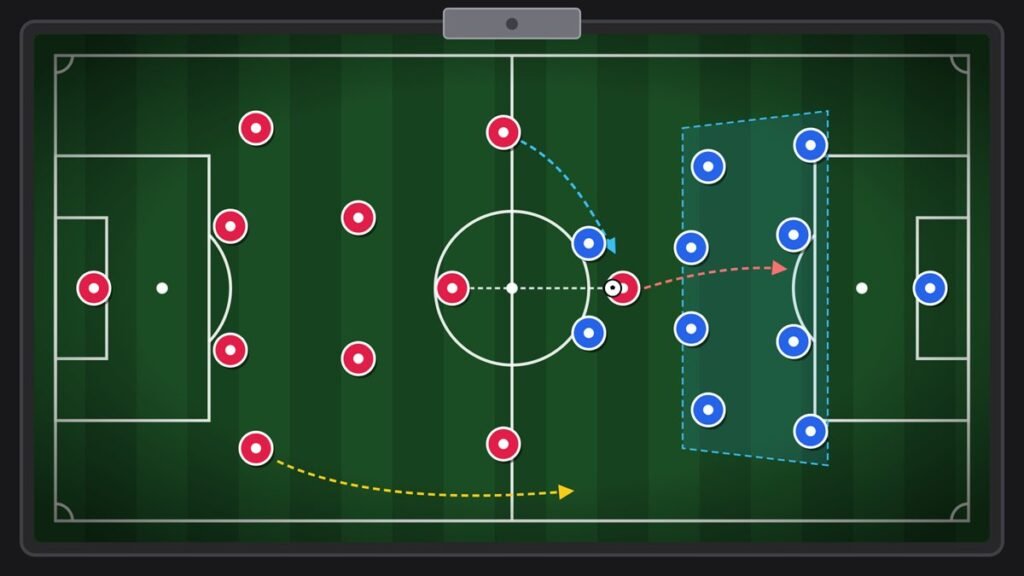
This book (and its YouTube channel) breaks down tactical concepts with clear visuals. It explains pressing, transitions, and defensive blocks. For 0-0 draws, Tifo shows how teams defend as a unit and use tactical fouls to stop attacks.
Quick summary: The book covers real games and uses diagrams to show why teams often choose safe passes over risky attacks.
Why listen: The audio version pairs well with the channel’s videos, so you can learn by seeing and hearing.
Comparison Table: Tifo Football Vs The Mixer
| Book/Channel | Learning Style | Best for | Unique Feature |
|---|---|---|---|
| Tifo Football | Visual/audio | Tactical diagrams | YouTube integration |
| The Mixer | Audio/text | premier league tactics | Match analysis |
Key Takeaways Box
- Use diagrams to understand tactical blocks.
- Spot team shape changes in real time.
- Learn why tactical fouls matter in goalless games.
5. “the Expected Goals Philosophy” By James Tippett
Best For: Stat Lovers And Modern Analytics
This book changes how you see 0-0 draws. Tippett explains expected goals (xG)—a stat that measures the quality of chances. Sometimes, games end 0-0 even though both teams created many dangerous moments. By tracking xG, you can see which team “won” the tactical battle, even without goals.
Quick summary: Tippett uses real data from Premier League and World Cup matches to show how xG predicts game outcomes. He explains why fans should celebrate good defending.
Why listen: Audio helps you digest stats and makes the numbers less intimidating.
Example: Brighton Vs Leeds (2021)
Both teams had high xG, but the match finished 0-0. The defensive performances were world-class, with goalkeepers and defenders blocking every shot.
Key Takeaways Box
- Learn to judge matches by chance quality, not just score.
- See why defensive skill is as important as attacking.
- Use xG to spot tactical battles hidden from casual fans.
How These Books Change Your Soccer Viewing
After reading these five books, you’ll spot tactical patterns, defensive tricks, and subtle battles in every 0-0 draw. You’ll see the game like a coach—every move matters, every decision is drama. The books also show why managers sometimes choose caution over risk, especially in big tournaments.
Pro Tips For Watching 0-0 Draws
- Watch the midfield: This is where most tactical battles happen.
- Track defensive lines: How teams shift and cover space is key.
- Notice substitutions: Managers change tactics late in games to chase a result or secure a draw.
- Use xG stats: Find out which team created better chances, even if nobody scored.
Do’s And Don’ts: Enjoying Tactical Football
| Do’s | Don’ts |
|---|---|
| Focus on team shape and movement | Ignore defensive skills |
| Use xG to spot hidden drama | Judge games only by goals |
| Pay attention to substitutions | Miss tactical adjustments |
Actionable Takeaways For Fans
- Read at least one tactical book from the list—start with “Inverting the Pyramid” for history, or “Expected Goals Philosophy” for stats.
- Watch games with a notebook—write down tactical shifts, substitutions, and defensive patterns.
- Join forums and social media groups focused on tactics; discuss matches with other fans.
- Use audio versions if English is hard—hearing terms helps you understand faster.
Frequently Asked Questions
Why Do Teams Play For 0-0 Draws?
Teams often play for a draw when they need a point to qualify, avoid risk, or face a strong opponent. Defensive tactics help secure results in big tournaments.
Are 0-0 Draws Boring For Casual Fans?
For casual fans, they can seem boring. But if you learn to spot tactical battles, you’ll see drama and skill in every minute. Reading tactical books helps.
What Is “expected Goals (xg)” And How Does It Relate To 0-0 Matches?
Expected goals measure how likely a chance will result in a goal. In 0-0 games, xG shows which team was more dangerous, even if the score stayed level.
Who Are The Best Managers For Tactical 0-0 Games?
Managers like Jose Mourinho, Diego Simeone, and Carlo Ancelotti are famous for tactical discipline. They often grind out draws against top teams.
Where Can I Learn More About Football Tactics Online?
You can learn from YouTube channels like Tifo Football, podcasts, and tactical websites. For deeper reading, check out Wikipedia’s tactics page.
Why is this topic significant for football enthusiasts?
It provides deep historical context and tactical insight that enrich your understanding and enjoyment of the beautiful game.