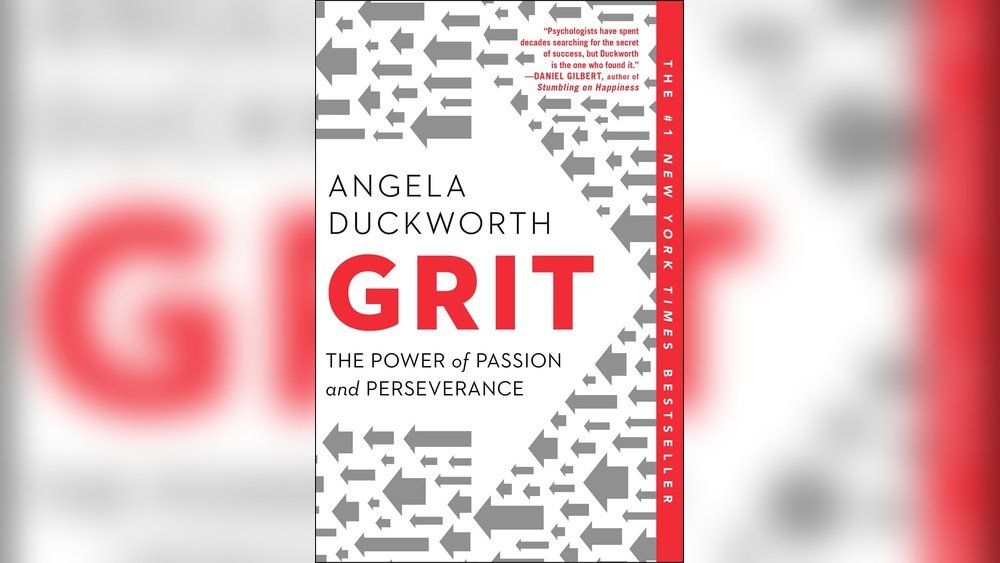
Grit by Angela Duckworth: Summary Review & Takeaways for Soccer Coaches
Lionel Messi once said, “You have to fight to reach your dream. You have to sacrifice and work hard for it.” In soccer, talent gets attention, but grit is what wins championships. A study from FIFA’s Technical Report showed that teams with higher resilience often outperform favorites in knockout stages. Angela Duckworth’s book “Grit” explores why passion and perseverance matter more than raw talent — an idea every soccer coach should understand.
While skill and tactics are important, Duckworth’s research shows that mental attitude makes the biggest difference over time. Coaches who understand grit can help their players push through difficult times, recover from setbacks, and develop habits that lead to long-term success.
Whether you coach youth teams or professionals, the lessons from “Grit” offer powerful ways to shape your team’s mindset and results.
Audible Premium Plus Promo
★★★★★
FREE
Your first audiobook is free —
keep it forever, even if you cancel.
Start a 30-day trial and pick any elite football biography, tactics deep-dive, or sports mindset book from 700,000+ titles. That book is yours to keep, zero strings attached.
Perfect for the gym & commute
Free book stays forever
Cancel anytime
Claim My FREE Audiobook
Secure · No commitment
Your first audiobook is free —
keep it forever, even if you cancel.
Start a 30-day trial and pick any elite football biography, tactics deep-dive, or sports mindset book from 700,000+ titles. That book is yours to keep, zero strings attached.
What Is Grit? Core Concept For Soccer Coaches
Duckworth defines grit as a blend of passion and perseverance for long-term goals. She argues that those who stick with their training, learning, and improvement — even after setbacks — reach higher levels than those relying on skill alone. In soccer, this means players who keep pushing after mistakes, injuries, or tough losses often become leaders on and off the pitch.
Key facts from Duckworth’s research:
- Grit predicts success better than IQ or talent.
- Top performers practice deliberately, not just frequently.
- Teams with gritty players respond better to adversity.
Soccer is full of moments when players must decide: give up or keep going? A gritty player is the one who keeps running, even when tired or behind on the scoreboard. Coaches can spot grit during training — the player who finishes every sprint, asks for extra feedback, or bounces back quickly after being substituted shows this mindset. Grit is not flashy, but it’s often the difference between a good player and a great one.
Book Breakdown: Key Chapters & Soccer Lessons
Duckworth’s book is rich in stories and data. Let’s break down the main chapters and relate them to the soccer world.
Chapter 1: The Power Of Perseverance
Duckworth shows that perseverance is more critical than talent. Soccer example: Jamie Vardy started in non-league football and became a premier league star by refusing to quit.
Perseverance in soccer is often seen in players who recover from injuries or bench time. For example, some defenders might not have the natural speed of a winger, but by training harder and analyzing their own games, they make up for it with smart positioning and work rate.
Duckworth’s stories remind coaches that improvement is always possible, even for those who don’t start as the most talented.
Chapter 2: Growing Grit From The Inside
This chapter covers building grit through self-reflection and goal-setting. Coaches can help players develop personal routines, like journaling after each match to track progress.
Duckworth suggests that grit isn’t fixed — players can grow it with the right mindset. Soccer coaches might encourage players to set small weekly goals, such as improving a weak foot or learning a new skill move. Over time, these small challenges build self-confidence and mental strength. Coaches can also ask reflective questions: What did you learn from today’s game? What will you try differently next time?
Chapter 3: Grit In Practice
Duckworth explains deliberate practice — focusing on weaknesses, getting feedback, and repeating until improvement. For soccer, think of a midfielder working specifically on passing under pressure.
Deliberate practice is different from just playing or going through the motions. A striker may shoot 100 times in a session, but real progress comes from breaking down technique, listening to feedback, and fixing errors one by one. Coaches can create drills that simulate real match pressure — for example, practicing penalties with teammates watching — to build both skill and mental toughness.
Duckworth’s research shows that even small, regular steps lead to big results over a season.
Chapter 4: Grit As A Team Culture
Here, Duckworth shows that groups can share grit. Coaches who praise effort, not just wins, create an environment where every player feels safe to push themselves. Example: Jurgen Klopp’s Liverpool emphasizes resilience and teamwork.
Team culture is visible in how players react to setbacks. When mistakes happen, gritty teams regroup quickly, support each other, and refocus on the next challenge. Coaches can build this by celebrating small wins in training, encouraging players to share their struggles, and showing that effort is valued as much as outcomes.
A gritty team is one where no one gives up — even when things go wrong.

Credit: www.performpodcast.com
How Grit Changes Player Performance
Grit isn’t just about individual attitude. It affects team dynamics, training habits, and match results. Duckworth’s findings fit perfectly with soccer coaching philosophies:
- Players with high grit recover faster from mistakes.
- Gritty teams handle pressure better in penalty shootouts.
- Coaches who teach grit see longer-lasting motivation.
During high-pressure moments, like a cup final or a penalty shootout, it’s often not the most talented player who steps up, but the one who has practiced under pressure, stayed focused, and handled disappointment before. Gritty players are also more likely to encourage teammates, creating a positive feedback loop for the whole team.
Over a season, these habits lead to fewer collapses after a bad half and more comebacks from losing positions.
| Player Trait | Impact on Game |
|---|---|
| Grit | Better recovery after setbacks |
| Talent | Strong technical skills, but can lose focus under pressure |
| Motivation | Short bursts of energy, often fades without grit |
One insight coaches often miss is that motivation and grit are not the same. Motivation is what gets players started, but grit is what keeps them going, especially when the excitement fades. Another key point: teams with shared grit tend to bounce back quickly after losses, using defeat as a lesson rather than a reason to give up.
Practical Takeaways For Soccer Coaches
Duckworth’s research gives coaches actionable strategies:
- Reward effort, not just outcome. Praise players for consistent training and persistence.
- Set clear long-term goals. Help each player define their soccer ambitions beyond winning the next game.
- Encourage deliberate practice. Make every drill purposeful. Focus on weaknesses, not just strengths.
- Build a culture of resilience. Share stories of gritty athletes. Use setbacks as teaching moments.
Coaches can also run regular team meetings where players talk openly about challenges and how they overcame them. This helps normalize struggle and builds trust. Another tip: rotate leadership roles in training sessions. Let different players lead drills or warm-ups. This teaches responsibility, boosts confidence, and shows that everyone can contribute to team grit.
| Do’s | Don’ts |
|---|---|
| Praise effort and persistence | Only reward wins or goals |
| Encourage learning from mistakes | Criticize errors without feedback |
| Promote teamwork and resilience | Focus only on individual talent |
One mistake coaches sometimes make is focusing only on results. When players see that mistakes are just steps toward growth, they play with more freedom and less fear. That’s when true improvement happens.

Credit: thrivinglittlethinkers.com
Audio Vs Print: Why Coaches Should Listen, Not Just Read
Many coaches prefer audiobooks for convenience. Listening to “Grit” on platforms like Audible lets you absorb ideas during commutes or workouts. Duckworth’s narration adds emotional nuance, helping coaches connect with the material.
Benefits of audio:
- Hear real-life stories in Duckworth’s own voice.
- Multitask while learning.
- Better retention for busy coaches.
Audio can also be shared with assistant coaches or even players, sparking team discussions about grit and resilience. Sometimes, hearing a story told with emotion is more memorable than reading a summary. Coaches might listen together during travel to away games, making the lessons a part of team culture.
For more on the science behind grit, visit Wikipedia.
Key Takeaways For Soccer Coaches
takeaways:
- Grit matters more than talent over a full season.
- Coaches must model perseverance and encourage it daily.
- Deliberate practice leads to consistent improvement.
- Team culture shapes grit, not just individual attitude.
- Listening to “Grit” can inspire actionable change.
Grit isn’t something coaches can demand; it must be developed over time. By modeling perseverance themselves — showing up early, continuing to learn, and staying positive after losses — coaches teach by example. Over time, this attitude filters down through the whole squad, leading to a team that fights for every result.

Credit: www.goodreads.com
Frequently Asked Questions
What Is The Main Idea Of “grit” For Soccer Coaches?
Grit is the combination of passion and perseverance. Soccer coaches can use it to develop players who keep improving, even after losses or setbacks.
How Can Coaches Measure Grit In Their Team?
Look for players who persist through tough drills, recover from mistakes, and show commitment over months — not just weeks.
You can also observe who volunteers for extra training or helps teammates after a tough session. These small actions are signs that a player is developing grit, and they often lead to bigger improvements later on.
Does Grit Beat Talent In Soccer?
Over the long term, yes. Talented players may shine early, but gritty players keep progressing and handle pressure better.
Many teams have seen talented players lose motivation after setbacks, while those with grit find ways to adapt and improve. Gritty players often inspire others, raising the entire team’s level.
Can You Teach Grit, Or Is It Natural?
Grit can be developed. Coaches play a key role by rewarding effort, sharing resilient stories, and creating a safe space for learning.
Small interventions, like asking players to reflect on their effort or holding regular feedback sessions, can make a big difference. Over time, these habits build a culture where grit grows naturally.
What’s The Best Way For Coaches To Learn From “grit”?
Listening to the audiobook is practical. It’s easy to fit into your schedule and Duckworth’s voice brings key stories to life.
Some coaches also like to take notes or discuss key points with their staff. This helps turn ideas from the book into real changes on the training pitch.
Every soccer coach knows that skills and tactics matter. But Duckworth’s “Grit” shows that mental toughness and perseverance may be the edge your team needs. If you want a squad that fights for every ball, bounces back after tough losses, and grows together, start coaching for grit — and see the difference on match day.