

The FIFA World Cup 2026 will be the biggest yet, hosting 48 teams, 104 matches, and spanning three nations: the United States, Canada, and Mexico. With over 3.5 billion viewers in 2018, the tournament’s global reach is unmatched. “The World Cup is more than a game. It’s a festival of nations,” said Cristiano Ronaldo. Fans will flock to 16 iconic stadiums, each offering a unique atmosphere, history, and soccer experience.
Audible Premium Plus Promo
★★★★★
FREE
Your first audiobook is free —
keep it forever, even if you cancel.
Start a 30-day trial and pick any elite football biography, tactics deep-dive, or sports mindset book from 700,000+ titles. That book is yours to keep, zero strings attached.
Perfect for the gym & commute
Free book stays forever
Cancel anytime
Claim My FREE Audiobook
Secure · No commitment
Your first audiobook is free —
keep it forever, even if you cancel.
Start a 30-day trial and pick any elite football biography, tactics deep-dive, or sports mindset book from 700,000+ titles. That book is yours to keep, zero strings attached.
Let’s dive into the details of every World Cup 2026 venue, uncovering what makes each stadium special for fans and players alike.
1. Metlife Stadium (east Rutherford, New Jersey)
MetLife Stadium, located near New York City, is the largest venue for the 2026 World Cup, with a capacity of 82,500. Opened in 2010, it’s home to both the New York Giants and Jets. The stadium is known for its modern amenities, excellent sightlines, and easy access to public transportation.
- Pitch size: 105 x 68 meters
- Key matches: Expected to host the final
Fans can enjoy the vibrant city life just minutes away. However, the stadium’s artificial turf has sparked debate among purists. FIFA will require natural grass for the tournament.
2. At&t Stadium (arlington, Texas)
Nicknamed “Jerry’s World,” AT&T Stadium boasts a retractable roof and 80,000 seats. It’s famous for its gigantic HD video board and flexible field layout. Opened in 2009, it’s home to the Dallas Cowboys and has hosted major events, including Super Bowl XLV.
- Pitch size: 105 x 68 meters
- Atmosphere: Loud and energetic, thanks to Texas fans
Expect hot summer temperatures and a lively tailgate scene. The stadium’s size ensures plenty of tickets, but shade is limited during daytime games.
3. Sofi Stadium (inglewood, California)
SoFi Stadium sits in Los Angeles, offering 70,240 seats and a futuristic design. Opened in 2020, it’s home to the Rams and Chargers. The venue features a translucent roof and a spacious plaza for fan activities.
- Pitch: 105 x 68 meters, FIFA-mandated grass overlay
- Weather: Warm, mild summers
Its location near Hollywood means celebrity sightings and entertainment options. However, traffic can be intense—plan ahead.
4. Gillette Stadium (foxborough, Massachusetts)
Located between Boston and Providence, Gillette Stadium holds 65,878 fans. Home to the New England Patriots and Revolution, it opened in 2002. Known for its passionate Northeast crowds, the stadium offers good visibility and easy access from major highways.
- Pitch: 105 x 68 meters
- Challenge: Artificial turf, converted to grass for FIFA
The cold, rainy weather in early summer can surprise visitors. Fans recommend arriving early for tailgates.
5. Arrowhead Stadium (kansas City, Missouri)
Arrowhead Stadium is one of the loudest venues in the NFL, with 76,416 seats. Built in 1972, it’s home to the Kansas City Chiefs. Its bowl shape amplifies noise, making it intimidating for visiting teams.
- Pitch: 105 x 68 meters, grass surface
- Fan vibe: Barbecue and friendly Midwest energy
Kansas City’s central location means affordable flights and hotels. Still, humidity can be high in June and July.
6. Mercedes-benz Stadium (atlanta, Georgia)
This stadium is famous for its retractable roof and circular video board, seating 71,000. Opened in 2017, it hosts the Falcons and Atlanta United. The design allows for quick weather changes and a comfortable environment.
- Pitch: 105 x 68 meters, temporary grass overlay
- Fan scene: Diverse, lively crowds
Atlanta’s food culture shines here. The stadium’s unique architecture is a must-see, but parking can be pricey.
7. Nrg Stadium (houston, Texas)
NRG Stadium offers 72,220 seats and a retractable roof. Built in 2002, it’s home to the Texans and Dynamo. The venue has hosted Super Bowl LI and international soccer matches.
- Pitch: 105 x 68 meters, grass overlay
- Climate: Hot, humid summers
Houston’s multicultural scene brings flavor to matchdays. Fans should prepare for heat and occasional rain.
8. Levi’s Stadium (santa Clara, California)
Levi’s Stadium, near San Francisco, seats 68,500 and opened in 2014. Home to the 49ers, it’s known for its sustainable design and tech features.
- Pitch: 105 x 68 meters, natural grass
- Weather: Cool evenings, warm days
The stadium offers great food options and easy access to Silicon Valley. Be aware, the sun can be intense during afternoon games.
9. Lincoln Financial Field (philadelphia, Pennsylvania)
With 69,796 seats, this stadium is home to the Eagles and Union. Opened in 2003, it’s praised for its fan-friendly layout and strong Philadelphia spirit.
- Pitch: 105 x 68 meters, grass
- Atmosphere: Passionate, sometimes rowdy crowds
Fans recommend public transport due to limited parking. The city’s history adds extra charm to matchdays.
10. Hard Rock Stadium (miami Gardens, Florida)
Hard Rock Stadium hosts 65,326 fans and boasts a tropical vibe. Opened in 1987, it’s home to the Dolphins and Miami Inter. Renovations in 2016 added shade structures and improved amenities.
- Pitch: 105 x 68 meters, grass
- Weather: Hot, humid, possible rain
Miami’s party scene is legendary, but summer storms can affect games. Arrive early for the best experience.
11. Lumen Field (seattle, Washington)
Lumen Field, seating 68,740, is known for its loud fans and stunning city views. Opened in 2002, it’s home to the Seahawks and Sounders.
- Pitch: 105 x 68 meters, grass overlay
- Climate: Mild, rainy summers
Seattle’s soccer culture is strong. Fans should bring rain gear, as showers are common.
12. Estadio Azteca (mexico City, Mexico)
Estadio Azteca is a legendary venue with 87,523 seats, famous for hosting the 1970 and 1986 finals. Built in 1966, it’s home to Club América and the Mexican national team.
- Pitch: 105 x 68 meters, grass
- Altitude: 7,200 feet—affects player stamina
The stadium’s history and altitude make it unique. Air quality and altitude may challenge visiting teams.

Credit: www.zeemaps.com
13. Estadio Bbva (monterrey, Mexico)
With 53,500 seats, Estadio BBVA is the most modern Mexican venue, opened in 2015. It’s home to Monterrey and offers mountain views.
- Pitch: 105 x 68 meters, grass
- Weather: Hot, dry summers
Fans enjoy the open design and easy access to downtown. Hydration is key for players and fans alike.
14. Estadio Akron (guadalajara, Mexico)
Estadio Akron seats 49,000 and opened in 2010. Home to Guadalajara, it’s known for its wave-shaped roof and innovative architecture.
- Pitch: 105 x 68 meters, grass
- Atmosphere: Energetic, festive crowds
Guadalajara is famous for its soccer passion and friendly fans. Expect lively celebrations before and after matches.

Credit: www.collegesimplified.in
15. Bc Place (vancouver, Canada)
BC Place offers 54,500 seats and a retractable roof. Built in 1983 and renovated in 2011, it’s home to the Whitecaps and Lions.
- Pitch: 105 x 68 meters, grass overlay
- Weather: Mild, rainy
Fans love the waterfront location and easy access to downtown. Rain is common, so plan accordingly.
16. Bmo Field (toronto, Canada)
BMO Field is Canada’s most intimate World Cup venue, with 45,500 seats after expansion. Opened in 2007, it’s home to Toronto FC and the Argonauts.
- Pitch: 105 x 68 meters, grass
- Atmosphere: Friendly, multicultural crowds
Toronto offers a diverse fan experience and plenty of nearby attractions. Summer weather is generally pleasant.
—
Stadium Comparison: Capacity And Climate
Here’s a quick comparison of each stadium’s capacity and climate:
| Stadium | City | Capacity | Typical Climate |
|---|---|---|---|
| MetLife Stadium | East Rutherford | 82,500 | Warm, humid |
| AT&T Stadium | Arlington | 80,000 | Hot, dry |
| SoFi Stadium | Inglewood | 70,240 | Mild, warm |
| Gillette Stadium | Foxborough | 65,878 | Cool, rainy |
| Arrowhead Stadium | Kansas City | 76,416 | Hot, humid |
| Mercedes-Benz Stadium | Atlanta | 71,000 | Warm, humid |
| NRG Stadium | Houston | 72,220 | Hot, humid |
| Levi’s Stadium | Santa Clara | 68,500 | Warm, sunny |
| Lincoln Financial Field | Philadelphia | 69,796 | Warm, humid |
| Hard Rock Stadium | Miami Gardens | 65,326 | Hot, humid |
| Lumen Field | Seattle | 68,740 | Mild, rainy |
| Estadio Azteca | Mexico City | 87,523 | Warm, high altitude |
| Estadio BBVA | Monterrey | 53,500 | Hot, dry |
| Estadio Akron | Guadalajara | 49,000 | Warm, festive |
| BC Place | Vancouver | 54,500 | Mild, rainy |
| BMO Field | Toronto | 45,500 | Warm, pleasant |
Unique Stadium Features
Many stadiums have standout features that make them memorable for fans and players. Here are some of the best:
- MetLife Stadium: Largest venue, likely to host the final.
- Estadio Azteca: Historic World Cup site, high altitude.
- SoFi Stadium: Futuristic design, translucent roof.
- Mercedes-Benz Stadium: Circular video board, retractable roof.
- Arrowhead Stadium: Loudest crowd in North America.
- BC Place: Waterfront location, retractable roof.
Key Takeaways For World Cup Fans
- 16 Stadiums Across 3 Countries Offer Diverse Experiences.
- Many venues will convert artificial turf to natural grass for FIFA standards.
- Weather varies greatly—plan for heat, rain, or altitude, depending on venue.
- biggest Stadium: estadio Azteca (87,523 Seats).
- smallest Stadium: bmo Field (45,500 Seats).
- Unique features like retractable roofs, giant video boards, and historic sites add to the spectacle.
Stadium Surface: Grass Vs. Artificial Turf
Most North American stadiums use artificial turf for NFL and MLS games. For the World Cup, FIFA requires natural grass. Many venues will install temporary grass overlays. Here’s how the playing surface compares:
| Stadium | Normal Surface | World Cup Surface | Impact on Play |
|---|---|---|---|
| MetLife Stadium | Artificial turf | Natural grass overlay | Better ball control |
| SoFi Stadium | Artificial turf | Natural grass overlay | Fewer injuries |
| Gillette Stadium | Artificial turf | Natural grass overlay | More authentic game |
| Arrowhead Stadium | Grass | Grass | Consistent play |
| Estadio Azteca | Grass | Grass | Historic conditions |
| BC Place | Artificial turf | Natural grass overlay | Improved safety |
Pro tip: Artificial turf can change the bounce and speed of the ball. Players need time to adjust to grass overlays, especially if they’re used to synthetic surfaces.
Do’s And Don’ts For World Cup Stadium Visits
- do: Check The Stadium’s Weather Forecast And Dress Accordingly.
- Do: Use public transport in cities like Philadelphia and Los Angeles.
- do: Arrive Early For Tailgates And Fan Zones.
- don’t: Ignore Stadium Rules About Bags And Security Checks.
- don’t: Underestimate Altitude In Mexico City.
- don’t: Expect All Stadiums To Have Shade During Daytime Matches.
World Cup 2026 Stadiums: Not-so-obvious Insights
- Altitude challenge: Estadio Azteca’s high location forces teams to adapt their tactics and stamina. Visiting teams often struggle, especially in the second half.
- Fan experience: Stadiums in Canada will feature cooler climates and less humidity, which can be more comfortable for spectators but may slow game tempo compared to US and Mexico venues.
- Artificial turf conversion: Installing temporary grass overlays is expensive and can sometimes lead to uneven surfaces. Teams should train early to get used to the conditions.
- Noise factor: Arrowhead and Lumen Field are renowned for their loud supporters. This can disrupt communication on the pitch and influence referee decisions.
- Travel logistics: With venues spread across three countries, teams and fans must plan for long flights and changing time zones. Recovery and adaptation can affect match outcomes.
Stadiums By Country
Here’s a quick breakdown of stadiums per host nation:
| Country | Number of Venues | Unique Feature |
|---|---|---|
| United States | 11 | Largest stadium variety |
| Mexico | 3 | Historic sites |
| Canada | 2 | Waterfront locations |
Frequently Asked Questions
What Is The Largest Stadium For World Cup 2026?
Estadio Azteca in Mexico City, with 87,523 seats, is the largest and most iconic venue.
Will All Stadiums Have Natural Grass For The World Cup?
Yes. FIFA requires all matches to be played on natural grass. Many US and Canadian stadiums will install temporary overlays.
Which Stadium Will Host The World Cup Final?
While not confirmed, MetLife Stadium is the favorite for the final due to its size and location near New York City.
How Will Weather Impact Matches?
Weather varies by venue. Expect heat and humidity in Texas and Florida, rain in Seattle and Vancouver, and high altitude in Mexico City.
Are Tickets Easy To Get For All Venues?
Some stadiums (like MetLife and AT&T) have high capacity, making tickets more available. Smaller venues (like BMO Field) may sell out quickly.
—
With the 2026 World Cup set to break records, fans and teams will experience soccer like never before. From historic sites to modern marvels, each stadium promises unforgettable moments. Whether you’re chasing the final or enjoying a group match, smart planning and knowledge of the venues will elevate your World Cup experience.
For official stadium details and updates, visit Wikipedia.
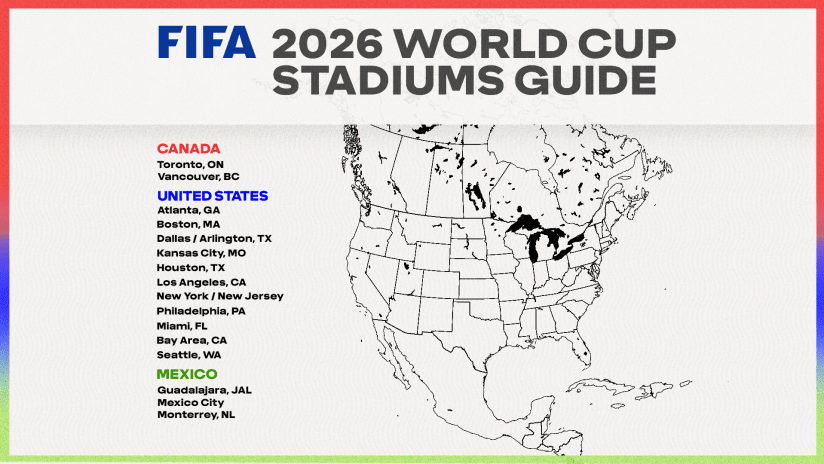
Credit: www.mlssoccer.com