

The FIFA World Cup is more than just a tournament—it’s a global stage where football tactics are revealed, tested, and sometimes rewritten. Since 1930, World Cup teams have changed how they play, using new ideas to win. In 2018, France’s compact defense led to only 6 goals conceded, showing how tactics can decide champions.
Pep Guardiola once said, “Tactics are the key. Players win games, but tactics win tournaments. ” Want to understand these changes and how teams find success? The best books on international football bring you inside the tactical evolution, revealing lessons, stories, and strategies from every era.
Audible Premium Plus Promo
★★★★★
FREE
Your first audiobook is free —
keep it forever, even if you cancel.
Start a 30-day trial and pick any elite football biography, tactics deep-dive, or sports mindset book from 700,000+ titles. That book is yours to keep, zero strings attached.
Perfect for the gym & commute
Free book stays forever
Cancel anytime
Claim My FREE Audiobook
Secure · No commitment
Your first audiobook is free —
keep it forever, even if you cancel.
Start a 30-day trial and pick any elite football biography, tactics deep-dive, or sports mindset book from 700,000+ titles. That book is yours to keep, zero strings attached.
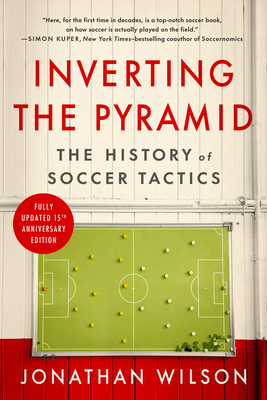
1. Inverting The Pyramid: The History Of Football Tactics By Jonathan Wilson
Best for: Deep tactical history, clear explanations
Why listen: Wilson’s book is the gold standard for understanding tactical changes across World Cups.
“Inverting the Pyramid” starts with early football, moving through formations like the WM and the 4-4-2. Wilson explains how countries like Brazil, Germany, and Italy developed styles that shaped World Cup outcomes. The book covers key moments—like the Dutch Total Football revolution in 1974 and how Spain’s tiki-taka dominated in 2010. Wilson uses real matches to show how tactics evolved, making complex ideas easy to follow.
Quick summary:
- Covers tactical changes from 1800s to now
- Explains how teams adapted to new challenges
- Uses player stories and match data for clarity
2. Zonal Marking: The Making Of Modern European Football By Michael Cox
Best for: European tactical trends, modern analysis
Why listen: Cox breaks down how European nations shaped modern tactics—especially in World Cups.
“Zonal Marking” explains how teams moved from old man-marking to zonal systems. Cox connects tactical choices to big results: for example, Germany’s switch to fast pressing in 2014 led to a record 7-1 win against Brazil. The book explores how coaches like Arrigo Sacchi and Joachim Löw changed the game, and why their ideas matter for today’s teams.
Quick summary:
- Focuses on tactics from 1990s to present
- Shows how World Cup matches influenced club football
- Highlights key coaches and tactical shifts

Credit: www.strandbooks.com
3. The Mixer: The Story Of Premier League Tactics, From Route One To False Nines By Michael Cox
Best for: Understanding club-to-country tactical influence
Why listen: Cox connects Premier League trends to World Cup strategies.
While “The Mixer” is about English club football, it explains how tactics like the false nine and aggressive pressing moved into international play. Players like Harry Kane and Raheem Sterling use these ideas for England. The book shows how World Cup teams borrow from club football, making it easy to spot tactical patterns.
Quick summary:
- Explains tactical shifts in England
- Shows links between club and World Cup play
- Makes complex tactics simple with clear examples
4. Brilliant Orange: The Neurotic Genius Of Dutch Football By David Winner
Best for: Total Football, Dutch innovation
Why listen: Winner’s book dives deep into the Netherlands’ unique approach, especially in World Cups.
“Brilliant Orange” explores how Dutch culture shaped their football style. The book covers the 1974 World Cup, where the Netherlands used Total Football—players switched positions freely, confusing opponents. Winner also explains why the Dutch sometimes fail, showing tactical risks and rewards.
Quick summary:
- Focuses on Dutch tactics and culture
- Explains Total Football’s impact
- Uses real World Cup examples
5. Futebol: The Brazilian Way Of Life By Alex Bellos
Best for: Brazilian style, attacking tactics
Why listen: Bellos brings Brazil’s tactical history to life with stories and stats.
“Futebol” tells how Brazil built their famous samba style. The book covers World Cups from 1958 to 2002, showing how stars like Pelé and Ronaldo used skill and movement to win. Bellos explains how Brazil’s tactics mix creativity and discipline, and why their approach is so hard to beat.
Quick summary:
- Covers Brazil’s tactical evolution
- Uses stories, interviews, and stats
- Explains why Brazil’s style wins World Cups
6. The Anatomy Of England: A History In Ten Matches By Jonathan Wilson
Best for: England’s tactical highs and lows
Why listen: Wilson uses ten key matches to explain England’s World Cup tactics.
“The Anatomy of England” picks famous games, like the 1966 final and the penalty heartbreak of 1990. Wilson shows how England’s tactics changed—sometimes for the better, sometimes leading to failure. The book helps readers understand why tactics matter so much for national teams.
Quick summary:
- Focuses on England’s tactical journey
- Uses match analysis and player stories
- Explains successes and mistakes

Credit: www.amazon.com
7. Soccernomics By Simon Kuper & Stefan Szymanski
Best for: Data-driven insights, off-field factors
Why listen: “Soccernomics” mixes stats and stories to explain why some teams win World Cups.
The book uses numbers to show patterns—like why penalties cause heartbreak, or why teams from richer countries often do better. Kuper and Szymanski also explain how coaches use data to shape tactics. The 2018 World Cup is a clear example: France used analytics to balance defense and attack.
Quick summary:
- Explains tactical choices with data
- Covers psychology, economics, and strategy
- Highlights real World Cup trends
8. The Numbers Game: Why Everything You Know About Football Is Wrong By Chris Anderson & David Sally
Best for: Advanced stats, tactical myths
Why listen: This book shows how data changes tactical decisions in World Cups.
Anderson and Sally break down common myths—like “possession wins games.” They use real World Cup stats to show what really works. For example, teams that create more clear chances are more likely to win, even if they don’t have much possession. The book is great for fans who want to understand tactics beyond basic ideas.
Quick summary:
- Uses stats to explain tactics
- Debunks football myths
- Offers practical lessons from World Cups
9. The Immortals: The Story Of Brazil’s 1970 World Cup Team By David Tossell
Best for: Classic tactical analysis, legendary teams
Why listen: Tossell’s book tells the story of Brazil’s 1970 team, considered the greatest ever.
“The Immortals” explains how Brazil combined skill, movement, and tactical discipline. The book covers how coach Mario Zagallo used a flexible formation, letting stars like Pelé and Carlos Alberto shine. Tossell also shows how tactics changed after the 1970 World Cup, affecting teams around the world.
Quick summary:
- Focuses on Brazil’s 1970 tactics
- Explains how flexibility won the Cup
- Shows impact on global football
10. Das Reboot: How German Football Reinvented Itself And Conquered The World By Raphael Honigstein
Best for: Modern tactical rebuilding, German lessons
Why listen: Honigstein explains how Germany rebuilt its tactics to win the 2014 World Cup.
“Das Reboot” tells how Germany changed its training, style, and tactics after failing in 2000. The book covers how coaches like Jürgen Klinsmann and Joachim Löw used new ideas—pressing, ball movement, and flexible formations. Germany’s 2014 win was the result of this tactical evolution.
Quick summary:
- Explains Germany’s tactical changes
- Covers training, player development, and match strategy
- Shows how rebuilding leads to success
11. World Cup: The Story Of The Fifa World Cup By Keir Radnedge
Best for: All-round World Cup history, accessible stories
Why listen: Radnedge’s book covers every World Cup, focusing on tactical highlights.
“World Cup” explains how tactics changed in each tournament, using famous matches and players. It’s easy to follow and has lots of photos and diagrams. The book helps readers spot tactical trends, making it perfect for beginners.
Quick summary:
- Covers every World Cup
- Highlights key tactical moments
- Easy to read, full of stories
12. The Age Of Football: Soccer And The 21st Century By David Goldblatt
Best for: 21st-century tactics, global trends
Why listen: Goldblatt shows how tactics changed after 2000, with new ideas and technology.
“The Age of Football” explores how teams use data, video, and new training methods. Goldblatt explains how World Cup tactics now mix old ideas with new science. He covers teams like Spain and France, showing how they use modern tactics to win.
Quick summary:
- Focuses on recent tactical changes
- Explains technology’s impact
- Covers global trends in World Cup play
13. The Barcelona Legacy: Guardiola, Mourinho, And The Fight For Football’s Soul By Jonathan Wilson
Best for: Club-to-country tactical battles
Why listen: Wilson explains how club coaches like Guardiola and Mourinho shaped World Cup tactics.
“The Barcelona Legacy” shows how club ideas moved into international football. Wilson covers the 2010 and 2014 World Cups, explaining how tactics like possession play and counter-attacking became key for national teams.
Quick summary:
- Explains club influence on World Cup tactics
- Covers tactical battles between coaches
- Uses real matches and player stories
14. The Italian Job: How Italian Football Reinvented Itself By Gianluca Vialli & Gabriele Marcotti
Best for: Italian tactical defense, national culture
Why listen: Vialli and Marcotti tell how Italy uses defensive tactics to win World Cups.
“The Italian Job” explains why catenaccio (door-bolt defense) worked for Italy in tournaments. The book uses World Cup examples, like the 1982 and 2006 wins, to show how tactical discipline makes Italy hard to beat. It also explains how Italian culture shapes tactics.
Quick summary:
- Focuses on Italian defensive tactics
- Uses real World Cup matches
- Explains culture’s role in tactical choices
15. The Real Madrid Way: How Real Madrid Conquered Europe And The World By Steven G. Mandis
Best for: Club-to-country tactical influence, Spanish style
Why listen: Mandis shows how Real Madrid’s tactics influence Spain’s national team.
“The Real Madrid Way” explains how the club’s attacking style helped Spain win the 2010 World Cup. Mandis covers formation changes, player roles, and how club ideas move into international play. The book makes tactical lessons clear for fans.
Quick summary:
- Explains Real Madrid’s tactical impact
- Shows links to Spain’s World Cup wins
- Uses real matches and stats
16. The Greatest Game: The Mexico 1970 World Cup By David Tossell
Best for: Classic World Cup tactics, tournament stories
Why listen: Tossell’s book covers tactical highlights from the 1970 World Cup.
“The Greatest Game” explains how teams like Brazil, Italy, and England used new tactics in Mexico. Tossell uses clear stories and match analysis, helping readers understand why tactics changed in 1970.
Quick summary:
- Covers tactical shifts in 1970
- Explains impact on future World Cups
- Uses match stories and stats
17. What We Think About When We Think About Soccer By Simon Critchley
Best for: Philosophy, tactical ideas
Why listen: Critchley discusses tactical thinking and philosophy in football.
The book explains how tactics mix with psychology and culture. Critchley uses World Cup examples to show why some tactics succeed and others fail. It’s ideal for fans who want to go deeper than just formations.
Quick summary:
- Explores tactical philosophy
- Uses real World Cup examples
- Easy to read, thoughtful insights
18. The World Cup: The Complete History By Terry Crouch
Best for: Tournament history, tactical summaries
Why listen: Crouch’s book gives a full overview of World Cups, focusing on tactical trends.
“The World Cup” summarizes each tournament, showing how tactics changed. The book uses stats, stories, and diagrams to explain why teams won or lost.
Quick summary:
- Covers every World Cup
- Explains tactical highlights
- Uses clear diagrams and match data
19. The Football Men: Up Close With The Giants Of The Modern Game By Simon Kuper
Best for: Player influence, tactical stories
Why listen: Kuper’s book profiles players who shaped tactics in World Cups.
The book covers stars like Maradona, Pelé, and Cruyff, showing how their skills forced teams to change tactics. Kuper uses interviews and stories to bring tactical lessons to life.
Quick summary:
- Focuses on player-driven tactics
- Uses real World Cup stories
- Profiles football legends
20. World Cup 1930-2018: Statistics, Facts, And Figures By Fifa
Best for: Official stats, tactical data
Why listen: FIFA’s official book is full of data, helping fans spot tactical patterns.
The book covers every World Cup, using numbers to show how tactics changed—like the rise of pressing and defensive systems. It’s perfect for fans who want to see real data behind tactical trends.
Quick summary:
- Covers tactical stats for every World Cup
- Highlights formation and play changes
- Uses official data and charts
Comparison Of Top Tactical Books
Here’s a quick comparison of the most influential books on World Cup tactics:
| Book Title | Key Tactical Focus | Era | Accessibility |
|---|---|---|---|
| Inverting the Pyramid | Evolution of formations, global tactics | 1880s–present | Very high (clear explanations) |
| Zonal Marking | Modern European systems | 1990s–present | High (recent examples) |
| Brilliant Orange | Dutch Total Football | 1970s–present | Medium (cultural focus) |
| Das Reboot | German tactical rebuild | 2000s–2014 | High (modern style) |
| Soccernomics | Data-driven tactics | 2000s–present | Very high (easy stats) |
Pro Tips For Using Tactical Books
- Start with clear, broad books like “Inverting the Pyramid” to understand basic concepts.
- Move to specialized books (“Brilliant Orange”, “Das Reboot”) for deep dives on specific teams or tactics.
- Use data books (“Soccernomics”, “The Numbers Game”) to see how numbers explain tactical choices.
- Compare tactics across eras—look for patterns in formations and playing styles.
Common Mistakes When Learning World Cup Tactics
| Mistake | Why It Matters | How to Avoid |
|---|---|---|
| Focusing only on formations | Misses deeper tactical patterns | Read books that explain movement, roles |
| Ignoring data/statistics | Loses insight into what really works | Use books with stats like “Soccernomics” |
| Skipping club-to-country links | Misses tactical trends moving between levels | Pick books like “The Mixer” and “The Barcelona Legacy” |
| Not checking official sources | Risks learning outdated tactics | Use official FIFA data books |
Actionable Takeaways From Tactical Books
- Study tactical evolution to understand why teams succeed or fail in World Cups.
- Follow club trends—ideas from top clubs often move into international play.
- Use stats and data to spot tactical patterns and predict outcomes.
- Read multiple books for a full picture—no single book covers everything.
- watch Classic Matches After Reading To See Tactics In Action.
Elite Tactical Insights: What Beginners Often Miss
- Tactics change fast—what worked in one World Cup may fail in the next because teams adapt quickly.
- Player roles matter more than formations—books often show how flexible roles (like a false nine) decide matches.
- Data reveals hidden strengths—stats help spot underrated tactics that aren’t obvious on TV.
Where To Get These Books
Most of these books are available as print, eBook, and audio versions. Audio is especially good for busy fans—listening while commuting or training helps you learn faster. Platforms like Audible, Google Books, and Amazon carry all the major titles. For official stats, the FIFA site is a reliable source:
fifa World Cup Official Site
Credit: www.mcnallyjackson.com
Frequently Asked Questions
What Is The Best Book For Understanding World Cup Tactics?
“Inverting the Pyramid” by Jonathan Wilson is the top choice. It explains how tactics changed over time, using real matches and clear examples.
Are Audio Books Good For Learning Football Tactics?
Yes. Audio books are easy to listen to anywhere and help you learn faster. Many tactical books are available in audio format, often with extra commentary.
How Can I Use Stats To Understand Tactics?
Read books like “Soccernomics” or official FIFA data books. They show how numbers reveal tactical trends, like which formations win most often.
Which Book Explains Total Football Best?
“Brilliant Orange” by David Winner is the best for understanding Dutch Total Football. It covers how the Netherlands used flexible tactics to reach World Cup finals.
Where Can I Find Official World Cup Tactical Data?
The FIFA World Cup Official Site is the best place for official stats and tactical data. Their books and online resources cover every tournament.
The tactical evolution of the World Cup is a story of innovation, adaptation, and sometimes surprise. Whether you’re a beginner or a seasoned fan, the best books offer clear lessons, real stories, and practical insights. Dive into these titles to see how tactics win tournaments—and how football keeps changing, one World Cup at a time.