

The secret world of football scouts is often ignored by fans, yet their work shapes the game we love. In the 2018 World Cup, Kylian Mbappé stunned everyone, but behind his rise stood scouts who spotted his talent early. Chris Anderson, football analyst, once said, “Scouts are the hidden architects of the modern game.” The Nowhere Men by Michael Calvin opens this hidden door, showing us how scouts find future stars and the pressures they face. This review breaks down the book’s chapters, lessons, and why the audio version offers a richer experience.
Audible Premium Plus Promo
★★★★★
FREE
Your first audiobook is free —
keep it forever, even if you cancel.
Start a 30-day trial and pick any elite football biography, tactics deep-dive, or sports mindset book from 700,000+ titles. That book is yours to keep, zero strings attached.
Perfect for the gym & commute
Free book stays forever
Cancel anytime
Claim My FREE Audiobook
Secure · No commitment
Your first audiobook is free —
keep it forever, even if you cancel.
Start a 30-day trial and pick any elite football biography, tactics deep-dive, or sports mindset book from 700,000+ titles. That book is yours to keep, zero strings attached.
Inside The Nowhere Men: Chapter Breakdown
Michael Calvin follows scouts across England, from premier league giants to lower leagues. He shares their stories with honesty, showing how their work is more than just watching games. Calvin’s interviews bring readers close to their daily struggles and wins.
The book gives a vivid picture of how scouting is both exciting and exhausting. Calvin’s writing style makes you feel like you’re sitting next to the scouts in muddy stands, watching young players and hoping to spot something special.
The Opening: Hidden Figures
The book begins with a look at football’s invisible workforce. Calvin highlights scouts who travel hundreds of miles each week, often missing family events. Many work on short contracts, facing job insecurity. Their commitment is driven by love for football, not money. Calvin describes the loneliness of the job: scouts often eat meals alone, spend nights in cheap hotels, and drive for hours just to watch one player. They have to stay sharp, because a single missed game could mean missing the next star. The opening also explores how most fans never notice scouts at matches. They blend in, always watching but never seen, working quietly behind the scenes while the players and coaches take the spotlight.
Middle Chapters: Talent And Pressure
Calvin describes how scouts spot raw talent. He shares stories of young players like Harry Kane and Jamie Vardy, who were once overlooked. Scouts must judge a player’s skill, attitude, and potential under pressure. The book uses real examples, such as a scout deciding whether to recommend an unknown striker who later becomes a star. Calvin explains that scouts look beyond simple statistics. They pay attention to how a player reacts when losing, how they handle criticism, and whether they keep working hard even when things go wrong. The middle chapters also show how scouts face pressure from club managers and owners. If a scout suggests a player who fails, their reputation suffers. If they find a future star, the club gets the glory, but the scout often stays in the shadows.
| Player | Spotted By | Level When Spotted |
|---|---|---|
| Jamie Vardy | Steve Walsh | Non-League |
| Harry Kane | Tottenham Academy Scout | Youth |
| Raheem Sterling | Liverpool Scout | Youth |
Calvin shares moments when scouts must make fast decisions. For example, a scout watching Vardy had to decide if his speed and work rate could translate to top-level football. These choices are risky—sometimes a player’s career hangs on one report.
End Chapters: Sacrifice And Impact
The final sections show the personal cost of scouting. Calvin reveals how scouts face rejection and criticism. Some lose jobs after a player fails. Yet, their choices can change clubs’ futures, especially when they find a hidden gem. The book tells stories of scouts who sacrifice family life, missing birthdays or school events.
Some scouts struggle with mental health, feeling isolated or undervalued. Calvin also highlights how a single successful recommendation can rescue a club from financial trouble. The end chapters remind us that scouting isn’t just about football; it’s about people making tough choices, hoping to change lives.
Core Lessons And Player Analogies
Calvin’s book teaches us that scouting is a mix of art and science. Scouts use instincts, data, and experience. The book compares scouts to goalkeepers—often blamed when things go wrong, rarely praised when right. Calvin explains that scouts must trust their own judgment, but also learn to use new technology and data tools. Many scouts use video analysis, statistics, and even psychological testing to assess players.
Key lessons include:
- Trust your judgment but stay open to new methods.
- every player’s story is unique; never judge too soon.
- Data helps, but intuition matters just as much.
| Lesson | Player Example |
|---|---|
| Trust Instincts | Kane’s late bloom |
| Look Beyond Stats | Vardy’s work rate |
| Adapt and Learn | Sterling’s versatility |
Calvin shares examples where scouts had to ignore popular opinion. Kane was seen as slow and not physical enough, but a scout noticed his intelligence and finishing. Vardy’s stats were modest, but his attitude impressed the scout. Sterling changed positions, showing adaptability—a skill many scouts value.
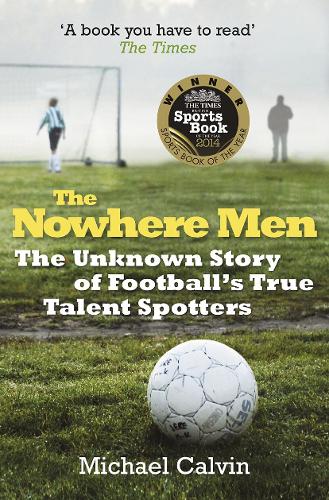
Credit: www.waterstones.com
Why Audio Beats Print
Listening to The Nowhere Men on Audible brings the scouts’ world alive. The narrator’s voice makes their journeys feel real. You hear the emotion in their stories—disappointment, excitement, and hope. For busy fans, audio fits into daily life: in the car, at the gym, or during a walk.
Audio highlights:
- Hear real quotes, not just read them.
- Experience the atmosphere of games and interviews.
- Easier for non-native English readers—clear pronunciation and pacing.
The audio version allows you to catch the tone and emotion in Calvin’s interviews. When a scout speaks about losing his job or seeing a player succeed, you feel the story. Audio also helps listeners who struggle with written English, letting them enjoy the book without stress.
If you want to multitask or learn on the go, audio is ideal.
Comparison: Scouting Vs Coaching
Calvin’s book also explains how scouts and coaches have different roles. Scouts spot talent, coaches develop it. Both face pressure, but scouts rarely get public credit. Coaches often work with players after scouts identify them, turning raw talent into top performers.
Yet, without scouts, coaches would have fewer choices.
| Aspect | Scouting | Coaching |
|---|---|---|
| Focus | Talent Identification | Player Development |
| Recognition | Low | High |
| Job Security | Unstable | More Stable |
Scouts build the foundation, while coaches build the house. Calvin’s book shows that teams need both, but scouting is often forgotten when clubs win trophies.

Credit: www.wsj.com
Elite Insights: What Beginners Miss
Most fans think scouting is just watching games. But Calvin shows it involves:
- Building relationships with players and their families.
- Navigating club politics and budgets.
- Balancing gut feeling with data analysis.
One non-obvious insight: Scouts often work alone, making decisions with little support. Another: Clubs ignore scouts’ advice at their own risk, sometimes losing future stars. Calvin’s book proves that scouting shapes team success more than fans realize. Scouts also spend time learning about a player’s off-field life, checking if they have problems that could affect their career. Another detail: scouts sometimes recommend players who fit a club’s style, not just the best athlete. This strategic thinking is what separates elite scouts from casual observers.
Key Takeaways
- scouting Is Essential For Finding Future Stars.
- the Nowhere Men Reveals The Emotional Side Of Scouting.
- audio Offers A Deeper, More Personal Experience.
- scouts Face Huge Pressure And Little Recognition.
- elite Clubs Depend On Smart Scouting For Long-term Success.
If you want to read more about football scouting history, visit Wikipedia.

Credit: www.amazon.com
Frequently Asked Questions
What Is The Nowhere Men About?
The Nowhere Men shares the real stories of football scouts, showing how they discover new talent and survive in a tough world. Calvin’s book covers not just football, but also themes of resilience, hope, and the importance of unseen work.
Who Should Read This Book?
Fans interested in behind-the-scenes soccer, coaches, scouts, and anyone who wants to understand how clubs find future stars. It’s also great for people who enjoy human stories and learning about how decisions shape careers.
Is The Audio Version Better For Non-native Speakers?
Yes. The audio version is clear, easy to follow, and brings the scouts’ stories to life for listeners who find English reading tough. The narrator’s pacing helps learners catch every detail and emotion, making it perfect for improving listening skills.
What’s The Biggest Challenge Scouts Face?
Job insecurity and lack of recognition. Scouts often work alone and are judged when players fail, not when they succeed. The book explains how scouts deal with stress, uncertainty, and sometimes unfair criticism from club owners and fans.
Can Scouting Change A Club’s Future?
Absolutely. A scout’s discovery can turn a small club into a top team, as seen with players like Jamie Vardy and Harry Kane. Calvin’s book proves that scouting is not just important—it’s vital for club growth and survival.
The Nowhere Men gives soccer fans a new respect for scouts. Their work is hidden, but without them, the stars we cheer for might never be found. This book reminds us that every goal, every win, starts with someone who saw potential where others did not.