Every four years, the world stops for football. In 2026, the FIFA World Cup will make history by expanding to 48 teams, hosted across three North American countries: the USA, Canada, and Mexico. This is the first time the tournament will be shared by three nations—and with 104 matches, 16 host cities, and millions of fans, the energy will be off the charts. As FIFA legend Pelé once said, “Football is the universal language.” The 2026 edition will prove that like never before.
Audible Premium Plus Promo
★★★★★
FREE
Your first audiobook is free —
keep it forever, even if you cancel.
Start a 30-day trial and pick any elite football biography, tactics deep-dive, or sports mindset book from 700,000+ titles. That book is yours to keep, zero strings attached.
Perfect for the gym & commute
Free book stays forever
Cancel anytime
Claim My FREE Audiobook
Secure · No commitment
Your first audiobook is free —
keep it forever, even if you cancel.
Start a 30-day trial and pick any elite football biography, tactics deep-dive, or sports mindset book from 700,000+ titles. That book is yours to keep, zero strings attached.
If you’re a football fan planning to follow the action, you need to know each host city’s unique vibe, stadium, and local flavor. Let’s break down all 16 cities, the stadiums, what to expect, and how to make the most of this once-in-a-lifetime global event.
1. Atlanta, Usa
Stadium: Mercedes-Benz Stadium
Capacity: 71,000
Atlanta is a sports capital in the South. The Mercedes-Benz Stadium is famous for its state-of-the-art retractable roof and 360-degree video board. The stadium’s architecture is striking—its roof opens in a spiral, letting in daylight and creating a dramatic atmosphere. The sound system is designed for big events, so every cheer will echo.
Expect a party in the streets—the city’s diverse food scene (don’t miss Southern BBQ) and music culture add extra flair. Atlanta has an active nightlife, with concerts and street festivals often happening around game days. Local neighborhoods like Midtown and Buckhead are packed with restaurants and bars.
Pro tip: Atlanta’s summer heat is real. Hydrate and arrive early for security checks. Also, wearing light clothing and a hat can help with the sun. Public transit (MARTA) connects the stadium to most downtown spots, making travel easier during busy match days.
2. Boston, Usa
Stadium: Gillette Stadium
Capacity: 65,878
Located in nearby Foxborough, Gillette is home to the New England Patriots. The stadium’s layout means good sightlines from almost every seat, and the atmosphere is family-friendly. Boston is rich in history, and fans can explore the Freedom Trail or enjoy fresh seafood before matches.
Try clam chowder or lobster rolls for a real taste.
Player analogy: Think of Boston as a tactical midfielder—organized, resilient, and always delivers. The city is easy to get around, and the locals are known for their strong sports spirit. Don’t be surprised to see fans proudly wearing team colors, even days before the match.
3. Dallas, Usa
Stadium: AT&T Stadium
Capacity: 80,000
Nicknamed “Jerry World,” AT&T Stadium is one of the biggest in the tournament. The giant video screen and climate-controlled environment offer a comfortable viewing experience. The stadium is also famous for its art installations and spacious concourses, so walking around is part of the experience.
Why visit: Dallas brings a mix of cowboy culture and modern skyscrapers. The city’s museums, like the Sixth Floor Museum, are worth checking out. BBQ is a must, especially brisket and ribs. For a unique treat, try Tex-Mex cuisine, which blends Mexican and Texan flavors.
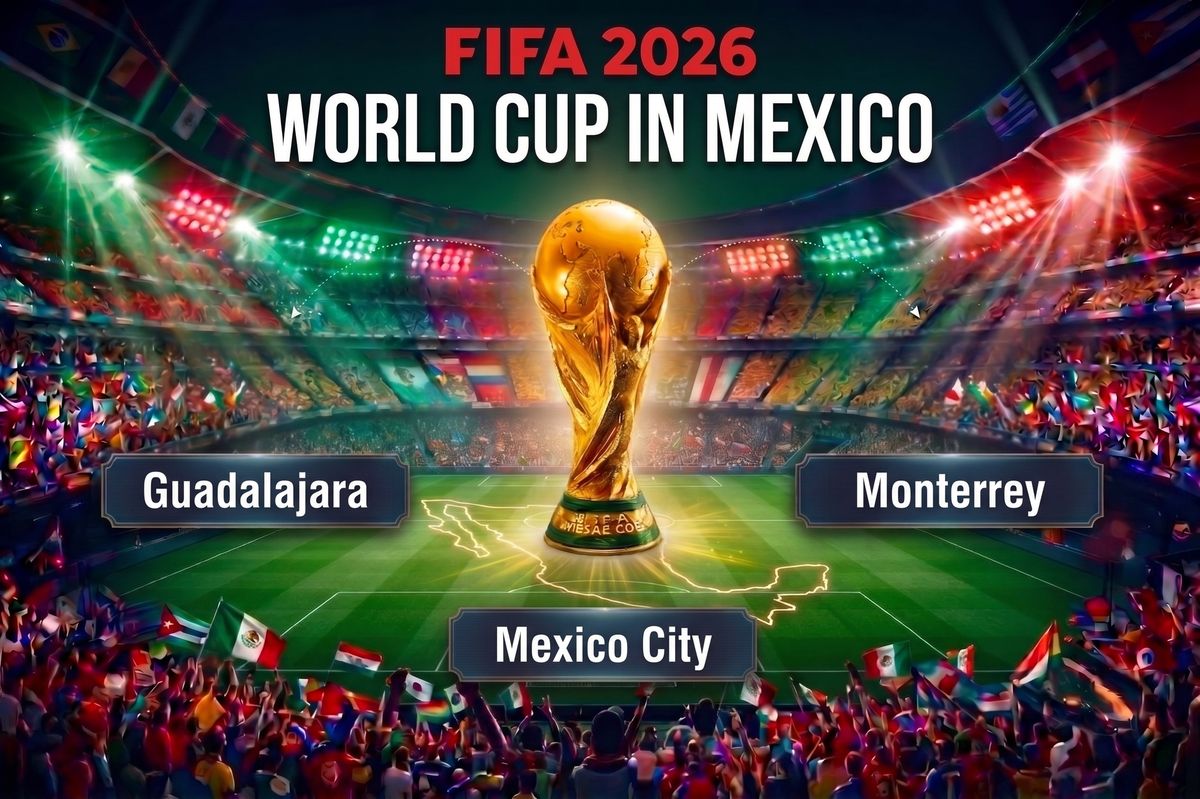
4. Guadalajara, Mexico
Stadium: Estadio Akron
Capacity: 48,071
Guadalajara’s Estadio Akron is the home of Chivas, a legendary club. The stadium’s design is inspired by volcanic shapes, and it’s surrounded by greenery. The city’s passionate fans and mariachi music create a lively matchday. Local supporters often bring drums and sing traditional songs that fill the air.
Stat box:
Away from the stadium, the city offers colonial architecture and bustling plazas. The local cuisine includes tortas ahogadas (drowned sandwiches) and tequila, which is produced nearby.

Credit: www.recharge.com
5. Houston, Usa
Stadium: NRG Stadium
Capacity: 72,220
Houston is a melting pot. The NRG Stadium’s retractable roof means you stay cool, even in the Texas sun. The stadium is also known for comfortable seating and easy access from downtown.
Try the city’s international cuisine—tacos, Vietnamese, and more. Houston’s food scene is broad, with influences from Latin America, Asia, and Africa. The city’s museums and parks are good for downtime between matches.
Key takeaway: Houston’s fan zones are some of the liveliest in the US. The Discovery Green area often hosts big screens, food trucks, and live music during major sports events.
6. Kansas City, Usa
Stadium: Arrowhead Stadium
Capacity: 76,416
Known for its roaring NFL crowds, Arrowhead will be one of the loudest venues. The stadium is famous for setting crowd noise records. Kansas City’s BBQ is legendary, with slow-smoked meats and tangy sauces. Restaurants like Joe’s Kansas City Bar-B-Que are favorites.
Downtown Power & Light District is party central for fans. It’s a walkable area with bars, clubs, and live entertainment. For something quieter, visit the Nelson-Atkins Museum of Art or take a stroll in the city’s parks.
Insight: Book accommodations early—hotels fill up quickly during big events. Consider staying outside the city center for more availability and better prices.
7. Los Angeles, Usa
Stadium: SoFi Stadium
Capacity: 70,240
SoFi is a modern marvel in Inglewood. It’s known for its roof, which lets in sunlight but keeps rain out. LA brings Hollywood glitz, beaches, and a massive international community. The stadium’s immersive tech makes every seat a good one, with giant screens and Wi-Fi everywhere.
The city offers everything from surfing to celebrity spotting. Neighborhoods like Venice Beach and Downtown LA are popular with visitors. Local food options include everything from sushi to taco stands.
Fan tip: Check out fan festivals near Santa Monica and downtown. These areas often host viewing parties, music events, and cultural exhibitions during the World Cup.
8. Mexico City, Mexico
Stadium: Estadio Azteca
Capacity: 87,523
The legendary Estadio Azteca is the only stadium to host three World Cup finals (1970, 1986, 2026). Diego Maradona’s “Hand of God” and Pelé’s 1970 triumphs happened here. The stadium’s atmosphere is electric, with fans waving giant flags and chanting.
Quote callout:
“azteca Is Football’s Cathedral.” — Andrés Guardado, Mexican International
Mexico City itself is vibrant, with ancient ruins, modern art, and street food everywhere. Try tacos al pastor or churros before or after the match.
9. Miami, Usa
Stadium: Hard Rock Stadium
Capacity: 65,326
Miami is known for its beaches and nightlife. The Hard Rock Stadium offers a tropical vibe and a diverse crowd. Latin American fans will feel at home, as Spanish is widely spoken and the city is full of Latin culture.
The stadium is close to popular areas like South Beach and Wynwood, which have art galleries and murals. The city’s weather is humid, so dress light and stay cool.
Practical advice: Don’t skip Cuban sandwiches and local seafood between matches. Cafecito (Cuban coffee) is a local tradition that helps beat the heat.
10. Monterrey, Mexico
Stadium: Estadio BBVA
Capacity: 53,500
Monterrey’s “Gigante de Acero” is modern and scenic, set against mountains. The stadium is recognized for its architecture and comfortable seating. The city is fiercely proud of its football culture, with rival clubs Tigres and Rayados adding to the excitement.
Local traditions include grilling meats outdoors and gathering with friends to watch games. The nightlife is active, with music and dancing common after matches.
Local secret: Monterrey’s grilled meats and craft beers are a must-try. “Cabrito” (roast goat) is a regional specialty.
11. New York/new Jersey, Usa
Stadium: MetLife Stadium
Capacity: 82,500
Located in East Rutherford, MetLife is a favorite for big events. NYC’s energy, sights, and food are world-class. This stadium is a top candidate for the World Cup final. The stadium is easy to reach from Manhattan by train or bus, and there are plenty of hotels nearby.
Comparison: Like a world-class striker—big, bold, and delivers under pressure. The surrounding area offers shopping, dining, and entertainment for visitors.
12. Philadelphia, Usa
Stadium: Lincoln Financial Field
Capacity: 69,176
“Philly” is famous for its passionate sports fans and cheesesteaks. The Lincoln is easy to reach by public transit, and the city’s history adds depth to your visit. Independence Hall and the Liberty Bell are close to the stadium.
The local fan culture is intense—expect loud cheering and plenty of team colors. Food markets and breweries add to the city’s charm.
Fan tip: Visit the Rocky Steps for an iconic photo before kickoff. It’s a tradition for sports fans visiting Philadelphia.
Credit: www.jetpacglobal.com
13. San Francisco Bay Area, Usa
Stadium: Levi’s Stadium
Capacity: 68,500
Located in Santa Clara, Levi’s Stadium is the tech hub’s football home. The stadium features eco-friendly design and rooftop gardens. The Bay Area offers beaches, wine country, and a global food scene. San Francisco’s Chinatown and Fisherman’s Wharf are popular with tourists.
Public transit connects most neighborhoods, but traffic can be heavy—plan your routes ahead.
Extra insight: Plan for variable weather—layers are your best friend. Even in summer, evenings can be cool and foggy.
14. Seattle, Usa
Stadium: Lumen Field
Capacity: 68,740
Seattle is famous for its loud crowds (the “12th man”), coffee culture, and stunning views. Lumen Field’s downtown location means easy access to the city’s best spots. The stadium’s roof covers most seats, protecting from rain.
Local coffee shops are everywhere—try a fresh brew before the game. The local fan tradition includes singing and waving scarves.
Local flavor: Don’t miss the fresh seafood at Pike Place Market. Salmon and oysters are local favorites.
15. Toronto, Canada
Stadium: BMO Field
Capacity: 45,736
Toronto is Canada’s largest city, with a global community. BMO Field sits on the waterfront, and the city’s multiculturalism creates an electric atmosphere. Toronto’s neighborhoods like Kensington Market and Queen Street offer shopping and dining from around the world.
The stadium is open-air, so weather can change quickly. Fans are friendly and welcoming, and city events often coincide with big games.
Pro tip: Use public transit—it’s efficient and connects you to all major neighborhoods. Consider purchasing a day pass for easy travel.
16. Vancouver, Canada
Stadium: BC Place
Capacity: 54,500
Vancouver’s BC Place is a domed stadium with mountain views. The city is green, walkable, and offers great food and outdoor adventure. The stadium’s roof lights up at night, creating a festive atmosphere.
Outdoor activities like hiking and biking are popular before and after matches. Local cuisine includes sushi and seafood.
Takeaway: The mild climate means comfortable matches, even in summer. Rain is common but rarely heavy.
—
Stadium Stats & Comparison
To help you compare, here’s a quick overview of all 16 host stadiums:
*The table above gives a snapshot of stadium features, but don’t just judge by size. Each venue’s atmosphere, food options, and local fan culture will shape your experience. For example, Arrowhead’s crowd is legendary for noise, while Estadio Azteca is all about history.
Stadiums like SoFi and Mercedes-Benz offer cutting-edge tech, making them especially exciting for younger fans and those who love immersive experiences. *
—
How Host Cities Were Chosen
FIFA looked at several factors for the 2026 host cities:
- Stadium quality: Modern facilities, capacity, and accessibility. Safety and comfort were top priorities, so only venues with proven track records made the list.
- Transport links: International airports, public transit, and highways. Cities with multiple travel options were favored to help fans move smoothly.
- Fan zones and culture: Ability to host large, safe celebrations. Cities with strong traditions of public events and vibrant neighborhoods stood out.
- Local support: Government and community enthusiasm. Cities that pledged support and showed passion for football had an edge.
Insider tip: Not all iconic US stadiums made the cut. Some, like Chicago’s Soldier Field, were left out due to logistics or funding issues. Another factor was weather—cities with extreme climates or less reliable transit were passed over.
Comparing The Three Nations
Each country brings its own strengths. Here’s a side-by-side look:
*USA’s stadiums are the largest and most modern, offering high-tech facilities and easy access. Canada’s cities are known for their friendly locals and multicultural experiences. Mexico’s venues are steeped in football history, with fans who turn every match into a festival.
If you want lively chanting and tradition, Mexico is your spot. For cutting-edge stadiums and massive crowds, head to the US. Canada is perfect for travelers seeking a welcoming atmosphere and beautiful landscapes. *
—
Top Tips For 2026 World Cup Travelers
- Book early: Hotels and flights will be snapped up quickly. If you plan to visit multiple cities, look for flexible tickets and consider alternatives like Airbnb.
- Understand distances: North America is vast. Some cities are several hours apart by flight. For example, traveling from Seattle to Miami could take over five hours.
- Explore local culture: Don’t just go to the matches—sample local food, festivals, and landmarks. Each city will host special events, so check local calendars.
- Stay safe: Use official transport, buy tickets from trusted sources, and stay aware in crowds. Keep valuables secure and follow local advice.
- Check weather: Conditions will vary—pack for heat, rain, or cool evenings, depending on the city. Some cities get summer storms, so a small umbrella can be handy.
*Extra tip:* Many cities offer city passes for tourists, giving discounts on attractions and transit. Look for these to save money and time.
Common Fan Mistakes To Avoid
don’t:
- underestimate Travel Time Between Cities.
- forget Travel Insurance (medical And Tickets).
- ignore Local Customs—respectful Cheering Goes A Long Way.
- Assume all stadiums accept cash—some are cashless, so bring a card.
- overpack—most Venues Have Strict Bag Policies.
do:
- double-check Match Schedules.
- Learn a few words in Spanish or French for Mexico and Canada.
- join Official Fan Zones For The Safest Experience.
- try Local Foods—each City Has Unique Dishes.
- check Out City Apps For Transit Updates And Event Info.
—
What Makes 2026 Unique?
- 48 teams will compete—making it the largest World Cup ever. More nations means more fans, more variety, and more chances to see underdog stories.
- Three hosts mean cross-border travel for fans. You might see a match in Canada, then fly to Mexico for the next round.
- First time since 1994 that the World Cup is in North America. Expect renewed excitement and bigger celebrations than ever.
- Final is expected to break attendance records. Some venues could host over 80,000 fans, creating unforgettable scenes.
*Another unique aspect: The expanded tournament means more group-stage matches, so fans have more chances to see their teams play. Many cities will host multiple games, so you can catch different teams and styles without long travel.*

Credit: www.amazon.com
Key Takeaways
- Plan your trip: Each city offers a unique experience—do your homework before booking.
- Get tickets early: Demand will be high, especially for knockout rounds.
- Experience more than football: Each host has its own culture, food, and attractions.
- Watch for special city events: Local festivals and concerts will happen alongside matches.
—
For more on the stadiums and history, check out the official FIFA World Cup 2026 Wikipedia page.
—
Frequently Asked Questions
What Are The Official 2026 World Cup Host Cities?
The 16 official host cities are: Atlanta, Boston, Dallas, Guadalajara, Houston, Kansas City, Los Angeles, Mexico City, Miami, Monterrey, New York/New Jersey, Philadelphia, San Francisco Bay Area, Seattle, Toronto, and Vancouver.
Which Stadium Will Host The World Cup Final?
FIFA has not officially confirmed, but MetLife Stadium (New York/New Jersey) and SoFi Stadium (Los Angeles) are leading candidates due to their size and facilities. Both have hosted major finals before and offer advanced amenities.
How Can I Buy World Cup Tickets?
Tickets will be available through FIFA’s official website. Sign up early for updates and avoid third-party resale sites to prevent scams. Some tickets may be released in waves, so keep checking for new opportunities.
What Is Special About The 2026 World Cup Format?
The 2026 tournament expands to 48 teams and 104 matches, with more group games and more knockout rounds compared to previous editions. This gives smaller nations a better chance to shine and fans more matches to attend.
How Do I Travel Between Host Cities?
Most US and Canadian cities require domestic flights. Mexico’s cities are closer together, often connected by short flights or high-speed buses. Plan ahead for visas and border crossings where needed. Always check for special World Cup shuttle services or travel packages.
—
The 2026 World Cup is set to be the most accessible and exciting ever. With three countries, 16 energetic cities, and more matches than ever, fans will experience football’s power to unite and inspire. Start planning, and get ready for a global celebration you’ll never forget.