How do world-class soccer stars like cristiano ronaldo keep their minds sharp under pressure? According to FIFA stats, the mental side of the game decides almost 70% of performance swings during big tournaments. Bob Rotella’s book, How Champions Think, explains how athletes shape winning mindsets—and why psychology matters as much as skill. This article breaks down Rotella’s core lessons, connects them with soccer, and shows you actionable ways to think like a champion.
Audible Premium Plus Promo
★★★★★
FREE
Your first audiobook is free —
keep it forever, even if you cancel.
Start a 30-day trial and pick any elite football biography, tactics deep-dive, or sports mindset book from 700,000+ titles. That book is yours to keep, zero strings attached.
Perfect for the gym & commute
Free book stays forever
Cancel anytime
Claim My FREE Audiobook
Secure · No commitment
Your first audiobook is free —
keep it forever, even if you cancel.
Start a 30-day trial and pick any elite football biography, tactics deep-dive, or sports mindset book from 700,000+ titles. That book is yours to keep, zero strings attached.
Key Chapters: Lessons For Soccer Players
Rotella’s book is built on stories from golf, basketball, and football, but its advice fits soccer perfectly. Below, you’ll see how each chapter’s insights play out on the pitch. Even if you’re not a superstar, these lessons can change your approach to training and competition.
Belief Is Everything
Rotella stresses that self-belief is the foundation of championship performance. He shares stories of athletes who won because they simply refused to doubt themselves.
In soccer, think of Lionel Messi. He’s scored in 8 consecutive Champions League matches—proof that confidence is not just talk, but fuel for consistency. Messi’s belief is visible in tight games, where he takes responsibility in big moments, often deciding the outcome.
Many young players lose confidence after a few mistakes. But champions act differently—they remind themselves of past successes, focus on their strengths, and trust their preparation. Even when the crowd is against them, they keep their mind clear and positive.
Key lesson:
- Champions trust their training and believe they’ll succeed, even after setbacks. This is not arrogance, but a deep inner trust built from hours of practice and overcoming previous obstacles.
Focus On Process, Not Outcome
Instead of obsessing about scores or trophies, Rotella urges athletes to focus on the process—the daily actions that build skill.
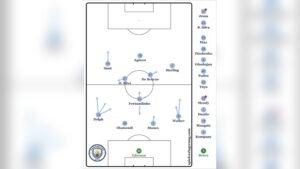
Soccer teams like Manchester City dominate because they stick to their game plan, regardless of the scoreline. They focus on passing, positioning, and teamwork in every phase, not just the final result.
Young players often worry about winning or losing, but the best players track their small improvements: was their passing sharper this week? Did they keep their concentration for the full match? For example, a defender may focus on clean tackles and good positioning, not just on stopping goals.
Pro tip:
- Track your passes, movement, and reactions, not just goals. Process mastery leads to winning results. Over time, these small habits add up to big achievements—much more than simply hoping for a win.
Bounce Back: Handling Failure
Rotella’s athletes treat failure as feedback, not defeat. He cites golfers who missed big shots but came back stronger.
In soccer, even legends like david beckham have missed penalties. Their secret? They learn, adapt, and stay positive. Beckham famously missed a crucial penalty in Euro 2004, but instead of quitting, he worked harder, improved his technique, and returned to top form.
Many players struggle with harsh criticism or social media pressure. Champions keep their focus on what they can control, using setbacks as motivation.
Do’s and don’ts:
| Do | Don’t |
|---|---|
| Analyze your mistakes | Blame teammates |
| Stay positive after losses | Dwell on missed chances |
| Set new goals | Ignore feedback |
Champions often keep a journal of mistakes and lessons after each match. This helps them spot patterns and avoid repeating errors.
Visualization: Mental Rehearsal
Rotella describes how champions use visualization before big moments. Soccer pros, like Megan Rapinoe, picture scoring or making the perfect pass.
Visualization is more than just daydreaming—it’s a mental workout. Research shows that visualizing a skill activates the same brain areas as physically performing it.
Before a match, players like Ronaldo and Rapinoe imagine themselves in pressure moments—taking a penalty, sprinting past a defender, or making a last-second save. This “practice in the mind” helps them stay calm when the real moment arrives.
How to apply:
- Before games, close your eyes and imagine yourself executing your best skills. Picture the crowd, the feeling, and the movements. The more details you include, the more your brain prepares for success.
Commitment And Sacrifice
Winning means making tough choices. Rotella talks about athletes who skip parties or stick to strict routines.
Soccer stars like N’Golo Kanté train extra hours—proof that commitment beats pure talent. Kanté is known for arriving early, practicing longer, and maintaining discipline off the pitch. His rise from lower leagues to World Cup winner came from daily sacrifice, not just talent.
Many young players want quick results but ignore the hard work champions do behind the scenes. True commitment means training when you’re tired, recovering properly, and saying “no” to distractions.
Actionable tip:
- Set a weekly schedule and stick to it, even when distractions come up. Ask yourself: What can I give up or improve to get closer to my goals?
Comparison: Champions Vs Average Players
Let’s see how Rotella’s ideas stack up against average athlete habits.
| Champion Mindset | Average Mindset |
|---|---|
| Focuses on improvement | Obsesses over mistakes |
| Uses setbacks to learn | Gives up after losses |
| Visualizes success | Relies on luck |
| Keeps routines | Gets distracted |
Champions also seek feedback from coaches and teammates, while average players often avoid criticism. This openness to learning speeds up improvement.
Why Audio Beats Print (for Sports Psychology)
Rotella’s book is available in print and audio. For athletes, audio versions can be more effective. You can listen during warmups, bus rides, or recovery sessions. Unlike reading, audio lets you absorb ideas while your body is active—perfect for busy training schedules.
Data insight:
- According to recent studies, audio learning boosts memory by 18% compared to reading alone. That means what you hear, you’re more likely to remember when under pressure.
Soccer example:
- Many pro teams use audio training for mental exercises, especially before high-pressure matches. Some clubs play short audio guides in the locker room to help players focus and relax.
If you want to learn more, check Audible’s official page for Rotella’s book.
Key Takeaways Box
winning Mindsets In Soccer:
- belief Drives Performance
- focus On Process, Not Just Outcome
- learn From Setbacks
- use Mental Rehearsal
- commitment Outperforms Raw Talent

Credit: www.amazon.ae
Actionable Soccer Tips Inspired By Rotella
- Practice confidence: Say positive phrases before every game. For example, “I’m ready” or “I trust my skills.”
- Master routines: Create a pre-match checklist—boots, water, tactical notes. This keeps you focused and calm.
- Visualize key moments: Picture scoring or saving a goal. Do this daily, not just before big matches.
- Review and reset: After every game, write down what went well and what to improve. This builds a growth mindset.
- Stay committed: Set training times and stick to them, even on tough days. Make discipline a habit, not a one-time effort.
Small habits like these can create big changes over months and years. Even pros return to basics regularly to stay sharp.
Real World Soccer Examples
- Cristiano Ronaldo: Known for strict routines and visualization. He says, “I see myself scoring before I step onto the field.” Ronaldo also reviews his matches on video, searching for small areas to improve.
- Megan Rapinoe: Uses mental rehearsal for penalty kicks. She prepares by imagining the run-up, the contact with the ball, and the celebration.
- N’Golo Kanté: Spends extra hours perfecting his skills, not just relying on talent. His humility and work ethic inspire teammates to do the same.
These stars use Rotella’s ideas daily—not just when things go well, but especially when facing setbacks or criticism.
Credit: sobrief.com
Common Mistakes Soccer Players Make
| Mistake | Why It Hurts |
|---|---|
| Blaming teammates | Destroys team trust |
| Ignoring feedback | Limits growth |
| Skipping routines | Leads to inconsistency |
| Doubting skills | Reduces confidence |
Another mistake is expecting instant results. Champions know that mental strength, like physical skill, grows with patience and repetition.
Frequently Asked Questions
What Is The Main Idea Of “how Champions Think”?
Rotella shows that mindset is the biggest factor in athletic success. Champions build belief, focus on improvement, and handle setbacks with resilience. Mindset shapes how you train, compete, and recover from mistakes.
How Can A Soccer Player Use Mental Rehearsal?
Picture yourself making key plays—scoring, passing, tackling—before games. This builds confidence and prepares your brain for action. Start with short sessions and add more detail as you get comfortable.
Is Audio Learning Effective For Athletes?
Yes. Audio boosts memory and lets players train mental skills anywhere—during travel, warmups, or recovery. It also makes it easier to revisit key lessons without sitting down to read.
What’s The Biggest Mistake Players Make After Losing?
Dwelling on mistakes or blaming others. Instead, analyze what happened, learn, and set new goals. Champions use losses as fuel for their next performance.
Can Average Players Become Champions With Rotella’s Advice?
Definitely. With commitment, positive routines, and belief, any player can improve their mental game and performance. The journey starts with small changes in thinking and daily habits.
Rotella’s lessons aren’t just for elite athletes. Anyone can train their mind to think like a champion. For soccer, the right mindset turns pressure into opportunity—every match, every moment.
Credit: medium.com